Navigating the Digital Skies: An Expert Guide to Renting Your First VPS
.jpg)
The Threshold of Growth: Why You Need a VPS
Imagine you’ve been running a cozy little bakery (your website) on a shared kitchen counter. It worked for a while, but now the crowd is huge, and you’re bumping elbows with other bakers. This is the moment you realize you need your own dedicated space—not a whole building yet, but your own private, locked station. That is exactly what a VPS (Virtual Private Server) is. Unlike shared hosting, where you share resources with hundreds of neighbors, a VPS gives you a guaranteed slice of the server’s heart. You are in control here, and that responsibility is both empowering and daunting. As you stand at this digital crossroads, remember that your choice today dictates how smoothly your project will breathe under pressure tomorrow.
Argument Comparison:
- Shared Hosting: Low cost, but zero privacy and unpredictable performance.
- VPS: Higher control and dedicated resources, but requires technical "housekeeping."
Decoding the Hardware: What Are You Actually Paying For?
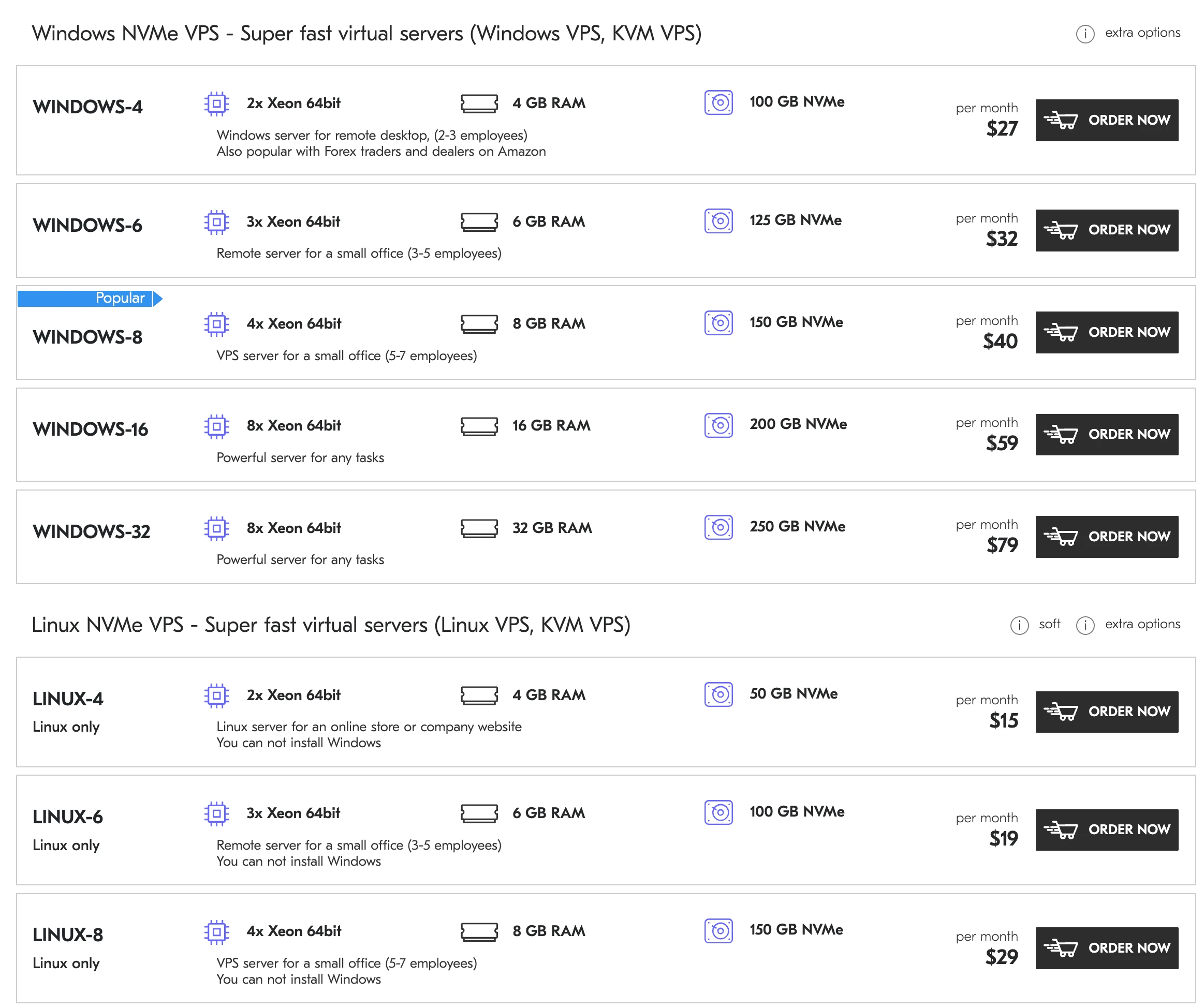
When you start browsing provider websites, the wall of acronyms can be overwhelming. CPU, RAM, NVMe—it sounds like a robot's grocery list. Let’s break it down into something you can relate to. The CPU is the brain; the more cores you have, the more tasks your server can "think" about simultaneously. RAM is the short-term memory; if it’s too low, your site will stutter and stall like a car running out of gas. Then there is storage. In 2026, you should settle for nothing less than NVMe SSDs. Think of it like the difference between searching for a book in a messy basement (HDD) versus having it pop up instantly on a tablet (NVMe). You must match these specs to your specific traffic needs, or you’ll find yourself paying for power you never use.

Argument Comparison:
- Budget Specs: Saves money monthly but risks downtime during marketing campaigns.
- Over-Provisioning: Guaranteed stability but creates "ghost costs" that eat your ROI.
The Financial Landscape: Calculating the True Cost in Dollars
Let’s talk about the wallet. Renting a VPS isn't just about that shiny sticker price of $5.99. You need to look at the "hidden" ecosystem of costs. A basic, reliable VPS in the US or Europe typically ranges from $10 to $45 per month. However, if you are running a heavy-duty database or a high-load app, prices can scale up to $150+. Then, consider the licenses. Are you a fan of Windows? That’s an extra $15–$50 for the license. Do you want a control panel like cPanel? Tack on another $20. You should also account for automated backups; skipping this is like driving without insurance—it’s fine until the moment it really isn't. When you calculate your budget, always add a 20% "safety buffer" for these essential add-ons.
Argument Comparison:
- Unmanaged VPS ($5–$20): Cheapest option, but you do all the work.
- Managed VPS (https://deltahost.ua/vps.html) ($50–$150): Expensive, but the provider acts as your 24/7 IT department.
Choosing Your Path: Projects and Their Personalities
Every digital project has a soul, and you must choose a home that fits its personality. A simple WordPress blog with 10,000 monthly visitors is like a quiet tenant—it only needs a small studio apartment (1 CPU, 2GB RAM). But what if you’re building a Fintech app or an E-commerce store? Suddenly, you have "guests" (transactions) coming in at all hours. You need high security and massive throughput. For developers, a VPS is a playground—a "sandbox" where you can break things, reinstall the OS in seconds, and test Docker containers. If your project is local to Eastern Europe, for instance, you will find that latency matters more than raw power. A server in Kyiv will always respond faster to a user in Lviv than a server in California would.
Argument Comparison:
- Generic Global Cloud: Great scale, but often lacks "human" support and local speed.
- Local Specialized Hosting: Slightly less "prestige," but offers localized peering and 1ms latency.
The Skill Gap: Do You Have the Keys to the Engine?
Here is the part where you must be honest with yourself. Working with a VPS is not like using a Mac or Windows desktop. Most of the time, it’s a black screen with a blinking white cursor—the Linux CLI. Do you know how to SSH into your box? Can you configure an Nginx server or set up a firewall using UFW? If these terms sound like ancient Greek to you, you have two choices: spend a few weeks on YouTube tutorials or opt for a "Managed" plan. Managing a server is a continuous task; it’s about security patches, monitoring logs, and ensuring your SSL certificates don't expire. You are the captain of this ship, and if you don't know how to read the stars, you might find your project adrift.
Argument Comparison:
- Self-Management: Maximum learning and zero extra fees, but high risk of "human error."
- Professional Administration: Peace of mind and security, but costs $15–$50 per hour of work.
The Local Advantage: Ukrainian Providers to Watch
If your heart (or your business) is in Ukraine, you have access to some world-class infrastructure that competes directly with Western giants. Companies like Deltahost, Zomro, and CityHost have spent years perfecting their hardware stacks. For example, Deltahost offers a fantastic bridge between Ukrainian reliability and international reach, with data centers in the Netherlands and the USA as well. These companies understand the local market, offer support in your native language, and—crucially—allow you to pay through local banking systems. When you choose a local provider, you aren't just renting a server; you're gaining a partner that understands your regulatory environment and network topography.
Argument Comparison:
- International Giants (AWS/DigitalOcean): Infinite scalability, but billing is complex and support is impersonal.
- Ukrainian Providers: Personal touch, local payment methods, and excellent regional performance.
Conclusion: Your Roadmap to a Successful Deployment
In the end, renting a VPS is a rite of passage for anyone serious about their online presence. It is a justified investment because it gives you the stability and "room to grow" that shared hosting simply cannot provide. As you move forward, I advise you to focus on three pillars: I/O Speed (NVMe), Support Responsiveness, and Scalability.
Don't just look for the cheapest price; look for the provider that answers your support ticket in 15 minutes, because when your site goes down at 3 AM, that responsiveness is worth more than any discount. You deserve a server that works as hard as you do. I wish you the best of luck in your choice—may your pings be low, your uptime be 99.9%, and your project flourish in its new virtual home. Choose wisely, stay curious, and enjoy the power of having your own piece of the cloud!
Alexey Volkov, Senior Systems Architect & Technical WriterWith 12 years of experience in infrastructure management and cross-platform development