Navigating the Nuance: Why Localized Intelligence is the Non-Negotiable Key to Europe’s 2026 Market
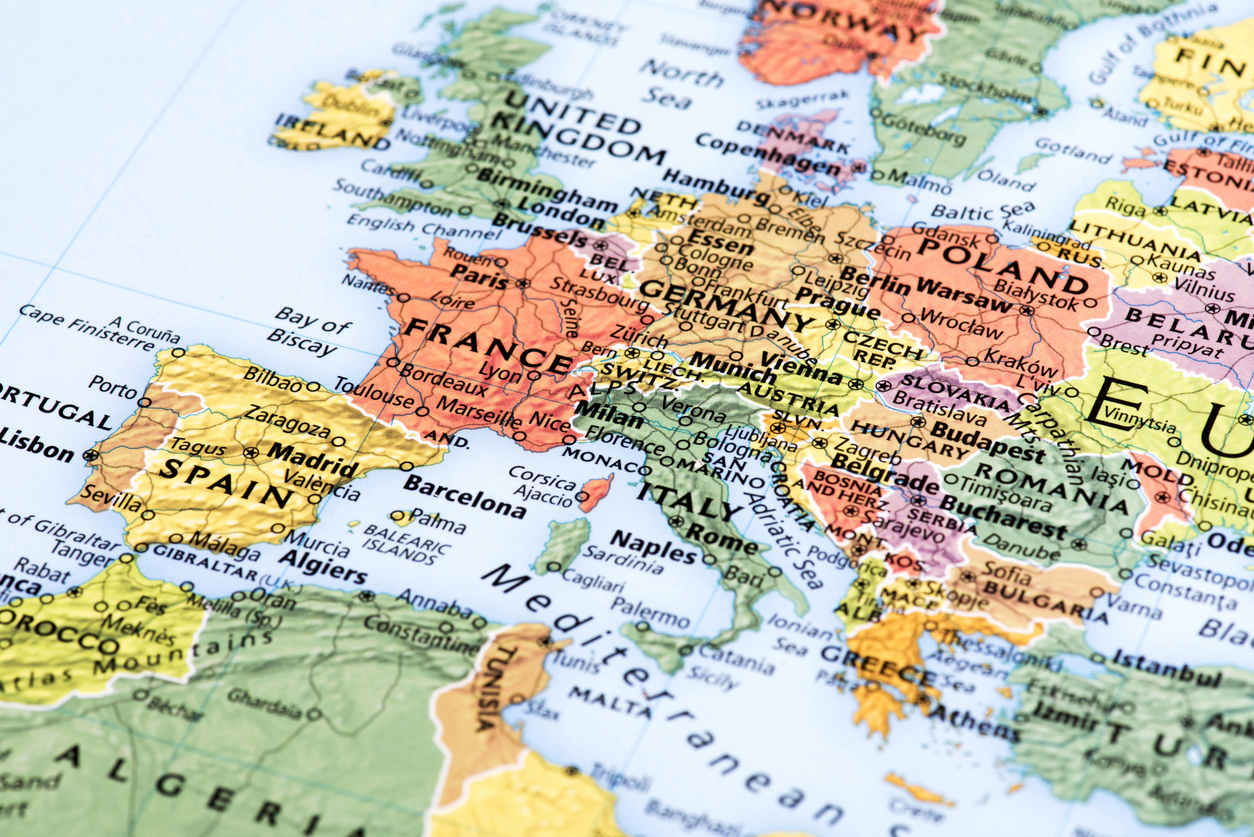
Picture this: you're sitting in a boardroom in London, planning your European expansion strategy for 2026. Someone pulls out a generic market report covering "Europe" as if it's one big, homogeneous market. If this scenario sounds familiar, we need to talk.
The Myth of "One Size Fits All" European Strategy
Here's the thing about Europe - it's not actually one market. I know, shocking revelation, right? But you'd be surprised how many businesses still treat it like it is.
Take consumer behavior around sustainability. German consumers might prioritize eco-certifications when making purchasing decisions, while Italian shoppers focus more on local sourcing and traditional craftsmanship. Both care about the environment, but they express it differently. Miss these distinctions, and your 2026 strategy could fall pretty flat.
The truth is, what works in Stockholm might completely bomb Seville. And that's not even getting into the regulatory differences, cultural preferences, or economic variations between regions.
Why 2026 Makes This Even More Critical
By 2026, European markets will be more interconnected yet paradoxically more distinct than ever. Digital platforms are breaking down barriers, sure, but they're also amplifying local preferences and creating micro-communities around specific values and behaviors.
Gen Z consumers, who'll be hitting their prime spending years, expect brands to "get" their local context. They can smell generic, one-size-fits-all approaches from miles away. Plus, with increasing regulatory complexity around data privacy, sustainability reporting, and digital services, the cost of getting local markets wrong has never been higher.
What Localized Intelligence Actually Looks Like
This part's a bit tricky, but localized intelligence goes way beyond basic demographic data or surface-level cultural observations.
Real localized intelligence means understanding the unspoken rules of each market. Why do Dutch consumers respond better to direct, no-nonsense messaging while French audiences prefer more sophisticated, emotionally-driven content? How do purchasing decisions differ between urban millennials in Berlin versus their counterparts in rural Bavaria?
It's about grasping the timing too. When do people in different regions actually make buying decisions? What local events, seasons, or cultural moments influence behavior in ways that don't show up in standard market reports?
The Cost of Getting It Wrong
Ever noticed how some global brands just feel off in certain countries? That's usually what happens when companies skip the localized intelligence step.
One major retailer learned this the hard way when they assumed their successful UK pricing strategy would work across Western Europe. Turns out, the psychological pricing points that drove conversions in Manchester had the opposite effect in Milan. By the time they figured it out, they'd burned through months of marketing budget and damaged their brand perception in key markets.
The financial impact goes beyond immediate sales too. Recovery from a botched market entry can take years, especially in Europe where word-of-mouth and reputation carry serious weight.
Building Your Intelligence Network
So how do you actually get this localized intelligence? Start by working with a market research firm with offices in Europe that understands these regional differences from the ground up.
But don't stop there. Build relationships with local partners, distributors, and even competitors who understand their markets intimately. Pay attention to local media, social conversations, and cultural trends that might not make international headlines but shape consumer behavior.
The companies that will dominate European markets in 2026 are the ones building these intelligence networks now. They're not waiting until six months before launch to figure out what makes each market tick.
Look, European expansion doesn't have to be overwhelming. But it does require respect for local differences and the intelligence systems to understand them. The businesses that master this approach won't just survive in Europe's 2026 market - they'll own it.