Price A Script Change By What Needs Reshooting

“Could we change the last sentence?” sounds like a small request. If the sentence is a voiceover, it may be. If a presenter delivers it on camera beside a product that has since changed, the same request can reopen filming, set preparation, and several matching shots. The number of altered words tells the commissioner very little.
A better review starts with the physical consequences of the proposed edit. Identify what the audience would see or hear differently, then determine what material is available to support it. Laper can help keep the screenplay and its planning context together. It is not a budgeting system, and it cannot tell a producer what a new shoot will actually cost.
Distinguish A Text Edit From A New Filming Requirement
Consider a product film that has already been shot in a workshop. The closing line names the person who handles a request. The company now wants the line to name a different role. Before approving a rewrite, establish how that information appears. It may be spoken off camera, printed on a visible card, or delivered directly to camera by the presenter.
Those versions create different jobs. A voiceover change needs a new recording and an edit. A printed card may require a replacement insert. An on-camera line may require the presenter and setting to be available again. None is automatically cheap or expensive. The point is to identify the work before treating the sentence as a unit of effort.
Ask the editor what is already available. An alternate take, a clean product close-up, or an existing pause may make the change possible without a new shoot. That is an editorial option to inspect, not a promise to make in advance. If the footage cannot carry the new meaning honestly, a clever cut is not a satisfactory substitute.
Timing changes the decision. Before the workshop shoot, replacing a role name might require a revised prompt card and a brief check with the presenter. After the set has been cleared, the same correction may depend on bringing people and equipment back. Make the approval deadline explicit while the original shoot is being planned. That deadline should identify when this scene becomes harder to change, rather than imply that every later correction will attract the same fee.
Within AI Screenwriting Software, mark the proposed change against the actual scene rather than circulating an isolated replacement line. The surrounding action may be what makes the request costly. If the presenter turns towards a machine while speaking, the team must consider whether the existing movement can still connect to the revised words.
Trace The Change Into Adjacent Shots First
The revised line may be only the first dependency. A new role name could contradict an earlier screen, a visible badge, or a later call to action. A change from one product version to another may affect the object in several shots. Review the sequence on both sides of the edit before deciding that a single replacement shot will be sufficient.
Make the dependency note concrete. “New card insert, check the wide shot for the old card, and rerecord the final phrase” tells a producer what to investigate. “Update messaging throughout” does not. A short description of affected material is more useful than a long discussion of why the new wording sounds better.
In Laper, locations are derived from screenplay headings and can be enriched with scouting information. Use that distinction when a rewrite changes where an action happens. The script identifies the required setting; production notes establish what can actually be used. Renaming the location in the draft does not reserve it or restore access to a workshop the crew has already left.
Props and wardrobe deserve the same attention. If the pickup uses an object in a different state, the surrounding footage may no longer match. Before requesting a return visit, inspect what must be reproduced and what can legitimately change between shots. Some differences can be explained by the sequence. Others will make the edit visibly discontinuous.
Compare A Pickup With An Honest Editorial Alternative
A pickup is not the only option. If the spoken line remains accurate, the team might update only an accompanying graphic. Otherwise, it could replace the closing section with a voiceover over relevant footage, or omit a claim the film no longer needs. Each option changes the viewer's experience. Compare those changes as well as the production effort.
Do not let the easiest option broaden the claim. A general line about support may avoid naming a role, but it can also suggest a service the company does not provide. An edit that hides the old product behind a graphic may leave viewers believing they saw the new version. The production shortcut must remain accurate about the thing being shown.
When AI script writing software proposes alternatives, constrain the request to the footage and facts the team has confirmed. “Rewrite this closing using the existing product close-up and an off-camera line” is a useful starting brief. Review the result with the editor before assuming that the proposed transition will work in the actual cut.
There are times when the new shoot is the better choice. A presenter may need to demonstrate a changed action, or the correction may affect the film's central promise. In those cases, disguising the problem can create more work than replacing the sequence properly. The commissioner needs a clear explanation of what the pickup establishes that the available footage cannot.
Approve The Consequences Alongside The New Words
Once the team chooses an option, record the wording and the associated production requirements together. Approval of the sentence should not be mistaken for approval of an unpriced return shoot. The producer can identify who needs to provide an estimate, which availability is unconfirmed, and which existing material will remain in use.
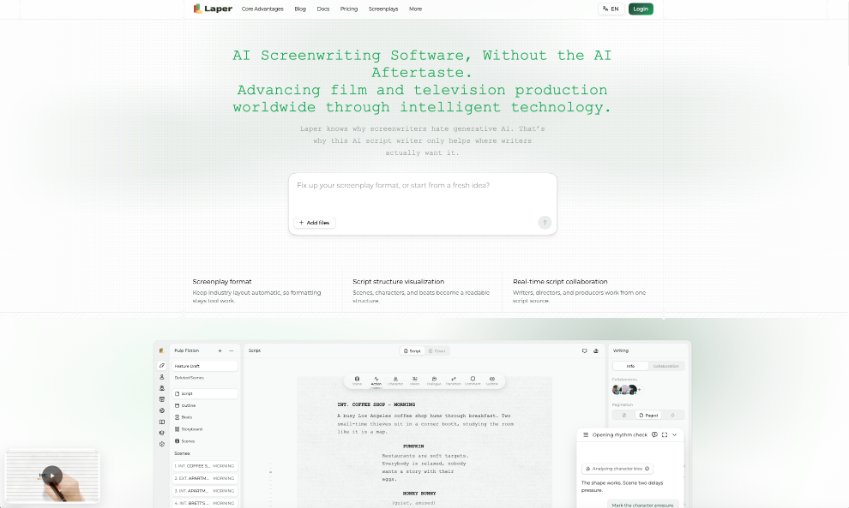
Use Laper's review comments for the discussion and preserve a version checkpoint before a substantial revision. Comments explain why the change is being considered; the checkpoint keeps the earlier script available for comparison. Neither replaces the production estimate or the commissioner's approval process. They give those conversations a specific draft to refer to.
After the pickup or editorial change, inspect the whole relevant sequence. A corrected line can still be surrounded by an obsolete caption or an earlier claim that no longer agrees with it. This check belongs after the work, when the actual combination of sound and picture is visible. A script review alone cannot certify the finished edit.
Hand the commissioner a specific choice: approve a pickup once the presenter and room are confirmed, approve the voiceover alternative after seeing a rough edit, or retain the accurate original. Attach the estimate and any unresolved availability to that choice. A general approval to improve the ending leaves too much of the work unstated.
The next time someone asks for one more line change, keep the conversation on the proposed film. A few words may need only a new recording, or they may require a room to be rebuilt. Price and approve the actual work. The sentence is where the request starts, not where its consequences necessarily end.