Questions to Ask Before Hiring a Groundworks Contractor
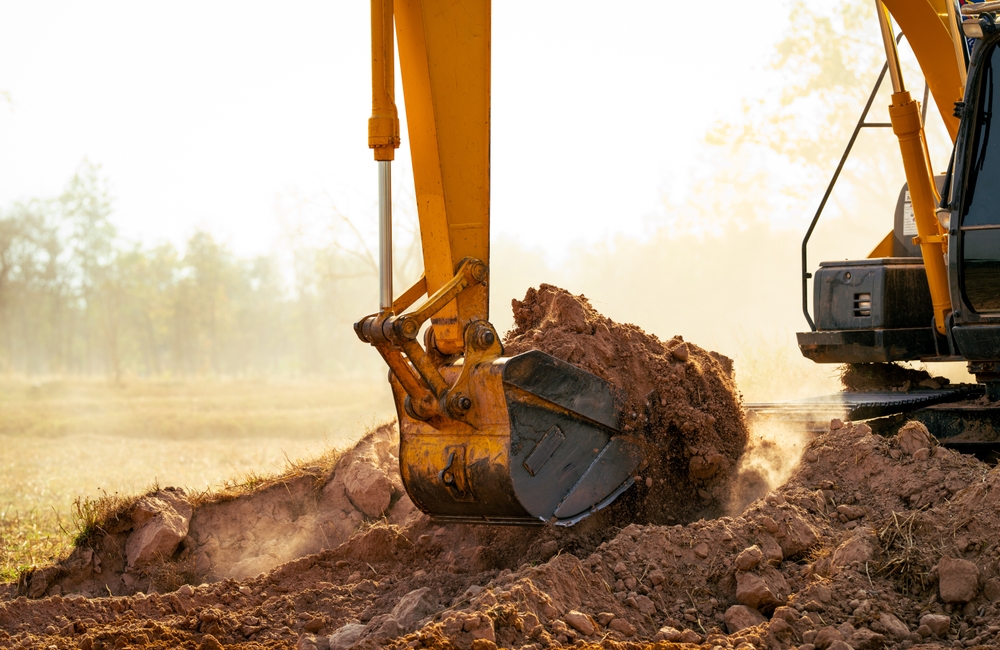
Groundworks are the one part of a building project you never see again once the concrete goes in. A mistake at this stage sits under the structure, and putting it right costs far more than getting it right. The questions below help you tell whether a contractor has priced the ground or just the machine time.
What does the price actually include?
Most construction and groundworks quotes look similar on the first page. The differences sit in what's excluded. Ask whether the figure covers site clearance and the removal of excavated material, because muck away is often priced per load. A clay-heavy site can mean several extra lorry loads on a bill that looked fixed. Find out whether the quote includes the paperwork and disposal costs, or whether those sit outside the figure and become yours to settle.
Ask about minimum charges too. Some quotes carry a minimum hire period for the machine and operator, so a half-day problem bills as a full one.
Groundworks slip when weather turns or access is tight. A job priced as a fixed sum can quietly convert to daily charging, so get the day rate in writing before work starts. Knowing it in advance changes what you're committed to.
How will they find what's buried?
Ask how the contractor identifies buried services before any machine digs, and who carries out that work. The answer should name qualified professionals and show how the information they gather is recorded, shared with the crew and managed through the excavation. A contractor who treats buried-services data as a live document, updated as the site opens up, is easier to trust with a dig.
On older plots, ask whether they'll dig trial holes first. A hand-dug inspection hole confirms what the scanner suggests before a bucket goes near a live run.
A strike on a live cable stops the job. Repair costs often fall on the party who dug, so ask who carries that cost if something is hit despite a scan. A contractor who has priced that risk into the job will give you a figure. One who hasn't will hedge.
What happens when the ground isn't what was expected?
No site is fully known until it's opened up. Running sand or a high water table can change the foundation the structural engineer specified. Buried obstructions from an older structure can do the same. Ask what ground information the contractor wants before pricing, and whether they'll work from a ground investigation report where one exists.
Ask how extras are valued. Some contractors reprice the whole job when conditions change. Others work to pre-agreed rates for extra excavation or additional concrete. Pre-agreed rates favour you, because the cost of a surprise gets set before anyone knows there's a surprise.
Ask who authorises the change as well. Extra work should be signed off by you before it's dug. An invoice after the fact is too late.
Who's on site each day?
Ask who physically manages the site daily, and whether the same crew stays from clearance through to handover. A contractor who subcontracts the dig to one gang and the drainage to another creates gaps where nobody owns the problem.
Where below-ground work meets the build is where those gaps show up. Ask who coordinates the excavation and drainage with the trades that follow, and whether one contractor or several will be involved. When comparing quotes, ask R&C Groundworks who would manage that handover on your site.
Who coordinates drainage with the foundations?
Drainage and foundations get built in the same window, often along the same trench lines. Ask how foul and surface water runs are sequenced against the foundation pour. Poor coordination leaves pipes crossing under footings in ways the structural engineer never allowed for, and the fix usually means breaking out new concrete.
If the project needs stormwater storage, ask where the attenuation tank sits and who sizes it. Ask when the drains get tested too. A test before backfilling proves the run while it's still cheap to put right.
Ask what you receive at handover as well. As-built drainage positions and photos taken before covering matter when the next trade drills or digs.
Can they prove insurance?
Public liability insurance is the floor for any contractor you let on site. Heavy excavation near boundaries and neighbouring property carries third-party risk, and a contractor without cover shifts that risk onto your project. Ask for the certificate itself, and check the cover level against the value of whatever sits near the dig.
Ask how safety gets documented on site. A written method statement for the excavation shows the risks have been thought through before the machine arrives. Membership of a recognised trade body adds a further check, and gives you somewhere to take a dispute.
None of this needs technical knowledge to ask. It needs asking before the digger arrives, while the answers can still change who gets the job. A contractor who comes back with rates, certificates and a method statement has done the pricing work. One who comes back only with reassurance hasn't.