7 Commercial Restroom Cleaning Mistakes That Trigger Tenant Complaints
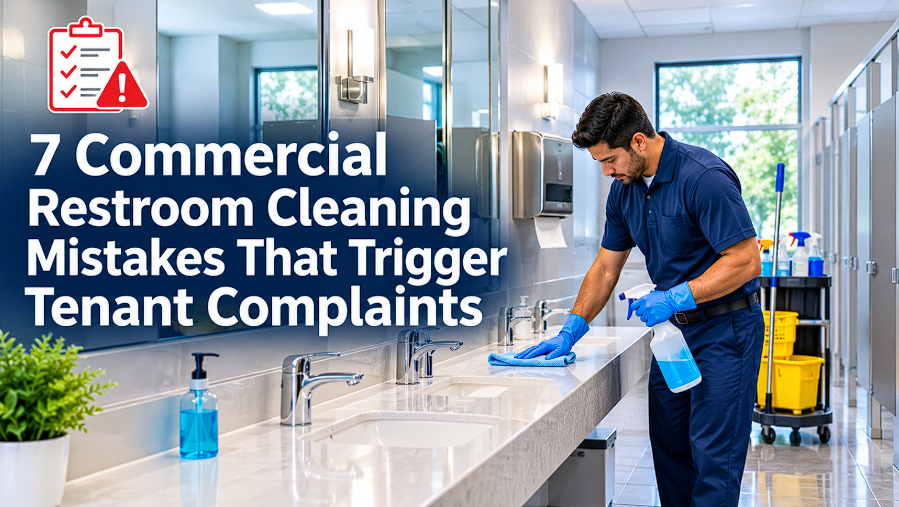
Ask property managers where most cleaning complaints come from, and restrooms are usually near the top of the list. They may get cleaned every day, but tenants still find reasons to complain. Companies providing professional office cleaning in Austin often find that the issue is not poor effort. The cleaning schedule, task list, and missed details are usually the problem.
Here are seven common mistakes that can lead to complaints.
1. Cleaning Restrooms Only Once a Day
Cleaning a restroom once at night may not be enough for a busy building.
By the middle of the next workday, floors may be wet, counters messy, and supplies running low. The restroom can look dirty even though the cleaning crew did its job the night before.
A short visit around midday can help. Staff can check the floors, wipe counters, and refill supplies before small problems turn into complaints.
2. Leaving Restroom Supplies Out of the Cleaning Scope
Few things annoy restroom users more than finding an empty soap or paper dispenser.
This often happens because the cleaning agreement does not clearly say who handles supplies. The property manager may expect the cleaning company to restock them, while the cleaning company assumes the client provides them. To avoid this scenario, the cleaning company and the property manager should create a commercial cleaning contract.
Put these duties in writing. State who checks the dispensers, how often they are checked, and who orders more supplies.
Without clear instructions, empty dispensers can stay that way for days.
3. Skipping Grout and Partitions During Restroom Cleaning
Cleaning crews usually focus on toilets, sinks, and mirrors. Grout and partitions can get less attention, even though people notice them.
Dirty grout makes the whole floor look old. Marks on partition panels can also make a restroom appear poorly maintained.
- Floor grout. It absorbs moisture and can become darker with regular use.
- Partition panels. People touch these throughout the day, but they are easy to miss during cleaning.
- Partition feet and hinges. Dirt and residue collect around these parts, especially near the floor.
Add these areas to a weekly or monthly cleaning schedule. They do not need the same attention every day, but they should not be ignored.
4. Mopping Without Addressing the Restroom Floor Properly
A quick mop does not always remove the dirt from a restroom floor. Sometimes it spreads dirty water across the surface.
Restroom floors stay damp throughout the day. Moisture carries dirt into grout lines, corners, and gaps around fixtures. If the mop water is already dirty, it can leave even more residue behind.
The floor may look clean while it is wet. Once it dries, dark marks and stains can still show.
Daily mopping should be part of the routine, but it cannot replace deeper floor cleaning. The same approach used in routine commercial floor care is useful for restroom floors.
A practical schedule can look like this:
- Daily. Mop with clean water and change it between restrooms.
- Weekly. Clean corners, floor edges, and areas around fixture bases.
- Monthly. Use a floor machine to remove buildup from grout lines.
- Quarterly. Arrange deep extraction and resealing where the floor needs it.
5. Missing High-Touch Restroom Surfaces
Cleaning a restroom does not mean wiping only the surfaces that look dirty. Some areas get touched many times a day but are easy to overlook.
- Door push plates and pull handles. People touch them when entering and leaving.
- Dispenser levers and buttons. Almost every restroom user handles these.
- Partition latches. Users touch them during each visit.
- Light switches. These are sometimes left out of the restroom cleaning list.
Add each surface to the daily checklist. Workers should not have to remember every small detail while moving between rooms.
A written list makes it easier to check that these areas are cleaned every day.
6. Masking Restroom Odor Instead of Cleaning Its Source
Spraying air freshener may make a restroom smell better for a short time. It does not remove the source of a bad smell.
In many cases, the odor comes from dry floor drains, dirt behind fixtures, or grout that has absorbed moisture and residue.
Dry floor drains are usually easy to deal with. Pouring water into them regularly can help keep the trap sealed and stop sewer odors from coming through.
The other areas need proper cleaning. Adding more fragrance will not solve the problem.
7. Having No Way to Report a Restroom Problem
Tenants need a clear way to report cleaning problems. In many buildings, there is no named person or contact for these complaints.
People end up discussing the issue with coworkers instead of reporting it to someone who can arrange a fix. The same problem may continue for days.
Set up two clear contacts: one person on the property management side and one at the cleaning company.
Some buildings also keep a small cleaning log inside the restroom. Tenants can use it to report an empty dispenser, wet floor, or other problem.
Whatever method you choose, make sure tenants and staff know how to use it.
How to Audit Your Restroom Cleaning Scope
Take a few minutes to check your current cleaning agreement. Look for clear answers to these questions:
- How many times each day are the restrooms cleaned?
- Who checks and refills restroom supplies?
- Are grout and partitions included in the cleaning schedule?
- Does the contract include machine scrubbing, or only regular mopping?
- Are dispensers, door handles, latches, and push plates on the cleaning list?
- Who should tenants contact when they find a problem?
If the agreement does not answer these questions, your cleaning plan may have gaps.
Conclusion: Restroom Cleaning Problems Are Scope Problems
Most restroom complaints do not happen because cleaning staff refuse to do their jobs. They often happen because the cleaning plan leaves out important tasks.
A single nightly visit may not suit a busy building. Supplies may not have a named person responsible for them. Grout, partitions, and high-touch areas may also be missing from the checklist.
Reviewing the contract and setting a clear schedule can prevent many of these problems. A midday visit and regular deep cleaning may add some cost, but they can save property managers from dealing with the same tenant complaints every week.
Commercial Restroom Cleaning FAQs
How often should commercial restrooms be cleaned?
Daily cleaning is the minimum for most commercial restrooms. Busy offices and public buildings may need another visit during the day to check floors, clean counters, and refill supplies. The schedule should depend on how many people use the restroom.
Why do restrooms still smell after cleaning?
The smell may come from dry floor drains, dirt behind fixtures, or residue in the grout. Air freshener only covers the odor. Adding water to floor drains regularly can help seal the trap, while the other areas need proper cleaning.
What restroom surfaces get missed most often?
Door push plates, dispenser levers, partition latches, and light switches are common examples. People touch these surfaces throughout the day, but they may not look dirty. Adding them to the daily checklist helps make sure they are not missed.
Should grout cleaning be part of a restroom cleaning contract?
Yes. Grout should be included in the cleaning plan, usually as a weekly or monthly task. It absorbs moisture and can darken over time. Regular mopping alone will not remove all the dirt that collects in grout lines.
Who should restock restroom supplies?
The cleaning agreement should name the person or company responsible. It should also explain how often supplies are checked and who orders replacements. Clear instructions help prevent empty soap and paper dispensers.