Sell a Semi Without Auction Fees, Lowball Bids or Long Waits
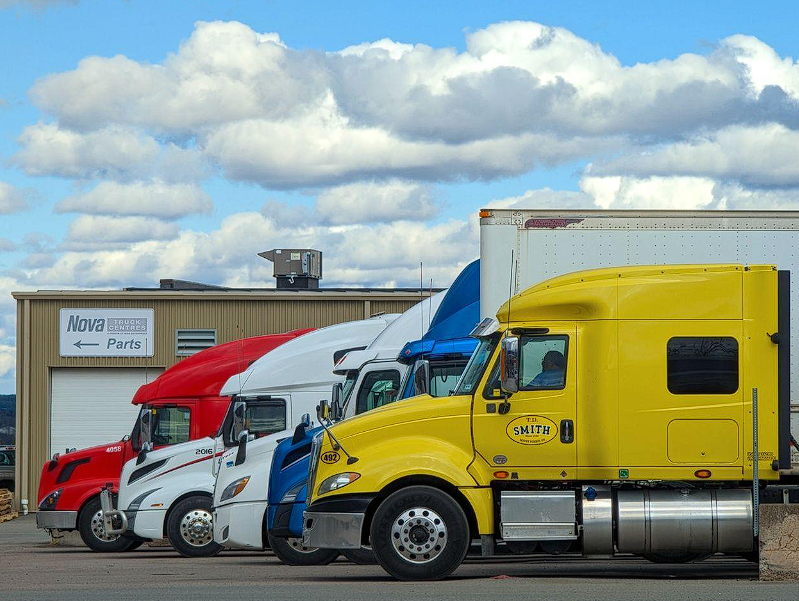
Selling a semi should not eat into the price, stretch across a month, or fall apart at pickup. Fees, bidders, and paperwork can each cause that. Your selling route decides how much of each you face. Here is what to check before you choose one.
What Do Auction Fees Really Take From a Semi?
Auctions take a cut. Ritchie Bros., an auctioneer that sells heavy trucks, offers consignment on straight commission or as an outright purchase, and it pays sellers within 15 business days of the auction. Whether you decide to sell your truck for cash to a direct buyer or send it to auction, compare net proceeds and the payment date, not the hammer price. So ask for both for every option.
- Seller commission - The auctioneer keeps a percentage of the final price.
- Hauling costs - Getting a semi to an auction yard can mean a tow or a paid driver. Ask whether the sale can happen at your location instead.
- Prep work - Washing, repairs, and inspection reports can add cost before the sale.
- Payout wait - Funds can arrive weeks after the sale. Plan your cash flow around that date.
A Low Bid Can Win at Auction
Unreserved means no minimum price. Under Ritchie Bros.' auction terms, every lot sells to the highest bidder, no matter how low the final number lands. So your price depends on who shows up that day.
Reserve auctions work differently, since the seller can set a floor. But a floor can leave the truck unsold, and then you wait for the next sale. A fixed offer from a direct buyer sets the number before the truck moves, while an auction trades that certainty for the chance of a higher bid.
Gather the Title, Lien Release, and Records
Start with the title. If a lender holds a lien, begin the payoff process before you list, because a buyer usually cannot retitle a truck while a lien is open. Add a bill of sale and your service records. And write down the current mileage and engine hours so buyers can check them against the dash.
Heavy trucks are an odd case on mileage. Under Title 49 of the Code of Federal Regulations, § 580.17, a vehicle with a gross vehicle weight rating above 16,000 pounds is exempt from the written odometer statement, which covers most semi-tractors. Before pickup, remove your company decals and USDOT number, since those markings point back to your operating authority.
Why Do Semi Sales Stall?
Selling a semi involves a lender, a title office, a payment, and a driver to haul the truck away. Any one of them can add days.
- Lien payoff - The lender has to confirm the amount and release the title.
- Payment clearing - Confirm the funds with your bank before the keys change hands. Do it before pickup, not after.
- Pickup date - The buyer needs a hauler or a driver lined up.
- Buyer inspection - Some buyers want a shop to look at the truck before paying. Offer a window up front.
Written Offers Beat Verbal Quotes
A phone quote isn't an offer. Ask each buyer to put the price, the pickup date, and the payment method in writing. Then ask what would change the number after inspection, and get that answer in writing too.
Compare offers on the same terms: net price, payout date, and who pays for hauling. A fixed offer removes the bidding step. Any check for more than the price is a red flag, since the FTC explains that a bank can take weeks to catch a fake and then take the money back.
Get Two or Three Written Offers This Week
A smooth semi-truck sale starts with knowing your bottom line and getting your paperwork ready. Have the title and lien release in order, then get written offers from two or three buyers, including pickup dates. Compare those offers with what you'd actually earn at auction after fees and waiting for payment. Make sure the funds clear your bank before handing over the truck.