How to Choose a 7-Seater Electric Car for Business Travel

If you regularly move clients or a small team around the UK, a seven-seat electric vehicle can keep everyone in one vehicle. Whether it saves money depends on your mileage and charging costs. The first check is simpler: are all seven seats usable for your passengers? Remember that seven seats include the driver, leaving space for six passengers. This guide covers cabin comfort, luggage, charging and ownership costs.
Start with who's actually sitting where
Before comparing range or price, picture a typical trip. Two consultants and a client? Six colleagues with overnight bags? That distinction helps you decide whether an SUV with occasional third-row seating will do, or whether you need a people carrier.
Third-row reality check
Ask an adult to sit in the third row while another adult sits directly in front. Check knee room, headroom and access without moving the front passenger into an uncomfortable position. If you carry children, check which seats have ISOFIX child-seat mounting points. Van-based MPVs such as the Mercedes-Benz EQV, Vauxhall Vivaro Life Electric, Citroën ë-SpaceTourer and Toyota Proace Verso EV are useful starting points when adult third-row comfort matters.

Sliding doors and step-in height
Sliding doors make boarding easier in tight hotel car parks because they don't swing into the next parking space. Check the step-in height and grab handles, especially for passengers with limited mobility. Measure overall vehicle height against the car parks you use. For the Ford E-Tourneo Custom, confirm the dimensions and seating layout of the exact UK version rather than relying on a European specification sheet.
Luggage space with all three rows up
Check how the brochure's luggage figure was measured. Maximum capacity may require rear seats to be folded or removed, which isn't useful when every seat is occupied.
Airport-ready boots
Look for capacity with all seven seats in use, then test it with your usual bags. For the Volkswagen ID. Buzz, compare the exact wheelbase and seating configuration rather than a headline maximum. Sliding rear seats can help balance legroom and luggage space. Removable seats are useful for equipment runs, but only when you don't need them for passengers and have somewhere to store them.
Range, charging and route planning
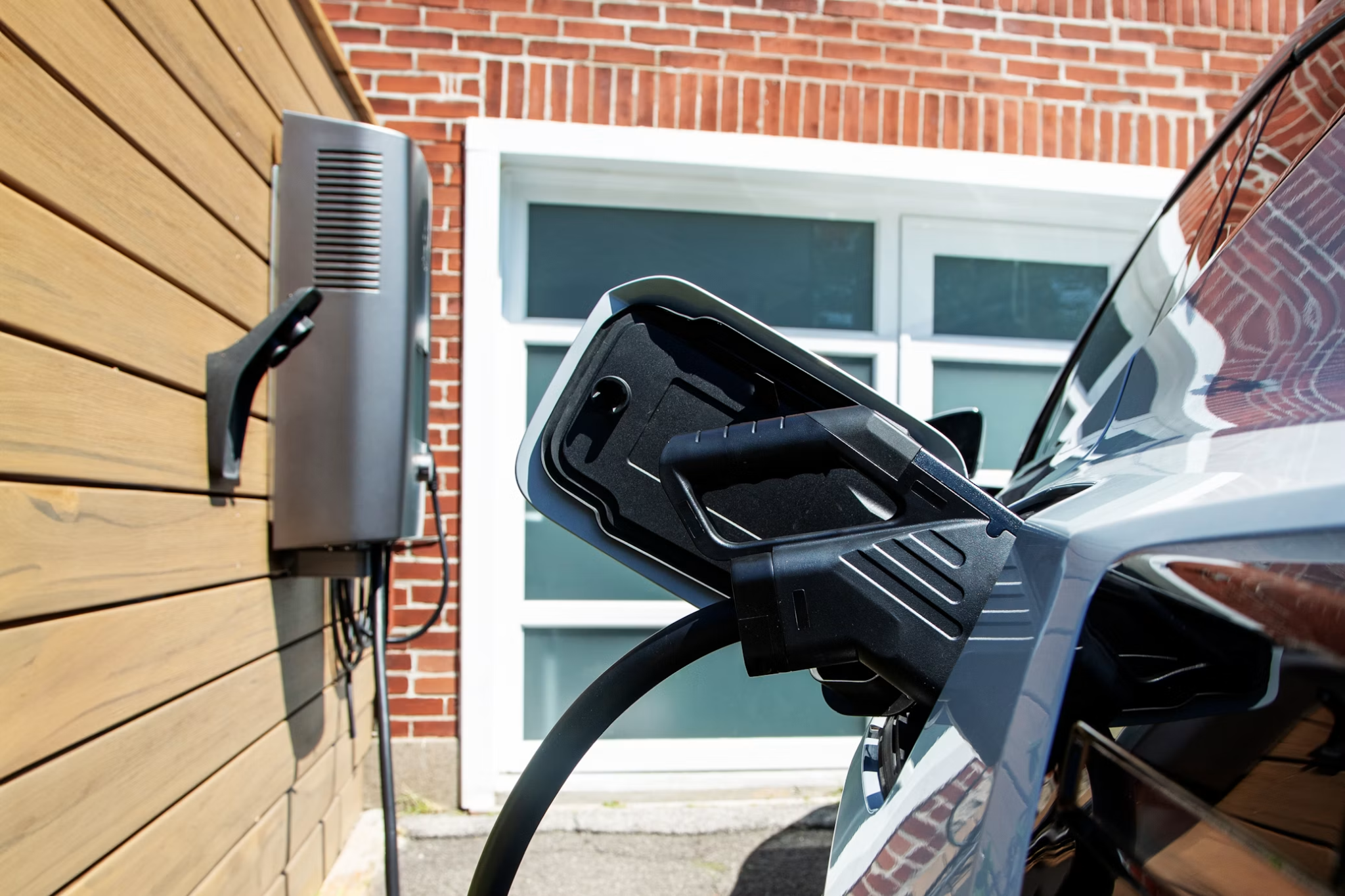
A full load of people and bags can reduce range. Motorway speeds, cold weather and cabin heating also matter, so leave a margin rather than planning a working day around the advertised figure.
Where you'll actually charge on business
Start with charging at your base or overnight accommodation, then plan motorway stops around the remaining distance. Identify a main charging stop and a backup on each regular route. Check payment options, opening hours and whether the bays suit a large MPV. Ask hotels whether their chargers can be reserved, what they cost and whether access is guaranteed for overnight guests.
Costs businesses care about
Company-car tax snapshot
Scheduled UK benefit-in-kind (BIK) rates for zero-emission company cars are 4% in 2026/27 and 5% in 2027/28. These percentages help calculate the taxable benefit; they aren't the employee's final tax bill. Ask your accountant to check the vehicle's tax treatment, taxable value and rates for each year of the planned ownership or lease. For a fuller planning checklist, review long-term EV ownership costs before agreeing the budget, and compare the result with your expected mileage, charging mix and vehicle use.
Leasing vs buying
Compare like-for-like quotes for the same specification and annual mileage. Include electricity at your base and public chargers, insurance, servicing, tyres and replacement transport during downtime. With a lease, check excess-mileage charges and return conditions. When buying, factor in finance costs and uncertainty over resale value.
Shortlist: models to test-drive in the UK
These models provide starting points for comparison. Seating layouts and availability vary by model year, trim and body length, so confirm the current UK specification before arranging a test drive.
Van-based MPVs
- Mercedes-Benz EQV: compare seven-seat versions and body lengths, paying particular attention to luggage space behind the third row.
- Vauxhall Vivaro Life Electric: check the available seating arrangements rather than assuming every version has the same passenger layout.
- Citroën ë-SpaceTourer: confirm the seat count and cabin configuration, which can differ between versions.
- Toyota Proace Verso EV: assess third-row access and bag storage in the exact passenger-carrying version offered.
If you're operating in Hong Kong
For businesses with a Hong Kong operation, Denza offers the D9 as a luxury all-electric seven-seat MPV with right-hand drive. It is a relevant option for teams seeking a 7 seater electric car for client transfers. Assess the Denza D9 against the same access, luggage and charging checks, using the current Hong Kong specification. Confirm local pricing and equipment rather than assuming this option is available on the same terms in the UK.
A practical test-drive checklist
Test the vehicle with a representative group and the luggage you normally carry.
Charging reality
If the dealer permits it, try a DC rapid charger during the test drive. Check cable reach, payment and connection. Treat the observed charging speed as one example, not a guaranteed rate in every condition.
Making the final call
Choose a vehicle that meets your passenger and luggage needs, fits your charging routine and stays within your total-cost budget. For UK buyers, compare the exact versions of the shortlisted models. For Hong Kong teams, the Denza D9 adds a right-hand-drive seven-seat option to assess. Confirm current specifications, equipment and local availability before ordering.
FAQs
Are seven-seat EVs practical on UK motorways?
They can be, provided their real-world range and charging stops fit your schedule. Allow for a full load, cold weather and a backup charger.
Do I need 150 kW charging for business use?
Not necessarily. Reliable overnight charging may matter more for local work. For frequent long journeys, compare charging times and route coverage rather than relying on the peak charging rate.
Should a business buy or lease a seven-seat EV?
Leasing can make costs easier to forecast, while buying may suit a business planning to keep the vehicle longer. Compare total costs using the same mileage and specification.
What should I confirm before ordering?
Confirm the current UK specification, seating layout, luggage space, charging access, insurance and tax treatment before signing an order or lease agreement.