Staging to Sell: Interior Details That Help Property Entrepreneurs Flip Homes Faster
A successful property flip doesn’t end when the builders pack up. Buyers still need to walk through the door and see a home, rather than a recently completed project.
Good staging helps them do that. For property entrepreneurs, the goal isn't to fill rooms with expensive furniture or chase the latest interior trend. It’s to make the property look finished, show buyers how each space works, and spend money where it can have the greatest impact on the sale.
Finish the Details Buyers Notice First
After funding a renovation, it’s tempting to treat staging as an optional extra. Yet small unfinished details can undermine a great deal of hard work. Buyers may notice the bare window, missing lampshade or crooked cupboard handle before they appreciate the new flooring.
Walk through the property before arranging photography and make a snagging list from a buyer's point of view. Touch up chipped paint, straighten fittings, hide loose cables and replace anything that looks worn. Pay particular attention to entrances, kitchens, bathrooms and the main living areas, as buyers will spend plenty of time looking around these spaces.
Windows also deserve attention. Bare windows can make a freshly decorated room look unfinished, while old or damaged coverings can distract from the rest of the refurbishment. A simple roller blind offers a neat solution without demanding an elaborate window treatment. If you’re looking for practical roller blinds at the right price, consider an experienced retailer like Terrys Fabrics when budgeting for this final stage of a project.
Make Every Room Easy to Understand
Buyers shouldn't have to guess what a room is for. Empty or awkward spaces often look smaller in photographs, and viewers may struggle to judge what furniture will actually fit.
Give each room a clear job. Place a bed in a bedroom, add a dining table where you expect people to eat, and use a desk to show how an awkward alcove could function as a workspace. You don’t need to fill every corner. A few well-proportioned pieces can communicate the scale of a room more clearly than a crowded furniture arrangement.
Think carefully about smaller properties, where every square metre needs to earn its place. If a compact second bedroom can accommodate a bed and storage without feeling cramped, show buyers that layout rather than leaving them to calculate it during a ten-minute viewing.
The same principle applies to open-plan homes. Use rugs, lighting and furniture placement to distinguish the dining, living and working areas. Clear visual zones help buyers understand how they could use a large shared space without adding walls.
Let Natural Light Do Some of the Work
Light can change how a buyer experiences a room, so don't let furniture or staging props block it. Move tall pieces away from windows and remove clutter from windowsills. Clean the glass and frames before the photographer arrives. These jobs cost little but can make the room look fresher and draw attention towards the view or garden.
Check artificial lighting at the same time. Replace failed bulbs and use floor or table lamps in corners where ceiling lights leave shadows. If you plan viewings during darker afternoons, switch on lights before buyers arrive, rather than making them search for switches as they move between rooms.
Wall colours play a part too. Strong colours may suit an individual owner, but they can dominate photographs and make buyers think about repainting. Restrained shades usually give investors a more flexible backdrop for furniture, artwork and soft furnishings.
Spend the Staging Budget Where It Shows
Flipping property requires constant decisions about where another pound will make a difference. Apply the same discipline to staging.
Start with defects rather than accessories. A damaged door handle deserves attention before a decorative vase does. Likewise, badly fitted sealant around a bath or a loose kitchen cupboard can make a renovation feel less carefully finished.
Once you have dealt with those jobs, focus your staging budget on the rooms that shape the viewing. The living room, kitchen and main bedroom usually need enough furniture to establish their purpose and scale. Secondary rooms can often work with fewer pieces.
Don’t buy items simply because they look good in isolation. Ask what each purchase does for the property. Does the mirror make sense on that wall? Does the rug help define the seating area? Does the lamp solve a dark corner? If an item adds clutter rather than clarity, leave it out.
Choose Furniture That Fits the Property
Oversized furniture can make a perfectly reasonable room feel cramped. Tiny furniture creates a different problem by giving buyers an unrealistic impression of how their own belongings might fit.
Choose pieces that reflect the proportions of the home. Leave enough floor space for people to move naturally through each room, especially between doors and around beds or dining tables.
Look at each room from the doorway too. Buyers form an impression within seconds, so the layout should make sense from where they first stand. Avoid placing the back of a bulky sofa directly in their line of sight or forcing them to squeeze around furniture.
This approach matters even more when staging compact flats and smaller houses. You want to demonstrate that the space works, not prove how many pieces of furniture you can fit into it.
Prepare for Photographs and In-Person Viewings
The camera notices clutter that people sometimes overlook in person. Before photography, take a few phone pictures from the corners and doorways of each room. You may spot tangled cables, uneven bedding, crowded worktops or unnecessary objects immediately.
Remove cleaning products, bins and personal items from view. Straighten chairs, bedding and window coverings. Keep kitchen worktops mostly clear so buyers can see the available preparation space, not a collection of appliances.
Then check the property again before viewings. Open window coverings, turn on lights where needed and keep hallways clear. Avoid overpowering fragrances; a clean, well-aired property usually creates a better impression than one filled with artificial scent.
Final Thoughts
Effective staging comes down to showing buyers what a property can offer without spending unnecessarily. Fix the distracting details, make every room's purpose obvious, and use furniture that suits the available space. Good lighting and careful presentation can do more for a viewing than shelves full of decorative accessories.
For property entrepreneurs, that makes staging another commercial decision rather than a decorating exercise. When every choice supports the way buyers see and use the property, the finished renovation has a much better chance to speak for itself.
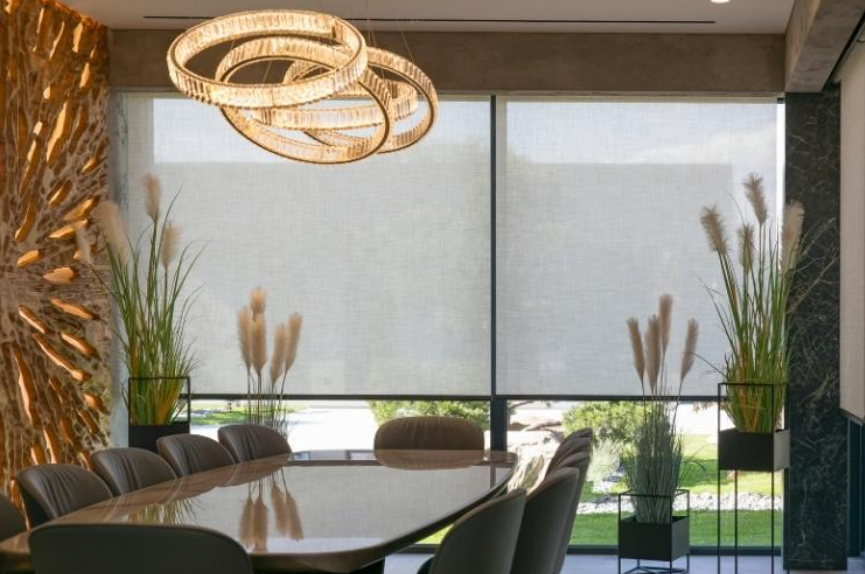
[Image by Astibuk from Getty Images on Canva]