That 'Bargain' Storm Door Might Cost You Twice. Here's Why
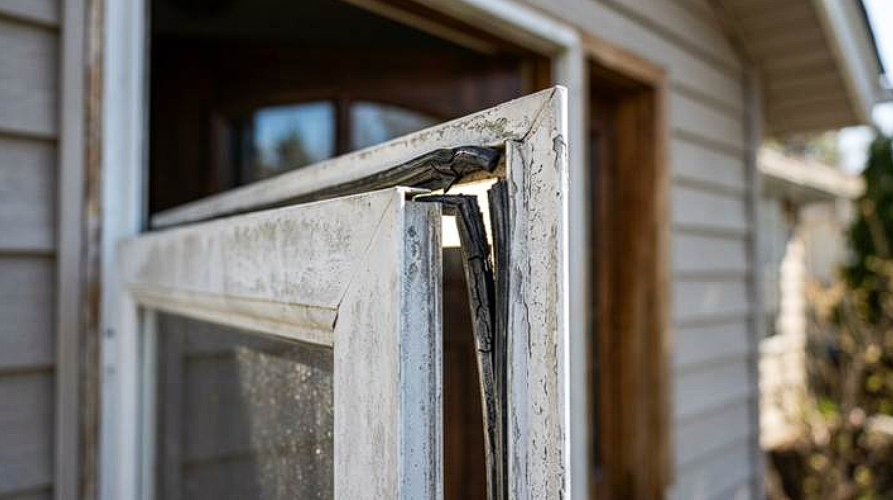
By a home improvement industry contributor. A cheap storm door looks like a smart purchase at the hardware store. But after one or two Front Range seasons, that bargain often reveals its true cost. You see it in the faded paint, baked and cracked by intense high-altitude UV rays. You feel it in the draft coming from a frame that has warped from swinging between 70-degree afternoons and 30-degree nights. The seal fails, the closer gives out, and the door no longer shuts properly.
This isn't just about looks. A failing storm door compromises your main entry door, exposing expensive wood or fiberglass to the elements it was meant to protect. Littleton is largely a city of homeowners: the U.S. Census Bureau reports an owner-occupied housing rate of 61.2% for 2020 to 2024. For those owners, making the right choice upfront prevents a frustrating and costly replacement project down the line. Evaluating the full range of materials and professional installation options for storm doors littleton co is the first step toward a durable, long-term solution.
Quick answer: A quality storm door protects your main entry door, improves home energy efficiency, and allows for secure ventilation. The best choice for the Colorado climate depends on materials that resist UV fading and extreme temperature swings, combined with an installation that accounts for house settling and creates a perfect, airtight seal.
What's inside
· What Is the Real Job of a Storm Door?
· How Do I Compare Materials for a High-Altitude Climate?
· What Separates a Good Installation from a Bad One?
· Frequently Asked Questions About Storm and Security Doors
· The Bottom Line: Fit and Finish Over Features
What Is the Real Job of a Storm Door?
Its primary role is to shield your main entry door from weather, but it also significantly improves your home's energy efficiency, security, and ventilation.
A storm door acts as a sacrificial shield for your much more expensive primary entry door. Along the Front Range, this means blocking intense, high-altitude UV radiation that quickly fades paint and can cause wood to crack. It takes the direct impact of wind-driven rain, snow, and hail, preserving the finish and structural integrity of the main door. Considering a high-quality exterior door can cost thousands to replace, a storm door is an investment in protecting that asset from the daily wear of a harsh climate. It absorbs the abuse so your main door doesn't have to.
The second key function is energy conservation. The space between your storm door and your main door creates a pocket of trapped air. This air acts as an insulating barrier, much like the space between panes in a double-pane window. It reduces thermal transfer, helping to keep your home warmer in the winter and cooler in the summer. While a single storm door won't slash your utility bills in half, it can noticeably reduce drafts and stabilize the temperature in your entryway, easing the load on your HVAC system.
❝ Ask an installer how they account for house settling when fitting the frame. An older home might not be perfectly square. A good installation involves custom fitting the storm door's sub-frame, or "buck," to the existing opening to ensure a perfect, airtight seal. A pre-hung door from a big-box store often can't be adjusted for these subtle imperfections, leading to drafts.
Finally, a storm door adds a layer of practical convenience and security. It allows you to open your main door to welcome in natural light without letting in insects or leaving your home wide open. Models with full-view glass and a retractable screen offer the best of both worlds, giving you an unobstructed view in the winter and easy ventilation in the summer. This also provides a locked, physical barrier, allowing you to speak with someone at your door without fully opening your home.
How Do I Compare Materials for a High-Altitude Climate?
The best materials for Colorado's climate are those that offer thermal stability, UV resistance, and structural strength.
Your choice of material directly impacts how long a storm door will last and how well it performs. The intense sun and dramatic temperature swings common along the Front Range can quickly degrade lower-quality products. The main options are aluminum, vinyl or composite, and wood, each with distinct trade-offs.
Aluminum is often the most practical choice for this region. However, not all aluminum doors are created equal. The key differentiator is the thickness, or gauge, of the aluminum frame. A heavy-duty frame will feel sturdier and resist twisting or bending from high winds. For the finish, look for a powder coat rather than simple paint. A powder-coated finish is baked on, creating a much harder and more durable surface that stands up to high-altitude UV exposure without fading or chipping.
Glass is another critical component. To improve energy efficiency, consider a door with Low-E (low-emissivity) glass. This is glass with a microscopically thin, transparent coating that reflects heat. On a door with large glass panels, that coating can make a noticeable difference in how much heat escapes through the glass. In summer, it helps reflect solar heat away from your home, and in winter, it helps keep your home's radiant heat inside.
Here is a quick comparison of common materials:
❝ When you inspect a floor model, pay attention to the corners of the door frame. On a well-built door, the corners will be tightly joined and reinforced with internal brackets. If you can see gaps or the joint feels flimsy, it's a sign of a weaker frame that is more likely to sag or twist out of square over time.
Ultimately, a material's suitability depends on its ability to withstand the local environment. For the Front Range, that means prioritizing materials that won't warp, fade, or become brittle under daily cycles of intense sun and cold temperatures.
What Separates a Good Installation from a Bad One?
A high-quality door can fail completely if the installation is poor. The difference lies in how the installer handles the imperfections of your home's existing door frame and prepares the door for local weather conditions.
Even a new home is rarely perfectly square. Over time, houses settle, and door openings can shift slightly out of plumb. A careless installer will simply screw the new storm door's frame directly to your existing trim. This forces the new door into the same crooked shape, creating uneven gaps that let in drafts. A professional installation starts by measuring the opening carefully. The installer then uses shims, small wedges of wood or composite material, to build out a perfectly square, level, and plumb sub-frame for the storm door to hang in. This meticulous process ensures the door seals evenly all the way around.
❝ Ask an installer what type of sealant they use around the door frame. A high-quality elastomeric or polyurethane caulk remains flexible in extreme temperatures. Cheaper acrylic caulk will harden and crack during Colorado's freeze-thaw cycles, breaking the airtight seal within a season or two. The answer tells you if they are planning for long-term durability.
The hardware and its attachment are also critical, especially with the strong winds common along the Front Range. A proper installation uses long, corrosion-resistant screws that anchor the door frame securely into the structural studs of your house, not just the decorative wood trim (called brickmold). This provides the strength needed to prevent the door from being pulled away from the house by a powerful gust. The bottom sweep must also be adjusted perfectly to meet the threshold, creating a tight seal without dragging.
Finally, pay attention to the door closer. This is the pneumatic or hydraulic cylinder that controls the door's swing. A good installer will adjust it precisely. The door should close smoothly and latch securely without slamming shut or hanging open. They will often perform a final adjustment after the door has been installed for a day to account for its settled weight. These small, final touches are the hallmark of a job done right.
Frequently Asked Questions About Storm and Security Doors
What's the difference between a storm door and a security door? The primary difference is their construction and main purpose. A storm door is designed to protect your main entry door from weather, using a lighter frame made of aluminum or vinyl. A security door’s sole function is to prevent forced entry. It is built from heavy-gauge steel or thick aluminum, features a reinforced frame, and uses high-security locks and non-removable hinge pins.
What determines the cost of a new storm door? The final price is driven by materials, glass options, and custom features. A basic, standard-sized door will be the most affordable. Costs increase for heavy-duty extruded aluminum frames, doors with energy-efficient Low-E glass, retractable screens, or any custom sizing and colors. Professional installation is also a significant factor, adding to the cost but ensuring a proper, airtight fit that a DIY installation often cannot match.
What should I look for in a good storm door screen? Instead of focusing on brand ratings, evaluate the screen system's design and durability. The most versatile options feature a retractable screen that rolls up into the door's frame, allowing you to switch between full glass and full ventilation easily. Check that the screen material is tear-resistant and held securely in its tracks. A flimsy system can be pushed out by pets or bowed by strong winds.
Can a security door improve my home's value? While it may not add a specific dollar amount to an appraisal, a security door significantly boosts curb appeal and a potential buyer's sense of safety. This can make your home more attractive and marketable compared to others. For you as the current owner, the primary value comes from the added protection and deterrence. It is an investment in security that can also pay off in perceived value when you eventually sell.
Can I get a storm door with a pet door already installed? Yes, many manufacturers offer models with factory-installed pet doors. This is a superior solution to cutting a hole in an existing door, as it ensures the door's structural integrity is maintained and the seals around the pet flap are completely weatherproof. When choosing this option, confirm the pet door itself is high quality, with a secure locking cover and a flap that seals well against drafts.
The Bottom Line: Fit and Finish Over Features
Choosing a storm door for your home is less about picking a product and more about investing in a properly installed system. In a climate with intense sun, high winds, and dramatic temperature shifts, the long-term performance of a door has little to do with its brand name. Instead, it is determined by two factors you can directly evaluate: the structural quality of its materials and the precision of its installation. A heavy-gauge aluminum frame will hold its shape, and a professional, shimmed fit will provide a seal that a simple screw-in job never can.
Ultimately, the best decision comes from looking past the brochure features. The critical questions are not about screen styles or color options, but about the unseen details. How are the corners reinforced? What kind of sealant will be used? How will the installer ensure the new door is perfectly plumb and square within your existing, likely imperfect, frame? Focusing on these fundamentals of construction and installation is what separates a door that lasts for a few seasons from one that protects your home for decades.
About the author
This piece was contributed by the team at Denver Storm Door, a Colorado-owned company specializing exclusively in storm and security door installations. Serving homeowners from the Denver metro area to the Front Range, their work focuses on craftsmanship and installation techniques suited for the region's high-altitude climate. They address challenges like intense sun, high winds, and temperature swings by focusing on durable materials and ensuring a precise, weatherproof fit for every project.