The case for AI in manufacturing: spotting problems and identifying opportunities
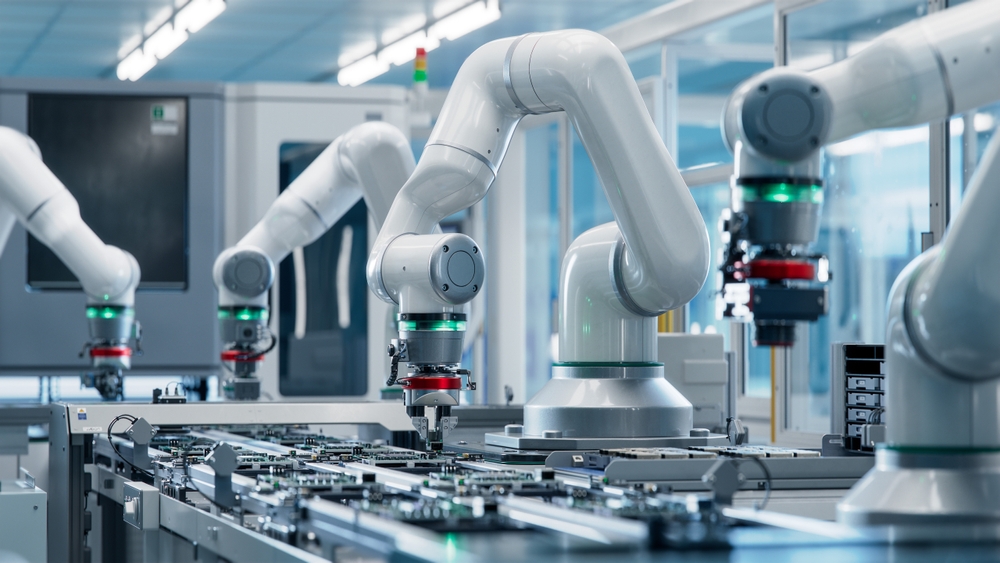
Reactively solving operational mishaps is what every manufacturer wants to avoid. This is where AI really shines, because it can alert us to the issues that would otherwise go unnoticed until it’s too late.
On the surface, most factories run like clockwork, with orders moving quickly and production targets getting met. But that doesn’t mean trouble doesn’t exist. Unseen costs can still creep up, suppliers can fall behind and deadlines can still be missed. The problem is that while things appear to work smoothly, these issues often lurk beneath the surface - and by the time anyone spots them, the damage is already done.
For years, the industry has been investing in technology to make operations faster, more consistent and more efficient. This has been a valuable step in the evolution of supply chain management, with automation and ERPs having transformed production lines by giving leaders much-needed visibility of their operations.
What we’re missing, though, is the ability to predict what will go wrong tomorrow. And this is where AI can make a practical difference.
The good news is that the market is ready for more innovation. A recent Forterro study found that 64% of midmarket industrial businesses consider AI a strategic priority over the next two years. While manufacturers are clearly interested, however, they don’t need AI for the sake of AI. They need something that tangibly helps the bottom line.
The problem is a lack of joined-up thinking
Most manufacturers already have the information they need to see trouble brewing. The problem is that it tends to be scattered across multiple functions like procurement, production, finance and customer service.
If a supplier starts missing delivery targets, for instance, each team might notice it once and assume they’re just experiencing a small procurement headache. If these warning signs exist in isolation and no one joins the dots, issues can grow. What may appear to be a minor issue, could indeed result in unnecessary overheads or upset customers.
AI should earn its keep by connecting these warning signs. It can do the work of trawling through spreadsheets and dashboards and then find patterns across different business functions, highlight any emerging risks and let people know - while there's still time to act.
To make that happen, AI needs to work inside the workflows people already use, not sit in a detached tool or a separate analytics layer. When intelligence is embedded in the ERP (where orders, suppliers, inventory and costs already live), warning signs can move from insight to action in one place, without disrupting how teams work.
Use automation, AI and people for their strengths
A key consideration in getting this right is getting automation, AI and people to work together.
Automation is brilliant at managing established processes accurately and repeatedly. It can make production more consistent, reduce manual effort and remove unnecessary delays. So, let it handle repetitive tasks.
That said, it doesn't always recognise when the circumstances surrounding those processes have changed. AI can fill this gap because it can interpret patterns, identify anomalies and flag relationships.
Once AI has helped people understand what’s new and where to look, then it’s time for decisions. Important choices should be controlled by people, particularly those around financial commitments, production changes or promises to customers.
Test before you spend
Thankfully, the prospect of making this a reality is upon us. With the recent Budget committing an additional £60 million to the UK’s Sovereign AI Fund, focusing on physical AI, manufacturers have the chance to make meaningful investments. They should do so, however, in ways that yield tangible productivity.
For leaders considering their next technology venture, I'd suggest three practical tests.
- Identify where your problems tend to surface too late. Is this supplier performance, unexpected production costs, missed delivery dates or inventory build-up?
- Establish whether the information you need to anticipate those problems already exists in your business. If so, how can AI connect and interpret it?
- Insist on measurable results. Will you reduce avoidable costs, protect margins, improve delivery performance or making decisions sooner?
Manufacturing will always involve uncertainty. Suppliers fail, demands shift and costs fluctuate. No technology can eliminate those realities. But businesses can get much better at spotting warning signs and responding while issues are still manageable. This is the real promise of AI.