The Executive’s Guide to Choosing a Luxury Business Watch
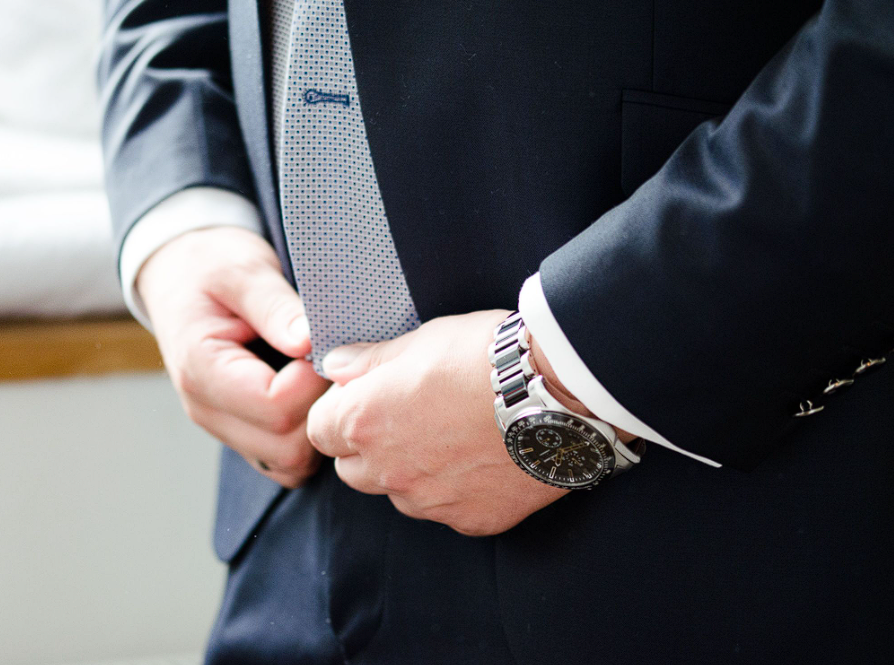
A luxury watch can be a practical addition to a professional wardrobe. For executives, business owners and senior professionals, the right timepiece needs to suit meetings, conferences, corporate dinners and business travel without looking out of place.
The key questions are straightforward. Should a business watch be understated? Is an automatic movement better than quartz? What size suits formal clothing? And how much should you spend?
There is no single answer, as the right choice depends on your working environment, personal style and how often you expect to wear the watch. However, a few principles can make the decision much easier.
What Should You Look For in a Business Watch?
Start with versatility. A watch that works with a suit yet looks appropriate in smart-casual settings will generally offer greater value than one reserved for a handful of formal occasions.
Dial design is also important. Clean layouts are easier to read and tend to complement professional clothing. Neutral colours such as black, white, silver, blue and understated grey can work across a wider range of shirts, jackets and shoes.
Case size deserves attention too. Larger watches can make a stronger visual statement, while more compact cases often sit comfortably beneath a shirt cuff. Your wrist size, rather than current fashion, should be the deciding factor.
The strap can change the character of the same watch. Leather often creates a formal appearance, while stainless steel gives a more versatile, contemporary look. If you travel frequently or move between different settings during the working day, a practical bracelet may be preferable.
Quality should also extend beyond appearance. A professional buying a luxury watch should consider the movement, materials, water resistance, warranty and aftercare available with the purchase.
Why Longines Watches Work for Professional Settings
Longines has been based in Saint-Imier, Switzerland, since 1832 and has built its reputation on Swiss watchmaking, precision and elegant design. Its current collections span classic, heritage, sports and travel-inspired styles, offering professionals several directions to consider.
For someone comparing Longines watches, the range available through Chisholm Hunter includes collections such as Conquest, HydroConquest, Master, DolceVita, Spirit, Zulu Time and Heritage. This variety matters because a chief executive attending formal meetings may have very different requirements from those of a consultant who spends much of the year travelling between countries.
Longines also offers both automatic and quartz movements, depending on the model. Automatic watches can appeal to buyers who appreciate traditional mechanical watchmaking, while quartz models offer straightforward precision and convenience.
The important point is not to choose a watch simply because the brand is recognised. Consider how the particular model fits your working life.
Match the Watch to the Business Occasion
Different professional situations call for different approaches.
Client Meetings and Boardroom Presentations
A formal meeting is usually the best setting for a refined watch with a simple dial and restrained proportions. It should complement your clothing rather than become the main focus of conversation.
If you regularly wear suits, a classic design on a leather strap can work particularly well. Silver, white or dark dials are generally easy to coordinate with business tailoring.
The objective is simple: the watch should look considered without distracting from the meeting itself.
Conferences and Networking Events
Conferences allow slightly more flexibility. You may spend the day in business attire before moving to an evening reception, so versatility becomes more important.
A stainless-steel bracelet can work well here because it sits comfortably between formal and relaxed styles. A blue or subtly textured dial can also add personality without appearing excessive.
This is where a watch that can move between different settings becomes especially useful.
Business Travel
Frequent travellers have different priorities. A watch needs to cope with long journeys, shifting schedules and a mix of professional and personal activities.
A GMT function can be useful for those who regularly work across time zones. Longines' Spirit and Zulu Time collections feature travel-focused designs, and the brand's history also includes developments in timekeeping and aviation.
For international executives, however, useful features should be balanced against practicality. A complicated dial may offer additional functionality but can be less suitable for someone who values simplicity.
Corporate Dinners and Formal Events
Evening events offer an opportunity for a more refined design. A slimmer case and an elegant dial can complement formalwear without competing with it.
For black-tie occasions, restraint is generally preferable to an oversized sports watch or a highly complicated display. The watch should complete the outfit rather than dominate it.
Automatic or Quartz: Which Is Better for an Executive?
The choice between automatic and quartz comes down to priorities.
Automatic movements appeal to those who appreciate mechanical engineering and traditional watchmaking. Powered by the wearer's movement, they are valued by many luxury watch enthusiasts for their mechanical character.
Battery-powered quartz movements are known for their accuracy and convenience. They can make sense for professionals who want a dependable everyday watch without placing as much emphasis on mechanical craftsmanship.
Neither is automatically the better choice for business use. Think about what you value most. If the appeal lies in traditional horology, an automatic model may be the natural choice. If convenience and accuracy are the priorities, quartz may be more suitable.
How Much Should You Spend on a Business Watch?
Set a budget before choosing a collection or a specific model.
Luxury watches can vary considerably in price depending on the movement, materials, complications and collection. Current Longines models available through Chisholm Hunter range from more accessible options to pieces costing several thousand pounds.
A higher price does not necessarily mean a better business watch. A complicated chronograph may cost more than a simple dress watch but offer little additional benefit if your main requirement is a reliable timepiece for meetings.
Instead, consider cost alongside frequency of use. A watch worn several times a week may justify a higher initial spend if it provides the design, comfort and functionality you actually need.
It is also worth considering aftercare. Servicing, bracelet adjustment, warranty support and access to professional assistance can make a difference over the lifetime of a luxury watch.
Should a Business Watch Be a Status Symbol?
A luxury watch can signal personal taste and professional success, but it need not serve as a status symbol.
In many professional environments, understated quality is often more appropriate than overt displays of wealth. The best choice usually reflects your personality while remaining suitable for the people and situations around you.
This is especially relevant for client-facing professionals. A watch may contribute to an overall impression, but competence, preparation and communication remain far more important.
Think of the watch as one element of professional presentation, not a substitute for it.
Consider Longevity Before Making a Purchase
Trends can influence watch buying, but executives should also consider how the watch will look several years from now.
Classic proportions, legible dials and versatile colours tend to remain useful as wardrobes and workplaces change. A design that suits a business suit today should ideally remain suitable for a more relaxed professional wardrobe in the future.
Longines' broad collection makes this easier, as its ranges cover different styles and purposes. The Master Collection, for example, focuses on classic watchmaking and complications, while Conquest combines sport and elegance. Spirit and Zulu Time offer travel-focused designs, and Heritage models draw on historic styling.
This gives buyers the option to choose based on actual requirements rather than purchasing a watch simply because it is currently popular.
The Practical Checklist Before You Buy
Before committing to a luxury business watch, ask yourself five questions:
- Will I wear it regularly? A watch that suits several parts of your wardrobe is likely to offer greater practical value.
- Does the size suit my wrist? Case dimensions should feel comfortable and sit naturally under a cuff, where appropriate.
- Does the movement suit my priorities? Decide whether mechanical craftsmanship or everyday convenience matters more to you.
- Will it work for my typical business occasions? Think about meetings, travel, conferences, dinners, and weekends, not just a single event.
- What support comes with the purchase? Check warranty details, servicing options, and professional adjustment services before buying.
Make the Watch Work for Your Career
Choosing a luxury watch is easier when the decision starts with your lifestyle rather than the brand name.
For executives and professionals, versatility, comfort, legibility and quality should carry significant weight. A watch that works in the boardroom, on a flight and at a business dinner will usually offer greater practical value than one chosen solely for its visual impact.
Swiss watchmaking adds another consideration. Longines has more than 190 years of history in Saint-Imier and offers a broad selection of designs, movements and functions.
The right choice is ultimately personal. Look for a timepiece that fits your wrist, complements your professional wardrobe and suits the way you actually work. A well-chosen watch can then become a dependable part of your professional style for years to come.
Photo by Pixabay


.jpg)