The Gap Between a Good AI Video and a Good Business Idea

An office manager watches a short film of a plant-care service. A trolley arrives at a bright reception desk, tired-looking plants are exchanged for healthy replacements, and the workspace looks better by the final frame. The manager says it looks lovely.
For the founder, that response is encouraging. It also leaves the important questions unanswered. Who would arrange access? Would the office prefer maintenance visits to replacement plants? Is this a problem anyone wants to spend money solving?
AI video can make a proposed service easier to picture. The mistake is allowing that clarity to stand in for commercial evidence. A polished scene tells people what an idea could look like. It does not tell the founder whether the idea belongs in their working week.
Make the service concrete without pretending it already exists
Consider a fictional founder developing a plant-maintenance subscription for offices. The initial concept promises scheduled care and, where agreed, replacement plants. A paragraph can explain this, but it may leave customers imagining very different arrangements.
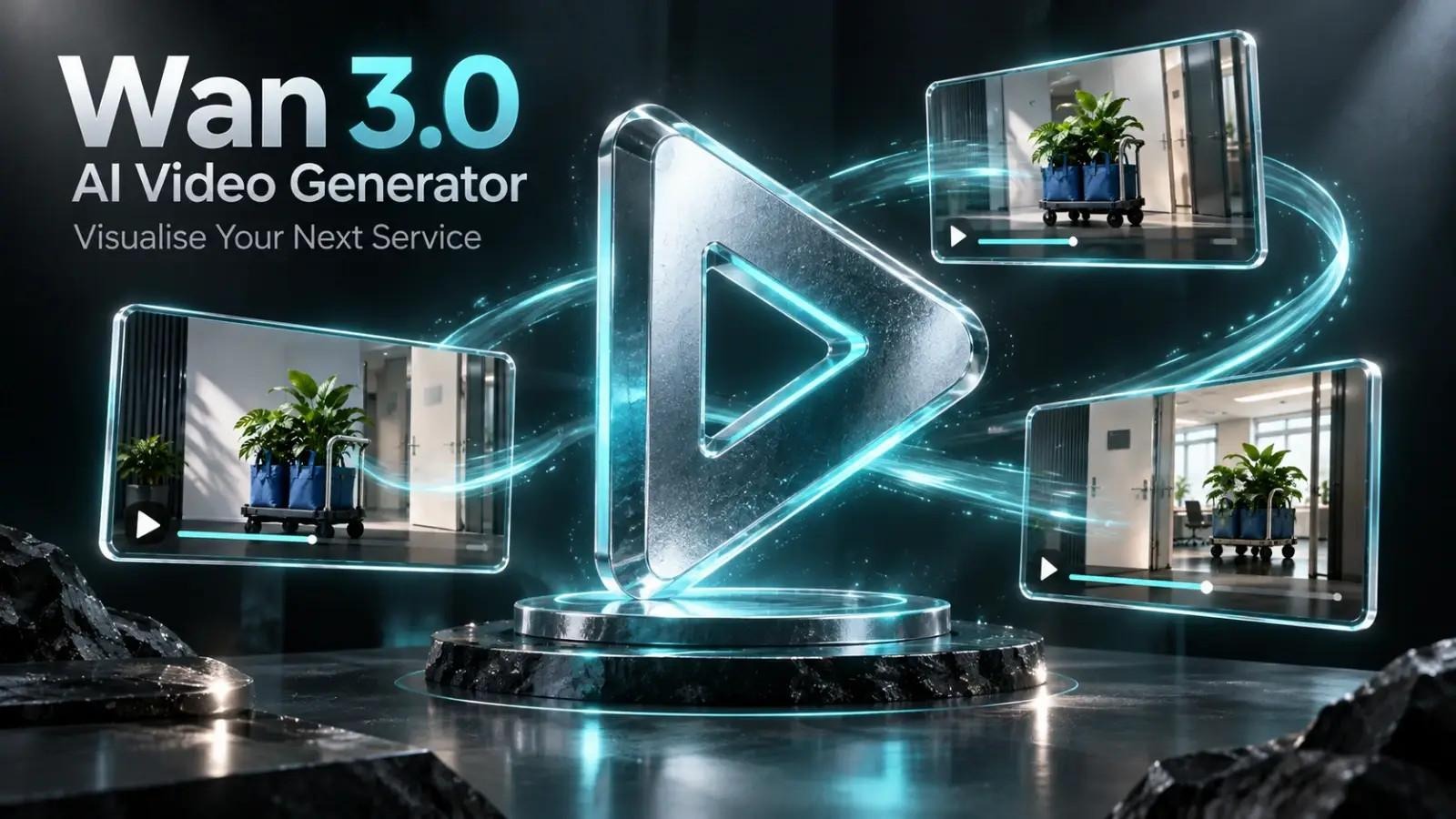
A concept clip could show the point where the service meets the customer: a blue carrier trolley reaches an office doorway, two plants are exchanged, and the reception area remains usable. That is a narrower assignment than making an aspirational film about happier workplaces.
Wan 3.0 Video Generator can turn a written scene or still image into a video, with generation options up to thirty seconds. That gives the founder a way to explore this handover visually. A short sequence is enough if it makes the proposed arrangement understandable; there is no need to fill the maximum duration.
The customer discussion should introduce it as a service concept. Do not imply that the invented office is an existing client site or that the exchange has already been delivered successfully. Show the possibility, then discuss what would make it workable.
The useful disagreement may be about the doorway
Founders often hope a visual will make everyone agree. For an early service idea, disagreement can be more useful. The plant exchange may look straightforward until an office manager points out that external visitors cannot pass reception without an escort.
Now the conversation has moved from taste to operating conditions. A beautiful trolley is not the issue. Someone must receive it, find the plants and decide where replacement pots go. The video has exposed a customer task that the founder's description skipped.
Ask the viewer to talk through the scene in their own workplace. Where would the trolley wait? Who would be interrupted? What happens when the nominated contact is absent? These questions concern the service being proposed, not the viewer's ability to judge cinematography.
A convenient visual detail can hide an inconvenient business assumption. An empty corridor suggests easy access. Identical pots suggest interchangeable stock. An instant exchange suggests there is nothing to inspect or record. None of those assumptions becomes true because it is easy to depict.
Separate reactions into three different kinds of evidence
Keep customer notes under three headings. This avoids turning every positive comment into support for the same conclusion:
- Understanding: the person can explain what happens and what their office would need to do.
- Relevance: they describe a current problem, such as care responsibilities falling between facilities and reception.
- Next action: they agree to a specific follow-up that helps examine feasibility, such as involving the facilities contact in a pilot discussion.
"It looks professional" belongs outside those headings unless the speaker explains what the appearance changes for them. It is feedback on presentation. "Our reception team would need a fixed arrival window" is different: it identifies a condition the offer must address.
Even a next action is not proof of demand on its own. An introduction is not a purchase, and a request for details is not a retained customer. Keep the stage visible in the notes rather than reporting a string of encouraging conversations as confirmed orders.
Change the business assumption, not just the colour grade
Once access emerges as a concern, another version should investigate a different handover. Perhaps the trolley stops at reception and the exchange uses plants brought out by the office contact. This may look less impressive, but it asks a more relevant question.
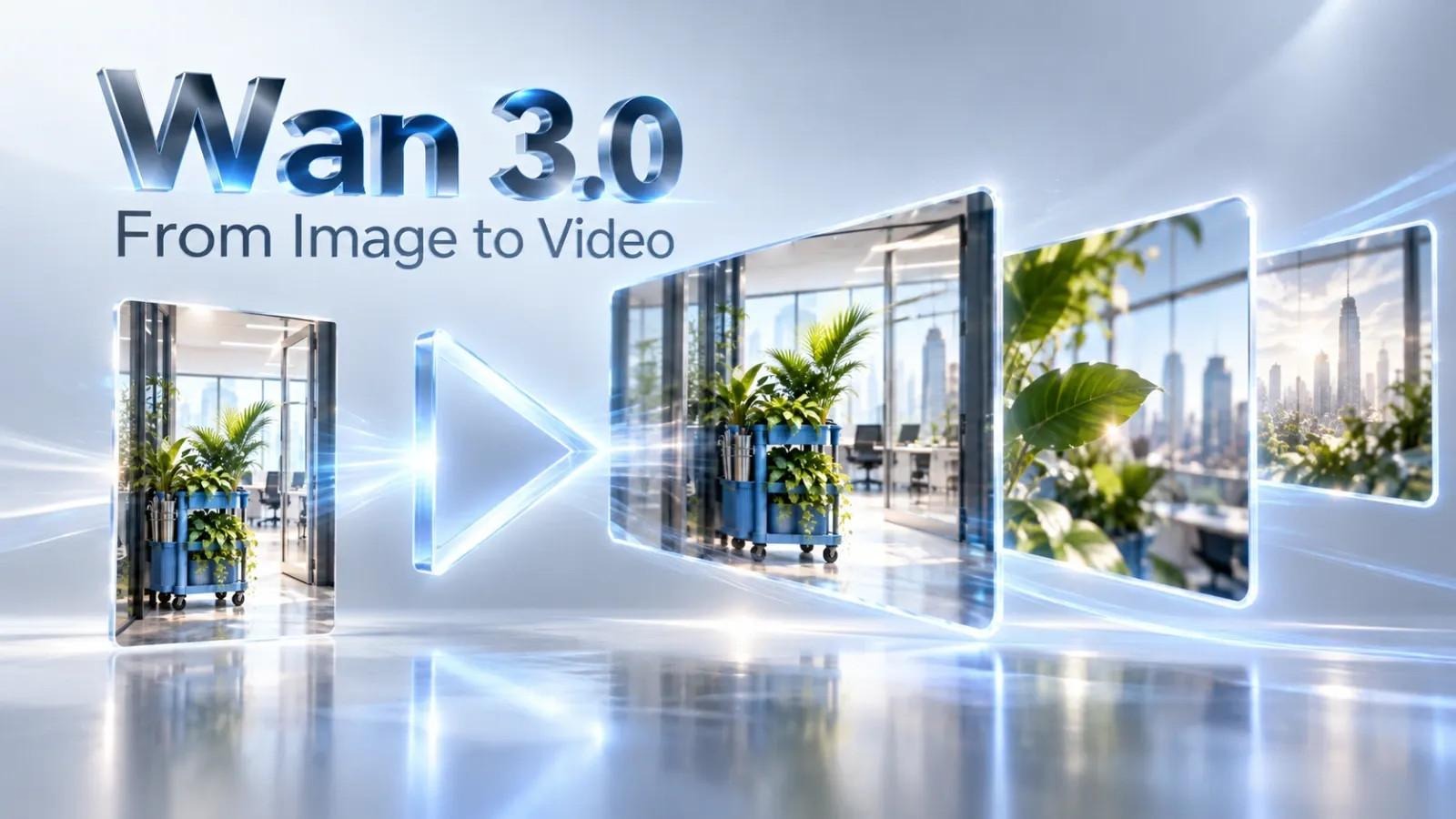
Wan 3.0 service concept videos can begin from a prepared illustration of the doorway and trolley, with a prompt describing the proposed exchange. The image-led route supplies a visual starting point. It does not establish that the arrangement is practical or that every object will remain exact in the returned clip.
Use eligible, original reference material rather than uploading a prospect's private office photographs or internal floor plans for convenience. An invented setting is sufficient to discuss a handover. If the actual layout becomes decisive, examine it with the customer through an appropriate real-world visit.
Keep the business alternatives legible. One version might mean a maintenance visit inside the office; another might mean an exchange at reception. Changing both the arrangement and the visual style makes it harder to tell which difference prompted the response.
A pilot must do something the video cannot
After the concept discussion, the next useful step may be a small, clearly defined pilot. Its purpose is to encounter the parts that a generated scene can smooth away: access delays, storage, handling, scheduling and responsibility for the plants between visits.
Agree the scope before calling it a pilot. Which office area is included? Who is the contact? What will be recorded, and what happens at the end? A trial with no defined question can produce pleasant feedback while leaving the original uncertainty untouched.
Compare the proposed service with the office's existing solution, including doing nothing. If staff already maintain a few plants without difficulty, a more polished description may not create a meaningful need. If responsibility is genuinely unclear, the service may need to sell a dependable arrangement rather than a dramatic visual transformation.
Know what the film has earned
Wan 3.0 can help make an unfamiliar offer discussable. That is a useful role for a founder who needs customers to understand a service before deciding how to deliver it. The commercial work begins with the questions that follow the clip, rather than ending when the clip looks finished.
At the next meeting, replace "Did they like the video?" with "What did we learn about their working day?" A less glamorous scene that reveals a difficult handover may be worth more than a beautiful one that earns another polite compliment.