The Growing Role of Loyalty Programs in Modern Commerce
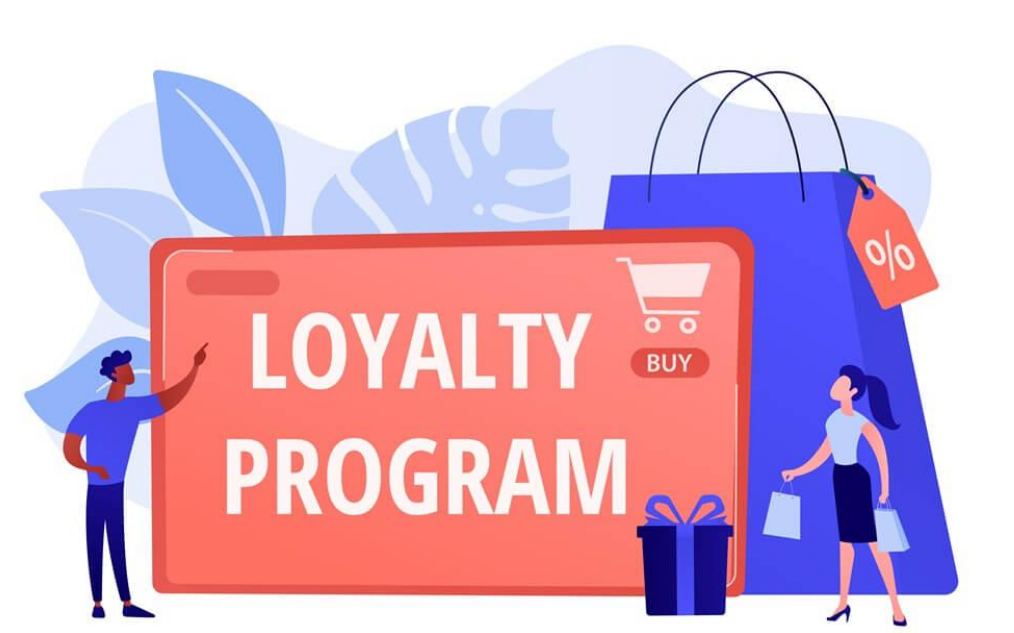
Walk into a coffee shop, open a shopping app, or book a hotel room online, and you'll probably run into some kind of loyalty program. A few years ago, these programs were mostly about collecting points and getting occasional discounts. Today, they're everywhere, and they're doing much more than handing out rewards.
Businesses have realized something important: getting a customer to buy once is hard, but getting them to come back again and again is where real growth happens. That's one reason loyalty programs have become such a big part of modern commerce.
Loyalty Has Changed a Lot
Older loyalty programs were simple. You bought something, earned a stamp or a few points, and eventually received a reward. There wasn't much strategy behind it.
Things look very different now.
A retailer can see what products customers buy most often. An online store can send a personalized offer based on browsing activity. A restaurant can reward frequent visitors without making them carry a physical card around. The basic idea remains the same, but the tools have become much smarter.
Interestingly, customers have changed as well. Many shoppers don't expect brands to simply sell products anymore. They expect brands to remember them, recognize them, and offer something extra for sticking around.
Why Loyalty Programs Are Suddenly Everywhere
Part of the answer is competition.
In many industries, customers can switch brands with very little effort. If one store doesn't offer a great experience, another store is usually just a few clicks away. Businesses know this, which is why they're investing more energy into keeping existing customers happy.
There's also the issue of rising marketing costs. Running ads, creating campaigns, and attracting new buyers often requires a significant budget. Keeping an existing customer engaged is usually less expensive than constantly finding new ones.
Consumer behavior has played a role too. People actively look for value. Sometimes that value comes from a lower price. Other times it comes from exclusive perks, cashback opportunities, early access to products, or member-only rewards. During periods of economic uncertainty, shoppers often pay closer attention to how they spend their money and look for ways to deal with unexpected expenses without stretching their budgets too far.
That's where loyalty programs fit in.
Not Every Loyalty Program Looks the Same
Businesses use different models depending on what they sell and how their customers shop.
- Points-Based Programs: This is still the most common format. Customers earn points when they spend money and redeem those points later for rewards. Most shoppers understand the concept immediately, which helps drive participation.
- Tiered Programs: Some companies introduce different membership levels. The more customers spend or engage, the higher they move within the program. Airlines and hotel brands have used this approach for years because people often enjoy the feeling of unlocking higher status and better benefits.
- Cashback Programs: Cashback rewards are straightforward. Instead of earning points, customers receive part of their spending back. Many shoppers like this model because the value feels immediate and easy to calculate.
- Subscription-Based Programs: These programs charge a recurring fee in exchange for benefits. Free shipping, exclusive discounts, and early product access are common examples. A customer who pays for membership often wants to make the most of it, which naturally increases engagement.
- Partner Reward Programs: Some businesses work together and allow customers to earn rewards across multiple brands. This flexibility often makes the rewards more attractive because customers have more ways to use them.
A Different Approach to Customer Rewards
Not every business wants to build a loyalty program from scratch. Setting up rewards, tracking customer activity, and managing redemptions can take time and resources.
That's one reason platforms like Bountii.sg have gained attention. The platform connects consumers with cashback offers and merchant rewards across different categories, helping businesses participate in a reward ecosystem without having to create everything themselves.
For smaller businesses, that can be a practical way to offer customer incentives while keeping operations manageable.
What Actually Happens When Customers Feel Rewarded?
A lot of business discussions around loyalty focus on numbers, but customer behavior tells an interesting story.
Imagine two online stores selling nearly identical products at similar prices. One offers nothing beyond the purchase itself. The other gives members points toward future rewards and occasional exclusive offers.
Which one is more likely to earn a second purchase?
In many cases, the difference isn't huge. A customer may not even notice the influence consciously. Yet those small incentives often encourage repeat visits. Over time, those repeat visits become habits.
That's where loyalty programs create value. They don't necessarily change every buying decision. Instead, they quietly influence hundreds of small decisions that add up over months and years.
There's another effect that businesses appreciate. Customers who feel connected to a brand often talk about it. They recommend products to friends, leave reviews, and share experiences online. Those actions are difficult to buy through advertising alone.
The Technology Behind Modern Loyalty Programs
Most people only see the reward.
Behind the scenes, technology does much of the heavy lifting.
Mobile apps allow customers to check rewards instantly. Automated systems track purchases without requiring manual effort. Data tools help businesses understand which offers are working and which ones are being ignored.
Artificial intelligence is becoming part of the picture as well. Instead of sending identical promotions to every customer, businesses can create offers that better match individual preferences.
The result is a loyalty experience that feels more personal than it did even a few years ago.
What's Working and What's Not
Despite their popularity, loyalty programs are not guaranteed to succeed.
A common mistake is making rewards too difficult to earn. Customers lose interest quickly when progress feels slow or confusing. Simplicity matters more than many businesses realize.
Another challenge is standing out. Most consumers already belong to multiple loyalty programs. Simply launching another one isn't enough. The rewards need to feel worthwhile.
Data privacy has also become a bigger topic. Customers are increasingly aware that loyalty programs collect information about shopping behavior. Businesses that communicate openly about how that information is used tend to build stronger trust.
One thing many companies learn the hard way is that bigger rewards don't always create better results. Sometimes a simple, relevant benefit generates more engagement than an expensive reward nobody actually wants.
Looking Ahead
Loyalty programs will probably become even more personalized over the next few years. Brands are experimenting with everything from gamified challenges to rewards tied to customer interests and lifestyle preferences.
The idea itself isn't changing. Businesses still want customers to return. Customers still appreciate being rewarded.
What's changing is how those rewards are delivered and how closely they're connected to the overall customer experience.
Conclusion
Loyalty programs have evolved far beyond punch cards and simple discounts. They now influence how customers interact with brands, how often they return, and how businesses build long-term relationships. As competition continues to increase across both physical and digital marketplaces, loyalty programs are becoming less of a bonus feature and more of a core business strategy. The brands that make loyalty feel genuine, useful, and easy to understand will be the ones most likely to keep customers coming back.