The Performance Gear That Serious Outdoor Enthusiasts Never Leave Behind
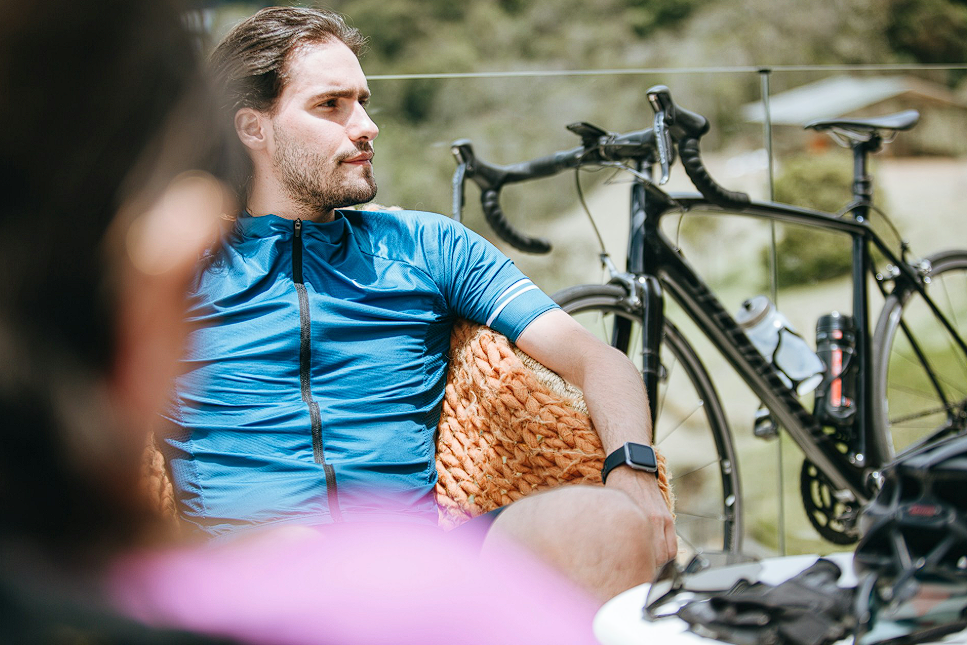
There is a difference between someone who goes running occasionally and someone who runs seriously. The kit tells you which one you are dealing with before they say a word. Not because serious outdoor enthusiasts are obsessed with gear for its own sake, but because they have spent enough time outside to understand which equipment genuinely changes performance and which of it is just expensive packaging.
Eye protection sits firmly in the first category. It is one of the last pieces of kit most people think about when building a serious outdoor setup, and one of the first things experienced athletes say they noticed when they finally got it right.
Why Eye Protection Is Taken More Seriously Than Most Beginners Expect
New runners and cyclists tend to focus on shoes, apparel, and nutrition. These are the obvious performance variables and they matter enormously. What tends to get added later, once outdoor training becomes a daily habit rather than an occasional effort, is proper eyewear.
The reasons are practical. Sustained wind exposure dries the eye surface rapidly, producing the gritty, uncomfortable sensation that builds across a long run or ride and becomes actively distracting. Glare from wet roads, open water, and low sun creates visual strain that tires the eye in ways that accumulate over a long session. Debris, insects, and airborne particles in trail and off-road environments pose a direct risk to the corneal surface that standard glasses are not designed to manage.
None of these are hypothetical inconveniences. They are the everyday realities of consistent outdoor training, and the right sports glasses address all of them in ways that standard fashion eyewear or leaving the eyes unprotected entirely does not.
What Makes Sports Glasses Different
Sports glasses are engineered for the specific demands of athletic use rather than adapted from a general eyewear template. The differences from standard frames are more significant than they appear from the outside.
The frame wraps further around the face, reducing the angle at which wind, UV, and debris can reach the eye from the sides and periphery. This is not a design flourish. It changes how much protection the lens actually provides relative to a standard frame where the side profile is largely open.
The lens coverage is larger than most fashion frames, which increases the protected area of the eye and the surrounding orbital region. Larger lens coverage also reduces peripheral light intrusion during movement, which is relevant for any activity involving speed or rapid directional change.
Frame materials in quality sports glasses are impact-resistant rather than just lightweight. Polycarbonate lenses meet the same standard. For cyclists, mountain bikers, and anyone whose activity involves a realistic risk of falling or impact, this is not an optional specification.
The nose bridge and temple design in sports-specific frames uses rubber or grippy materials that maintain frame position during movement and in wet conditions. A frame that slides down the nose during a hard interval or a trail descent is not performing its protective function properly, regardless of how good the lens is.
Lens Technology That Changes Performance
The lens technology in serious sports glasses has advanced considerably and the options available now are meaningfully different from a tinted lens in a wraparound frame.
Photochromic lenses that adjust tint automatically in response to UV intensity are particularly useful for athletes moving between shade and open exposure. A trail runner passing through woodland into open moorland and back again deals with dramatic light changes that a fixed tint lens handles poorly at one end or the other. A photochromic lens adjusts continuously and keeps vision consistent across the full range without the runner having to think about it.
Interchangeable lens systems allow athletes to carry two or three lens options and switch based on conditions. A high-contrast lens for overcast low-light conditions, a darker lens for full sun, and a clear lens for pre-dawn or dusk training covers most scenarios without requiring multiple complete pairs.
Lens tints tuned for specific environments go further. Rather than simply darkening the view, these lenses filter specific wavelengths to enhance contrast in particular conditions. Lenses designed for trail running enhance contrast between terrain surfaces. Lenses designed for open water enhance visibility through surface reflection. Lenses designed for road cycling optimise contrast between tarmac, road markings, and surrounding environment. The difference these make to what is actually visible in the relevant conditions is more significant than most people expect before experiencing it.
Prescription Sports Glasses: The Option Many Athletes Do Not Know Exists
A common assumption among athletes who need vision correction is that sports glasses are not compatible with their prescription, and the only practical option is contact lenses underneath standard sports frames. This is not accurate, and it is a gap in awareness that leads to a significant number of people managing a compromise they do not need to.
Prescription glasses in sports frame designs are widely available from major sports eyewear manufacturers. The prescription can be incorporated into most lens systems, including photochromic and tinted options, without compromising the optical performance of the lens or the protective function of the frame.
For athletes who wear contact lenses during sport, there are genuine reasons to reconsider whether that is the optimal approach. Dry, windy conditions are among the worst environments for contact lens comfort, and the same conditions that make sports glasses most valuable are the conditions where contact lens wear is most problematic. Dust and particles in trail environments carry a higher risk of getting beneath a contact lens than in an urban setting. Sweat running into the eyes during intense effort affects contact lens position and comfort in ways that sports glasses prevent entirely.
Prescription sports glasses do not suit every athlete in every situation. For many, particularly those training across long outdoor sessions in variable conditions, they remove a set of ongoing management problems that contact lens wear during sport creates.
The Gear That Experienced Outdoor Athletes Actually Use
Experienced outdoor athletes tend to have strong opinions about their eyewear because they have tried enough options to know what fails and what does not. The kit choices that survive several years of serious use are the ones worth paying attention to.
Wraparound frames with UV400-rated lenses are non-negotiable across almost every discipline. The peripheral coverage and UV protection standard is the baseline that everything else builds from.
Hydrophobic lens coatings that repel water and sweat maintain clear vision during high-intensity sessions and in wet conditions. On a lens that is uncovered and exposed to the elements during activity, this coating earns its place quickly.
Ventilated lens designs that reduce fogging are relevant for any high-intensity activity where the temperature difference between the athlete and the surrounding air is significant. A lens that fogs during a hard climb or a cold-weather run becomes a vision obstruction rather than a vision aid.
Anti-scratch coatings extend lens life considerably in sports use, where the lens is exposed to grit, sweat, trail debris, and regular handling that indoor eyewear never encounters. The investment in a quality sports glasses lens is only protected if the lens survives the environment it is going into.
A Final Thought
The athletes who take eye protection seriously are not being overcautious. They have simply spent enough time outdoors to experience what happens over a long session without it, and to notice what changes when the right equipment is in place. The eyes do not get a warm-up period or a recovery phase between sessions. The protection either exists or it does not, and cumulative UV exposure, wind damage, and the physical risks of unprotected eyes in an outdoor environment do not account for the sessions where the kit was left behind.
Sports glasses are not the most glamorous piece of outdoor kit. They are one of the most consistently useful ones, and the athletes who treat them that way tend to be the ones who have been at it long enough to know the difference.