The Real Estate Development Slowdown as Rising Land Costs and Zoning Challenges Reshape New Projects
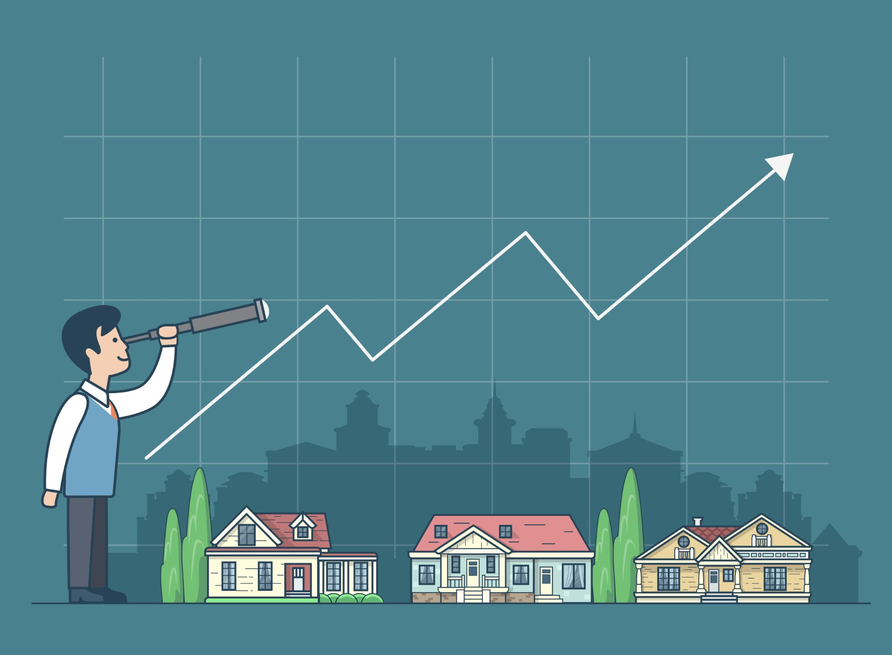
The real estate development industry has always had its ups and downs. The current market is really tough. The cost of land is going up. The process of getting the necessary permits is taking a long time. This is slowing down projects in different areas. Developers who used to be able to plan and buy land easily are now facing a more complicated situation.
The result is that the real estate development landscape is very different from what it was ten years ago. Projects are taking longer to get started. The way they are financed is becoming more complex. Many sized developers are struggling to compete. At the time, local governments and communities wanted to have more control over new developments. These changes are affecting how projects are planned, financed and carried out. In many markets, being successful is no longer just about finding the right property but also about navigating a very complicated system.
Rising Land Costs Are Changing the Economics of Development
Land has become one of the most expensive parts of real estate development. In cities and suburban areas that are growing, there is not enough land available to meet the demand. The population is large. There are more investments in infrastructure, which have led to higher land prices.
As the cost of land goes up, the profit margins for developers are getting smaller. Projects that used to be profitable are no longer viable. Developers have to consider not only the cost of buying the land but also the higher costs of construction, labor shortages and financing.
This is affecting independent developers the most. Large companies often have access to money and can handle delays more easily. Small local developers however are struggling to compete with investors who are willing to pay high prices. As a result, there is competition in many markets and fewer new projects are being started.
Mid-Sized Developers Are Facing the Greatest Pressure
The slowdown in real estate development is particularly tough for regional companies that have traditionally played a big role in shaping local neighborhoods. These developers do not have the resources of big national companies and they are managing projects that are too large to be very flexible.
John Swann, Founder of John Buys Your House, thinks that the rising cost of land is changing who can be a developer.
"We are seeing land prices become so high that they are pushing out the mid-sized developers who built this city's neighborhoods for decades. The developers who are still able to make deals are the ones who got in early. They are using seller financing, option agreements and phased closings. Because waiting for a good deal at a fair price is no longer a viable strategy."
This shift has encouraged developers to rethink the way they buy land. They are using creative deal structures to manage risk and preserve capital while keeping their projects going.
Creative Financing Is Becoming a Competitive Advantage

In today's real estate market, the developers who are successful are the ones who can structure deals in different ways. Buying land with cash is becoming less common as land prices are going up faster than the revenue from projects.
Seller financing allows developers to reduce their costs and spread payments over time. Option agreements give them the flexibility to secure land while they are getting approvals. Phased closings help them align their acquisition timelines with their development milestones and financing needs.
These strategies are not just about finance. They are becoming an advantage. Developers who can adapt quickly can keep their projects moving while others are stuck. In a market where there is a lot of uncertainty, being flexible is just as important as having capital.
The growing use of financing reflects a bigger reality. Developing real estate today requires a lot more than just finding a good site. It demands thinking at every stage of the process.
Zoning Challenges Are Slowing New Development
While the cost of land is a financial challenge, zoning regulations are another major obstacle. Many cities have approval systems that are designed to balance growth with community interests. Although these regulations serve purposes but they can significantly slow down development.
Applications for new development and public hearings can add months or even years to project timelines. Delays increase costs. It also creates uncertainty for investors and lenders.
In some cases, projects that seem viable when the land is bought become unworkable by the time the approvals are granted. As a result, developers have to evaluate the risk of not getting the permits just as carefully as they assess market demand.
The complexity of zoning has transformed real estate development from a construction process into a long-term regulatory challenge.
The Entitlement Process Has Become Central to Project Success
Getting the permits has always been part of real estate development, but now it often determines whether a project succeeds or fails. Developers have to navigate not only regulations but also community expectations and political considerations.
Jake Miakota, CEO at Subdivisions, believes that the entitlement process has become one of the industry's challenges.
“The entitlement process used to be a major headache. Now it is the whole business plan. Developers who understand how to sequence approvals, manage community pushback, and structure deals around zoning milestones are the ones keeping projects alive. Whereas everyone else is sitting on land that they have an option on, waiting for a window that may not open."
This perspective highlights a shift. Real estate development is no longer about being good at construction. Success is increasingly dependent on understanding government processes, engaging with stakeholders and planning for the term.
Developers Are Adapting Through Smarter Project Planning

Some developers are doing projects in phases. This helps them to reduce the risk of something going wrong. It also allows them to make changes as the market changes. Others are focusing on building in areas that already have roads and other important things. This makes it easier to get the approvals they need.
Developers are also using technology to help them make decisions. They are using computers to look at information and analyze the market. They are also using tools to try to predict what will happen. Even with all this technology, developers still cannot be completely sure what will happen. To be successful, developers need to balance being careful with knowing the rules and talking to the community.
Conclusion
Real estate development is getting really tough. The cost of land is going up and up. It is also very hard to get all the permits. Getting these permits is like a puzzle that is getting harder to solve every day.
However these problems are also creating chances for developers to do well. Companies that are good at finding money to fund their projects and talking to the community are able to get things done. They are also good at dealing with the rules and regulations that they need to follow to get their projects approved.

.jpg)