The Role of Custom Packaging in Protecting High-Value Products
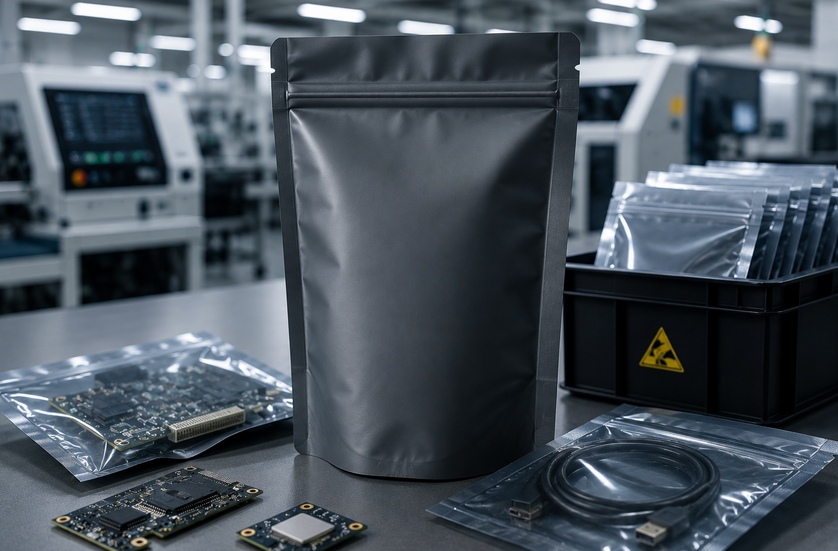
A shipment arrives, but something isn’t right. The product inside, high-value and carefully manufactured, has been scratched, compressed, or exposed to conditions it wasn’t designed to handle. In industries like electronics, new energy, and precision instruments, even minor damage can lead to rejected batches, delayed production, or costly warranty claims.
This is exactly why companies like EONSEN Pack, a reliable flexible packaging manufacturer in China, place such a strong focus on packaging performance from the very beginning. Because in practice, packaging decisions play a direct role in protecting product quality, controlling operational costs, and maintaining a company’s reputation across the supply chain.
Why High-Value Products Need More Than Standard Packaging
High-value products come with risks that standard packaging simply isn’t designed to manage. Electronic components can be damaged by static discharge before they’re even installed. Lithium battery materials may react to moisture during storage or transit. Precision instruments can lose calibration from slight vibration or impact.
The tricky part? Small issues don’t stay small for long. A minor scratch or brief exposure to humidity can turn into a full product failure. In many cases, the damage isn’t even visible until the product is tested or used.
That’s why packaging isn’t just about containment. It becomes part of the product’s lifecycle, protecting it through handling, storage, and transportation, often across multiple environments.
Where Off-the-Shelf Packaging Falls Short
So where do things start to break down? This is where standard packaging begins to show its limits.
Off-the-shelf solutions are built for convenience, not precision. Generic sizes often leave excess space inside the package, allowing products to shift during transit. That movement creates friction, impact, and internal stress, especially when goods are handled multiple times or stacked on pallets.
Material performance is another weak point. Standard packaging may not hold up under pressure, particularly in long-distance shipping or complex logistics chains. Compression during stacking, temperature changes, and repeated handling all increase the risk of damage.
Then there’s functionality. Most off-the-shelf options lack features like anti-static protection or moisture barriers, which are essential for sensitive products. Even common formats like basic flexible packaging, when not engineered for specific use cases, can fall short in providing the necessary protection. Add in inefficiencies like wasted space and higher shipping costs, and the “one-size-fits-all” approach quickly becomes a limitation.
What Custom Packaging Actually Solves
This is where custom packaging starts to make a difference. Instead of adapting the product to the packaging, the packaging is engineered around the product.
A tailored fit minimizes internal movement, reducing vibration and preventing friction-related damage. This is especially important for delicate components and precision items that can be affected by even small shifts during transit.
Material selection also becomes more intentional. Packaging can be designed with specific performance requirements in mind, whether that means anti-static layers for electronics, high-barrier films to block moisture and oxygen, or reinforced structures to handle weight and pressure. In many cases, engineered flexible packaging solutions are used to combine durability with lightweight efficiency, making them suitable for complex supply chains.
This approach is also reflected in how manufacturers like EONSEN Pack develop packaging systems that balance protection, material efficiency, and scalability based on product requirements.
Over time, these improvements lead to measurable results. Products arrive in consistent condition, return rates decrease, and less material is wasted on oversized or inefficient designs. More importantly, product integrity is preserved from production to final delivery.
Real Impact on Operations and Costs
When packaging is optimized, the benefits show up quickly in day-to-day operations. Lower damage rates mean fewer returns, fewer replacements, and less time spent on inspection, rework, and customer complaints.
There’s also a clear financial impact. While custom packaging may require a higher upfront investment, it often reduces long-term costs. Fewer damaged units translate directly into lower replacement expenses, and better-fit packaging improves shipping efficiency by reducing unused space.
Beyond that, it helps stabilize operations. Consistent packaging makes handling more predictable, whether products are stored in warehouses, moved through distribution centers, or shipped internationally. Over time, this reduces supply chain disruptions and supports better cost control.
Packaging as Part of a Smarter Supply Chain Strategy
It’s easy to think of packaging as the final step, but in practice, it plays a role across the entire supply chain. From production lines to storage systems to transportation, the right packaging supports consistency at every stage.
Standardized custom designs can improve packing speed, reduce handling errors, and work more smoothly with automated systems. This becomes especially important for businesses managing multiple SKUs or high-volume production.
Manufacturers such as EONSEN Pack often align packaging design with operational workflows, helping businesses streamline handling and improve overall efficiency.
When packaging is aligned with operations, it stops being a passive element and becomes part of a larger strategy. It supports efficiency, reliability, and scalability across the business.
Rethinking Packaging Before Problems Start
At the end of the day, packaging isn’t just about presentation. It’s about protection at every stage of the journey.
If there’s uncertainty around whether current packaging is doing enough, it’s worth taking a closer look. Small adjustments in design, materials, or structure can make a meaningful difference in performance and cost.
Because by the time packaging fails, the damage is already done. Businesses that treat packaging as a proactive decision, rather than a last-minute fix, are in a much stronger position to reduce risk, protect product value, and improve long-term outcomes.