The Role of Smart Technology in Modernising the Boating Industry
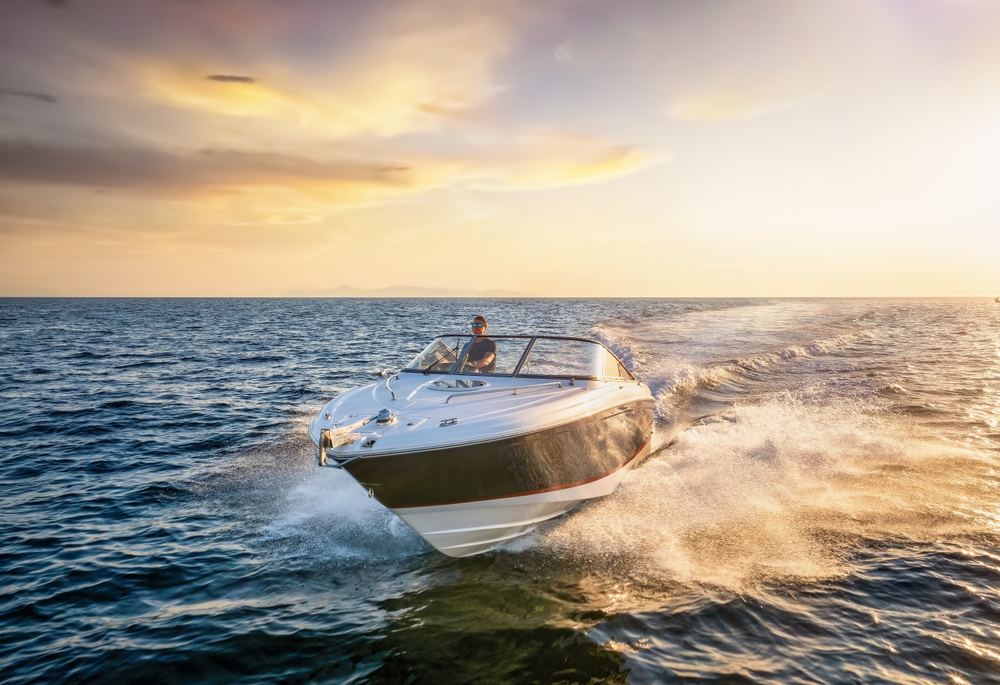
Modern boats are becoming more than just vehicles on water. They are now using smart technology to make everyday tasks easier, safer, and more efficient. From navigation systems to lighting and onboard equipment, technology is changing how boats are controlled and managed. One important part of this change is the use of touch control switches for marine applications. These controls can give boat operators a simple way to manage different functions while keeping the control area clean and easy to use. As marine technology continues to develop, smart control systems are becoming an important part of modern boating.
Smart Technology Is Changing Boat Control
Traditional boat controls often use mechanical switches, buttons, and separate control panels. While these systems can still be useful, modern boats need solutions that can support more functions in less space. Smart control technology helps meet this need by bringing different functions into easy-to-use interfaces. A well-designed control panel can help manage lights, pumps, blowers, and other equipment without making the dashboard crowded. This can make operation easier, especially when several systems need to be controlled from one area. As boats become more connected, control systems also need to work smoothly with other electronic equipment.
Why Simple Controls Still Matter
Advanced technology does not always mean that controls should become harder to use. In fact, simple operation is one of the most important features of modern marine equipment. Boat operators may need to control equipment quickly while dealing with changing weather, movement, or low-light conditions. Clear buttons and easy controls can help reduce confusion. Modern marine panels can also use illuminated controls so that buttons are easier to see when lighting is poor. This small feature can make a noticeable difference during evening trips or when operating equipment in darker areas of a boat.
Better Control in Different Conditions
Marine equipment faces conditions that are different from many indoor environments. Water, dust, temperature changes, and constant exposure to the outside environment can affect electronic and mechanical components. For this reason, marine control technology needs to be designed with these conditions in mind. Modern touch systems can use sealed designs that reduce the number of moving parts and help protect the control surface. Some advanced panels also offer high levels of protection against water and dust. These features can help marine controls remain dependable during regular use.
Touch Technology and the Modern Boating Experience
Touch technology is also changing how people interact with boat equipment. Instead of relying only on traditional mechanical movement, piezo touch technology can detect a user's input and provide a fast response. This can make controls feel smooth and modern while keeping the panel simple. Touch-enabled marine switches can also be designed to work with a hand or gloves, which can be useful in a marine setting. When combined with clear illumination and simple button layouts, touch controls can make important functions easier to access.
Flexible Systems for Different Needs
Every boat has different requirements. A small recreational boat may need simple controls for lighting and pumps, while a larger yacht may need a wider range of functions. Modern control systems can offer flexible options that allow functions to be adjusted according to the needs of the vessel. Some marine touch panels support different switching modes, including on/off, momentary, continuous, and timer-based functions. This flexibility allows one control system to support different tasks instead of requiring a separate type of switch for every function.
Connecting Controls With Other Systems
Smart marine technology is also moving toward better communication between different onboard systems. Communication protocols such as CAN Bus allow electronic devices to exchange information across a network. This can help different parts of a boat work together more efficiently. Optional connectivity features can also bring smart functions such as Bluetooth and remote management into marine control systems.
The Future of Marine Technology
The future of boating is likely to include even more connected and intelligent systems. Navigation, lighting, safety equipment, monitoring tools, and control panels can increasingly work together as part of one larger system. However, the goal should not simply be to add more technology. The most useful solutions are those that make boating easier without creating unnecessary complexity. Simple interfaces, reliable operation, flexible functions, and strong protection can all help technology provide real value on the water.
Smart technology can also help boat manufacturers create cleaner and more modern control areas. Instead of filling a dashboard with many separate switches, a well-planned control system can bring important functions together in a more organized layout.
Final Words
Smart technology is helping modern boats become easier to control, more connected, and better suited to everyday marine needs. Touch-based interfaces, flexible switching, strong protection, and system connectivity are all contributing to this change. As the boating industry continues to modernise, practical technology that combines simple operation with dependable performance will remain important.