The Strategic Power of Custom Jewelry Packaging
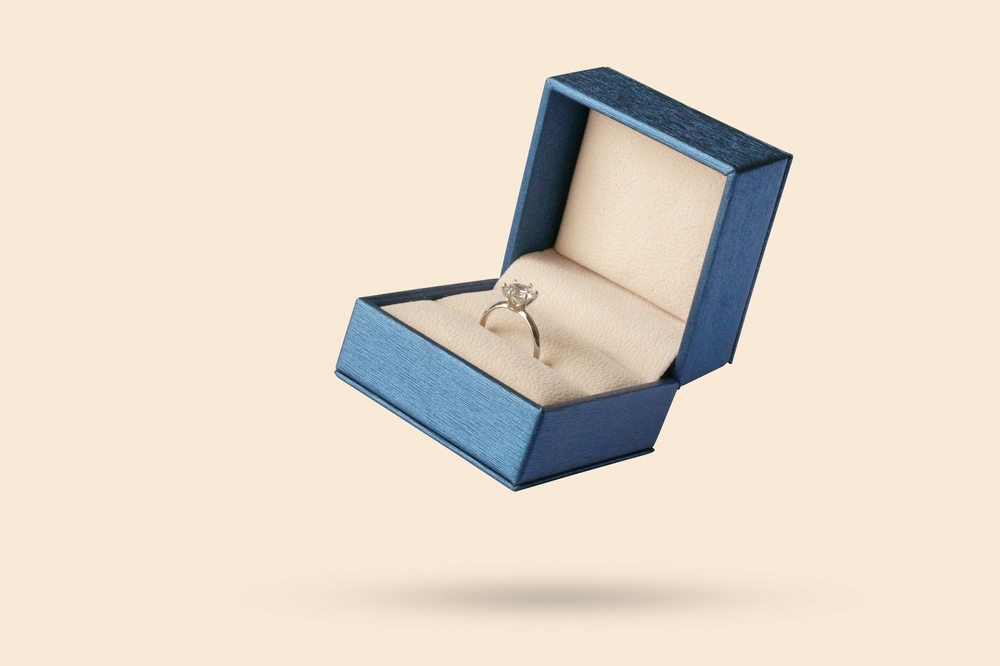
Jewelry is more than an accessory. It often represents love, memories, personal style, and special occasions. Whether customers purchase a delicate necklace, an elegant bracelet, or an engagement ring, they expect an experience that feels special from the moment they receive their order. This is where packaging becomes important. Attractive, practical, and thoughtfully designed packaging can help jewelry businesses create stronger customer relationships and build a recognizable brand.
Custom jewelry packaging is not simply about protecting products during storage and delivery. It is also a marketing tool that communicates brand identity, improves presentation, and adds value to the overall shopping experience. When businesses invest in packaging that reflects their products and values, they create opportunities to stand out in a competitive jewelry market.
1. Creating a Memorable First Impression
First impressions matter, particularly in the jewelry industry. Customers often associate beautiful presentation with product quality. Even when two businesses sell similar jewelry, thoughtful packaging can make one shopping experience feel more premium and memorable.
Imagine receiving a beautiful necklace inside a poorly designed plastic bag. Now imagine receiving the same necklace in an elegant box with a soft interior, attractive branding, and a carefully arranged presentation. The second experience feels considerably more special.
Packaging allows jewelry businesses to communicate quality before customers even see the product. Choosing suitable colors, textures, finishes, and structural designs helps create a consistent impression that matches the brand's personality.
For luxury jewelry, sophisticated finishes and minimalist designs may work well. Meanwhile, handmade jewelry brands might prefer natural textures and simple packaging that communicates creativity and authenticity.
2. Strengthening Brand Recognition
Building a recognizable jewelry brand takes time and consistent communication. Packaging provides another opportunity to introduce your business identity to customers.
Including your logo, brand colors, typography, and distinctive design elements makes your packaging easier to recognize. These details also help create consistency across different products and collections.
For example, a jewelry business that consistently uses elegant packaging with its signature colors can develop a recognizable visual identity. Customers may begin associating those design elements with the brand, making future purchases more familiar.
Businesses can also explore custom jewelry pouches with logo to create branded packaging for necklaces, bracelets, earrings, and other small accessories. These pouches offer a practical way to display brand identity while giving customers something useful for storing and carrying their jewelry.
The key is consistency. Your packaging should complement your website, product photography, shopping bags, and other brand materials.
3. Protecting Jewelry During Storage and Delivery
Although appearance is important, packaging must also perform its primary function: protecting jewelry.
Jewelry pieces can be delicate. Chains may become tangled, earrings can get separated, and polished surfaces may develop scratches if products are not stored properly. Shipping also introduces additional risks, including movement, pressure, and accidental impacts.
The right packaging design helps reduce these problems.
Consider these practical packaging features:
- Soft interiors: Velvet, foam, or fabric-lined inserts help protect delicate surfaces.
- Individual compartments: Separate sections prevent different jewelry pieces from rubbing against each other.
- Secure closures: Well-designed lids and fasteners help keep products in place.
- Protective outer packaging: Strong shipping boxes provide an additional layer of protection during transportation.
Businesses should select materials and inserts according to their jewelry types. For instance, a necklace may require a holder that prevents tangling, while rings benefit from specially designed slots.
Good protection reduces avoidable product damage and helps customers receive their purchases in excellent condition.
4. Increasing the Perceived Value of Products
Presentation can influence how customers perceive a product. This does not mean expensive packaging automatically makes jewelry valuable. Instead, packaging should reinforce the quality, craftsmanship, and positioning of the product inside.
A handmade silver necklace presented in a carefully designed box can feel more suitable for gifting. Similarly, a premium bracelet displayed in a structured box with a soft insert creates a more polished presentation.
Material selection plays an important role here. Rigid boxes, textured paper, fabric pouches, and magnetic closures offer different presentation possibilities.
However, businesses should avoid choosing packaging simply because it looks expensive. The design should match the product's actual price range and customer expectations. A simple, well-made package can communicate quality more effectively than an overly complicated design.
5. Improving the Unboxing Experience
Online jewelry shopping has made packaging even more important. Customers cannot physically examine products before purchasing, so the delivery experience becomes a valuable opportunity to build confidence and satisfaction.
A thoughtful unboxing experience can make receiving an order feel exciting. Small details, such as neatly arranged products, personalized thank-you cards, protective wrapping, and attractive boxes, can make customers feel appreciated.
Businesses can improve this experience without introducing unnecessary packaging layers.
For example, include a small care card explaining how customers can clean and store their jewelry. A simple thank-you message can also make the interaction feel more personal.
Customers who enjoy their unboxing experience may choose to share photographs or videos on social media. Although sharing is never guaranteed, attractive packaging gives customers another reason to engage with a brand.
6. Supporting Seasonal Promotions and Special Occasions
Jewelry is closely connected with celebrations, including birthdays, anniversaries, weddings, Valentine's Day, and holidays. Packaging can help businesses make these occasions more meaningful.
Creating seasonal packaging allows brands to introduce fresh designs without changing their entire product range.
For example, a jewelry store might use elegant red accents for Valentine's Day or sophisticated gold details for wedding-related collections. Limited-edition packaging can also make selected collections feel distinctive.
However, seasonal designs should remain connected to the brand's overall identity. Businesses should consider ordering quantities carefully to avoid unnecessary inventory after promotional periods end.
7. Choosing the Right Materials and Design
Selecting suitable packaging requires balancing appearance, protection, cost, and sustainability.
Common options include cardboard, rigid paperboard, kraft paper, velvet, cotton, and reusable fabric. Each material offers different benefits depending on the product and intended presentation.
Businesses interested in reducing packaging waste can consider recyclable paperboard, reusable pouches, and responsibly sourced materials. They should also evaluate coatings, adhesives, and mixed-material components because these can affect recyclability.
Before finalizing a design, consider the following questions:
- Does the packaging protect the jewelry properly?
- Does its appearance match the brand?
- Is it convenient for customers to open and store?
- Are the materials suitable for the intended use?
- Does the total packaging cost fit the business budget?
Requesting samples before placing a large order is a practical way to evaluate material quality, dimensions, printing, and construction.
8. Making Packaging a Smart Business Investment
Custom packaging involves an upfront cost, but businesses should evaluate its value beyond the purchase price. Well-designed packaging can support brand recognition, reduce product damage, improve presentation, and create a more consistent customer experience.
The investment should still make financial sense. Small businesses can begin with a limited selection of packaging sizes and designs instead of ordering several variations immediately.
Compare suppliers based on minimum order quantities, customization options, material quality, production timelines, sample availability, and shipping costs. A lower unit price is not always the best deal if the packaging arrives with printing errors or inconsistent construction.
Working with an experienced packaging supplier such as PackFancy can help jewelry businesses explore customized designs, materials, and branding options according to their requirements. Reviewing samples and confirming specifications before production can make the ordering process more reliable.
Conclusion
Custom jewelry packaging is a strategic part of building a successful jewelry business. It protects delicate products, strengthens brand identity, improves perceived value, and makes the customer experience more memorable.
The most effective approach is to create packaging that combines attractive presentation with practical functionality. By selecting suitable materials, incorporating consistent branding, and understanding customer expectations, jewelry businesses can turn an ordinary package into a meaningful brand experience. Ultimately, thoughtful packaging helps customers remember not only the jewelry they purchased but also the brand that delivered it.