The Unseen System: Scaling Your Physical Operations with AI

Managing physical operations is a challenge for even the most organized teams. However, as operations scale, it can become even harder to manage everything. Increased orders and headcount are hallmarks of a thriving business, but they can also make it harder to find essential tools, equipment, and supplies.
This is where the “unseen system” reveals itself. It’s an invisible layer that governs how your team keeps equipment, inventory, and workflows in sync. The secret is that most businesses don’t intentionally build unseen systems: teams simply run on autopilot until something breaks.
Fortunately, AI and QR-based workflows can make this unseen system both explicit and scalable. The right QR code inventory management system will also help your team create a real-time model of their physical world. Learn how unseen systems make businesses less efficient, and why AI-enabled systems are the key to better physical operations.
The Real Cost of Manual Asset and Inventory Management

Poor tracking habits may slip by unnoticed, especially when your business is small. Spreadsheets, whiteboards, file folders, and shared drives might work for tracking a handful of items. But as you grow, these manual methods will collapse under their own weight.
Manual asset and inventory management costs your business in several ways.
Time and Rework
Without a centralized equipment management solution, teams waste hours hunting for tools and supplies. Employees have to fill in missing details from memory, and the same questions echo across Slack: “Who has it?” “Where was it last seen?” This search-and-rebuild loop quietly drains productivity, and it compounds with every new hire and every new storage location.
2. Stockouts and Overstock
Bad data leads to bad purchasing decisions. Without reliable QR code inventory management, teams reorder items they already have or run out of critical supplies at the worst possible time. Manual lists can’t keep pace with real consumption patterns or equipment that moves across job sites or campuses.
3. Compliance and Safety Risk
Misplaced equipment can also create job site hazards. Missing calibration records, unlogged maintenance, or outdated safety checks create compliance gaps that expose you to fines and audits. A manual process can’t reliably support equipment management software standards or the rigor needed for regulated environments. A modern fixed asset system built around AI recognition clarifies maintenance histories and stores them for you, helping you stay compliant at every turn.
4. Lost Opportunities
When leadership can’t see inventory levels or equipment utilization across the business, planning is little more than guesswork. Growth stalls when your team lacks visibility, and that ripple effect extends across the business.
Manual tracking hides inefficiencies that an AI-powered, QR code asset management platform would reveal instantly. That’s the unseen cost of manual work: the innovation you don’t pursue, the clients you can’t take on, and the bottlenecks you never knew you had.
Why Digital Systems Still Don’t Scale

Even when you “upgrade” from spreadsheets to basic inventory management software, you might discover the same problems persist. The tools might look more official, but they still require the weakest link in any tracking workflow: manual data capture.
That’s the frustrating reason why switching to a digital system isn’t the answer. Many digital systems fail to scale because of:
- Steep learning curves: If a system is hard to use, people won’t access it consistently. Complex interfaces and rigid requirements slow work down and create resistance. Teams will revert to paper notes or verbal updates, which defeats the purpose of having an equipment management solution in the first place.
- Poor mobile experience: Not all digital systems work on the go. If the mobile experience is clunky or requires multiple steps to log a single item, your team won’t use it.
- Data decay: When people need to manually update locations, rename items, or assign new categories, your information won’t stay up to date.
Most teams assume their database is the problem. But the real bottleneck is the human data entry step required by most digital systems. No matter how advanced the interface is, people don’t have time to type full descriptions or update locations every time something moves.
That’s where AI changes the equation.
The Why of AI for Physical Operations
AI is a game-changing tool for managing physical assets. AI-driven management uses computer vision and machine learning to automatically identify and classify items and suggest metadata based on images and context. Instead of relying on people to type accurate descriptions or remember where something lives, AI turns the camera into the primary data-capture tool.
AI streamlines physical operations in so many ways, including:
- Visual recognition: Whether it's tools, lab equipment, SKUs, production gear, or MRO components, AI can recognize items on sight without manual lookup. It reduces human error for inventory tracking in fast-moving environments.
- Automatic classification: AI instantly suggests names, categories, and attributes, which makes items searchable the moment they’re added. Automated classification also strengthens reporting and reduces friction across any equipment tracking system.
- Demand and usage prediction: AI can spot patterns in how items move across teams, job sites, or labs. This feature improves forecasting, prevents stockouts, and helps leaders understand actual capacity.
What “App-Less QR” Really Means
AI helps businesses become more efficient, but not all AI is created equally. Most AI platforms force workers to download an app, sign in, navigate menus, and learn a new interface before they can get to work.
Platforms like Scanlily take a different approach with an app-less, QR code inventory system. While it has an app for adding items and performing complex tasks, most workers simply scan a QR code with their phone’s native camera and land directly on a web-native item page or workflow to take action on an item. It’s everything employees need in the moment, without the learning curve of traditional tools.
5 Use Cases for Scaling with AI and QR Codes
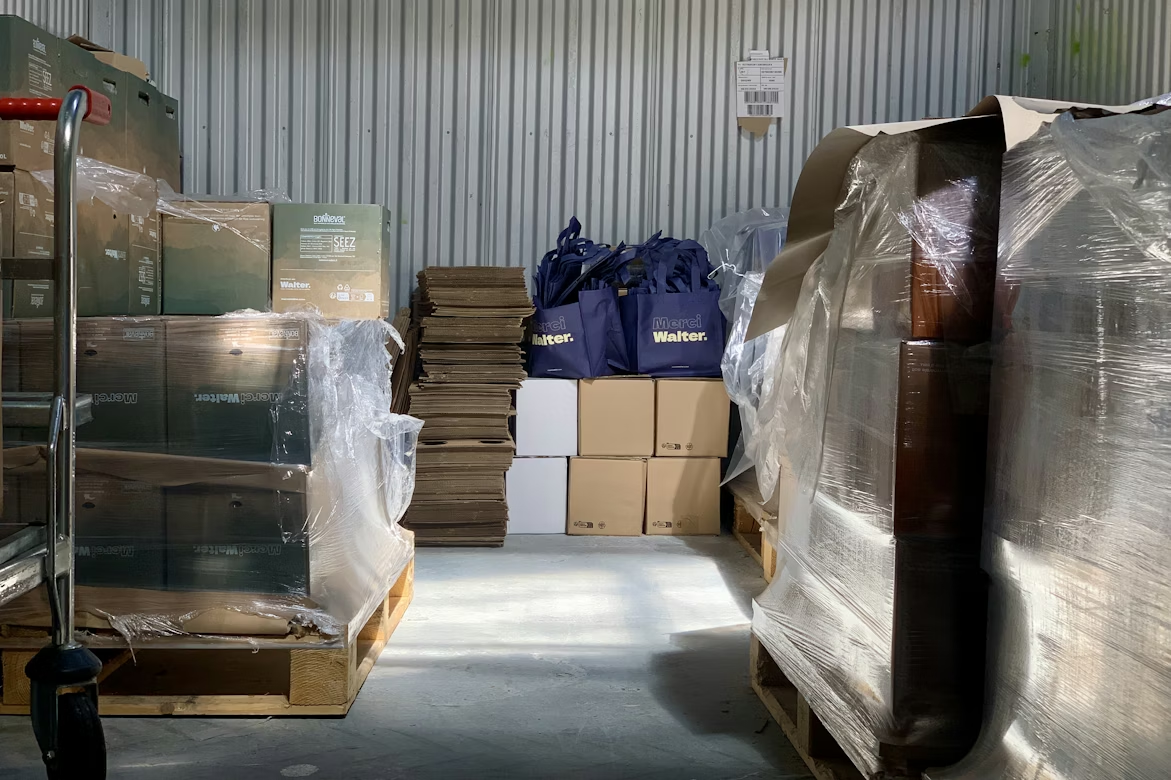
Whether you’re managing tools across the field or trying to improve compliance, a QR code asset management workflow adapts instantly to how real teams work.
1. New Warehouse or Site Launch
Launching a new location usually requires weeks of labeling, naming, and cataloging. With an AI-enabled approach, teams place tags on shelves, rooms, and equipment, then let AI and QR code item tracking do the heavy lifting. As workers scan and interact with the space, AI refines names, categories, and metadata, creating an accurate QR code inventory system without the painful upfront setup.
2. Field Service and Construction
In fieldwork, tools and consumables move constantly between trucks and job sites. With QR tags on cases, bins, and equipment, crews can use the AI to track movement in seconds. This process improves accountability for high-value gear and reduces MRO losses tied to missing equipment.
3. Retail or Light Manufacturing
Manufacturing teams need accurate information for receiving, picking, and packing. AI recognition and equipment-tracking systems validate items and quantities the moment they arrive or depart a station. This process reduces shrink, prevents mis-picks, and gives growing teams the visibility they need to do a good job.
4. Compliance
In regulated environments, every piece of equipment needs a clear paper trail. Attaching a QR code to tools or machinery gives employees instant access to AI-generated checklists, service history, calibration notes, and documents. Instead of digging through binders or shared drives, employees scan and land directly on the item’s profile. These steps strengthen audits and safety without adding administrative load.
Build the System Your Team Needs
Clarity is a must for business growth. Unfortunately, your unseen systems will eventually outgrow spreadsheets and shared drives. Instead of experiencing expensive growing pains, more organizations are embracing AI and QR code item tracking. With this setup, teams finally have a way to understand and trust their physical world.
The right tool makes all the difference. Go with an option that turns your invisible layer into something durable and collaborative. Instead of relying on humans to remember every detail, AI handles the heavy lifting, while workers simply confirm and move on.
See what’s possible with QR codes and AI: Learn about Scanlily’s features.