Victorian British Heirloom Jewellery vs Edwardian British Heirloom Jewellery: Which Era Offers Better Investment Value?
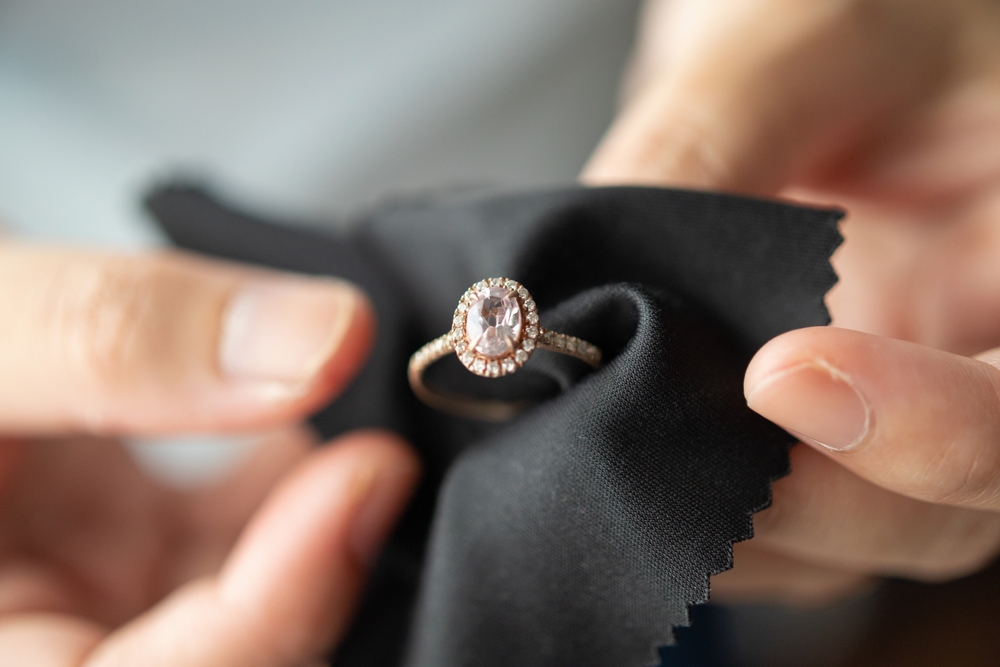
Investing in British Heirloom Jewellery can be a rewarding venture, offering both aesthetic pleasure and potential financial gain. Two of the most sought-after periods in this domain are the Victorian and Edwardian eras. Each era presents unique characteristics and appeals that can influence an investor's decision. This article aims to unpack the distinct features of Victorian and Edwardian jewellery, analyze their market trends, and assess their investment potential. By understanding these nuances, collectors can make informed decisions about where to place their investments in heirloom jewellery.
Victorian British Heirloom Jewellery: Characteristics and Market Trends
The Victorian era, spanning from 1837 to 1901, is characterized by its intricate designs and diverse styles, reflecting the monarch's long reign. Victorian jewellery often features sentimental motifs, such as hearts, flowers, and serpents, crafted in gold and adorned with gemstones like garnets and opals. This era's jewellery is known for its craftsmanship and historical significance, which enhances its desirability among collectors. Additionally, British Heirloom Jewellery offers a unique blend of history and artistry that captivates collectors.
Market trends indicate that Victorian jewellery remains popular due to its historical allure and romantic symbolism. Collectors often seek pieces from this era for their unique designs and the story they tell. A recent study by the Antique Jewellery Company highlighted a steady increase in demand for Victorian pieces, noting their resilience in the market.
Moreover, the Victorian era's jewellery appeals to those interested in sentimental value, making it a solid investment option for collectors who appreciate its historical context. The era's blend of elegance and emotional resonance continues to captivate buyers, preserving its market relevance.
Edwardian British Heirloom Jewellery: Distinct Features and Investment Appeal
Edwardian jewellery, created during the reign of King Edward VII from 1901 to 1910, is renowned for its sophistication and delicate designs. This period saw the rise of platinum as a favored metal, paired with diamonds and pearls to create light, airy pieces. The Edwardian era is marked by its intricate filigree work and lace-like patterns, which are highly coveted by collectors.
The investment appeal of Edwardian jewellery lies in its timeless elegance and craftsmanship. Recent analysis from the Jewellery History Association suggests that the demand for Edwardian pieces has consistently grown, driven by their unique aesthetic and rarity.
Collectors are drawn to Edwardian jewellery for its sophisticated designs and the quality of materials used. The era’s focus on intricate details and high-quality craftsmanship makes it a compelling choice for those investing in heirloom jewellery.
Comparative Analysis of Victorian and Edwardian Jewellery for Collectors
When evaluating Victorian and Edwardian jewellery, collectors must consider several factors, including design complexity, material quality, and historical significance. Victorian pieces offer sentimental value and diverse styles, while Edwardian jewellery is prized for its elegance and craftsmanship.
A thorough User Flow Optimization analysis can help collectors understand how different eras influence buying behavior. Collectors often use Heatmap Analytics Tools to assess which styles attract more attention, providing insights into current market preferences and potential investment returns.
Edwardian jewellery may offer a higher engagement rate due to its refined designs and use of premium materials, making it attractive to discerning buyers. In contrast, Victorian jewellery appeals to those seeking emotional and historical connections, offering a different type of investment value.
Factors Influencing Investment Value in Heirloom Jewellery Across Eras
Several factors influence the investment value of heirloom jewellery, including rarity, condition, and provenance. The Churn Rate Metric can help assess the turnover of jewellery pieces in the market, providing insights into the stability of investment value over time.
Brand Equity Measurement is crucial in determining a piece’s value based on its historical significance and reputation. Pieces with documented provenance and historical importance usually command higher prices, making them desirable investments.
Moreover, understanding the Customer Journey Mapping can provide insights into the buying behaviors and preferences of collectors, aiding in predicting future market trends. Investors must consider these factors when evaluating the potential return on investment of jewellery from either era.
Conclusion
Investing in British Heirloom Jewellery requires a nuanced understanding of the characteristics and market dynamics of the Victorian and Edwardian eras. Each period offers unique investment potentials based on design, craftsmanship, and historical significance. Collectors who appreciate sentimental value may favor Victorian pieces, while those attracted to elegance and craftsmanship might opt for Edwardian jewellery. By leveraging insights from tools like Heatmap Analytics and Brand Equity Measurement, investors can make informed decisions, potentially enhancing their portfolio's value and diversity.