What Causes Drain Pipes to Crack or Collapse Over Time?
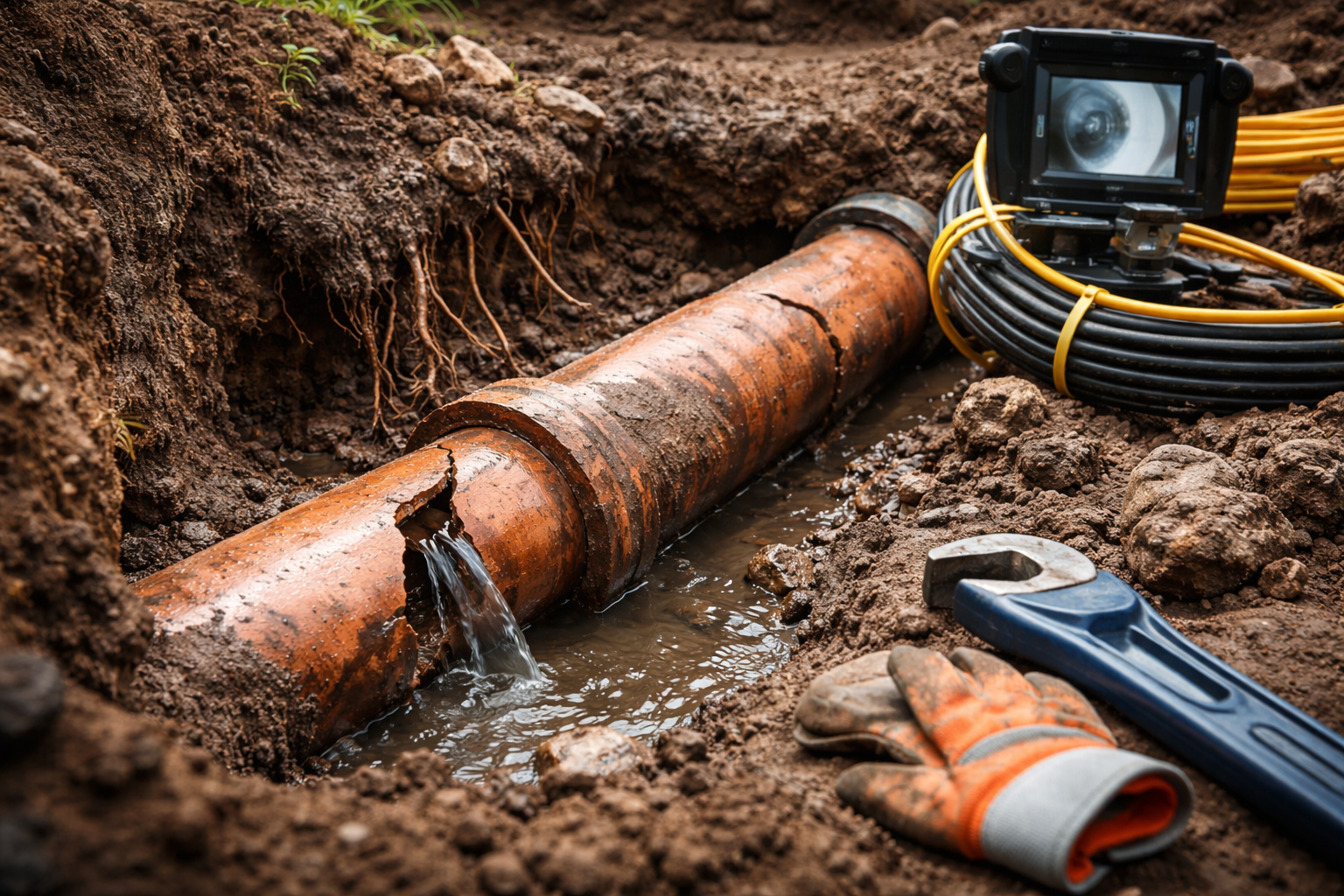
Drain pipe damage is one of the most serious yet frequently overlooked issues affecting both residential and commercial properties, particularly in areas where problems such as blocked drains Chichester homeowners experience are common. Because most drainage systems are hidden underground, issues often develop out of sight until they begin to disrupt everyday use. What may start as a minor defect can quickly escalate into a major failure, leading to repeated blockages, slow drainage, and increasingly costly repairs.
When a drain pipe begins to crack or collapse, the consequences can extend far beyond simple inconvenience. Leaks may allow wastewater to escape into surrounding soil, causing foul odours, damp patches, and even contamination. In more severe cases, prolonged damage can contribute to ground instability, putting pressure on foundations and increasing the risk of structural issues within the property.
In many situations, these problems do not occur suddenly. Instead, they develop gradually over time due to a combination of environmental factors, material ageing, and external stress. Because the early signs are often subtle, they are easy to ignore until the damage becomes more extensive. This is why experienced specialists such as DrainBoss emphasise early detection and professional assessment, helping property owners address drainage issues before they develop into costly and disruptive failures.
What Happens When a Drain Pipe Cracks or Collapses?
When a drain pipe becomes damaged, its ability to carry wastewater efficiently is immediately compromised. Even a small crack can allow water to escape into the surrounding ground, while also letting soil, debris, or roots enter the pipe. This disrupts the normal flow and creates the conditions for further deterioration over time.
There is an important distinction between partial damage and a full collapse. A cracked or slightly deformed pipe may still allow water to pass through, but not as effectively as intended. In contrast, a collapsed drain usually means that a section of the pipe has lost its structural integrity entirely, restricting or completely blocking the flow of wastewater. This often results in immediate and noticeable issues within the property.
As damage progresses, the impact on drainage performance becomes more severe. What begins as a minor defect can quickly evolve into a major obstruction or leak. Common consequences include:
- Reduced flow capacity, leading to slow-draining sinks, showers, or toilets
- Build-up of waste and debris around damaged sections of pipe
- Leakage of wastewater into surrounding soil, causing unpleasant odours
- Increased pressure within the system, accelerating further cracks or deformation
- Eventual blockage or complete failure of the drainage line
Even a small crack should never be ignored. Over time, constant water flow, shifting soil, and internal pressure can widen the damage, turning a manageable issue into a costly repair. Acting early is essential to prevent minor defects from developing into full pipe collapse and widespread drainage problems.
The Most Common Causes of Drain Pipe Failure
Drain pipe damage rarely occurs without reason. In most cases, failure is the result of several contributing factors working together over time. Understanding these underlying causes helps explain why even well-installed systems can eventually deteriorate if not properly maintained.
Ageing Pipe Materials
Many older properties across the UK still rely on drainage systems made from clay or cast iron. While these materials were widely used and considered durable at the time of installation, they are far more vulnerable to long-term wear compared to modern alternatives.
Clay pipes can become brittle with age, making them prone to cracking under pressure or movement. Cast iron, on the other hand, is susceptible to corrosion, particularly when exposed to constant moisture and chemical waste. As these materials degrade, their structural integrity weakens, increasing the likelihood of fractures, misalignment, or complete collapse.
Ground Movement and Soil Shifts
The ground surrounding a drainage system is never completely stable. Changes in soil conditions can place significant stress on underground pipes, especially over extended periods.
Factors such as heavy rainfall can oversaturate the soil, causing it to expand, while prolonged dry spells may lead to shrinkage and subsidence. Additionally, vibrations from nearby traffic or construction work can gradually shift the position of pipes. These movements may seem minor, but over time they can lead to cracks, joint separation, or deformation of the pipe structure.
Tree Root Intrusion
Tree roots are one of the most common and destructive causes of drain damage. Roots naturally seek out moisture, and even the smallest crack or joint in a pipe can provide an entry point.
Once inside, roots continue to grow and expand, gradually obstructing the flow of wastewater. As they thicken, they exert pressure on the pipe walls, forcing cracks to widen and weakening the structure. In severe cases, root intrusion can completely block or break apart sections of the drainage system.
Poor Installation Practices
Not all drainage systems are installed to the same standard, and issues during installation can significantly reduce the lifespan of a pipe network.
Incorrect pipe gradients can lead to poor flow, allowing waste to settle and accumulate. Weak or improperly sealed joints create vulnerable points where leaks and root intrusion can occur. In some cases, the use of low-quality materials or inadequate bedding can leave pipes unsupported, making them more susceptible to movement and damage.
Persistent Blockages and Pressure Build-Up
Repeated blockages place ongoing stress on a drainage system. When waste, grease, or debris accumulates inside the pipe, it restricts flow and increases internal pressure.
This pressure can gradually weaken pipe walls, particularly in older or already compromised systems. Over time, the strain may lead to cracks or cause joints to fail. In extreme situations, the build-up can contribute directly to pipe deformation or collapse, especially when combined with other external factors.
External Factors That Can Accelerate Damage
Even a well-installed and properly functioning drainage system is not immune to external influences. Over time, environmental conditions and external pressures can place additional strain on underground pipes, significantly increasing the risk of cracks, deformation, or collapse. These factors often act gradually, making the damage difficult to detect until it becomes more serious.
Below is an overview of the most common external factors that can accelerate drain pipe deterioration:

What makes these factors particularly challenging is that they often occur independently of the drainage system itself. A pipe may be structurally sound, but continuous exposure to external stress can gradually weaken it over time. Without proper monitoring or maintenance, even a reliable system can begin to fail under these conditions, leading to unexpected and potentially costly problems.
Early Warning Signs You Should Never Ignore
Drain pipe damage rarely happens without warning. In many cases, the system will show subtle signs of distress long before a serious failure occurs. Recognising these early indicators can make a significant difference, allowing issues to be addressed before they escalate into more complex and costly repairs.
One of the most common warning signs is slow drainage. If water begins to take longer than usual to clear from sinks, baths, or toilets, it may indicate a developing restriction within the pipe. While this is often dismissed as a minor inconvenience, it can be an early sign of internal damage or partial collapse.
Recurring blockages are another clear signal that something is not functioning as it should. If a drain repeatedly becomes blocked despite being cleared, this suggests an underlying structural issue rather than a simple build-up of debris. In such cases, the problem is likely to worsen over time if left unresolved.
Unpleasant odours should also never be ignored. A persistent smell of sewage or dampness, particularly around drains or outside areas, can indicate that wastewater is escaping through cracks or pooling due to restricted flow. This not only affects comfort but may also pose hygiene concerns.
Visible signs within the property can also point to hidden drainage problems. Damp patches, mould growth, or unexplained moisture on walls and floors may be caused by leaking pipes beneath the surface. Outdoors, sinking ground, soft patches, or even small cracks in driveways and pathways can suggest that soil is being washed away due to a damaged drain.
Acting on these warning signs at an early stage is crucial. What begins as a relatively minor issue can quickly develop into a major structural problem if ignored. Prompt investigation and repair not only prevent further damage but also help to keep costs under control, avoiding the need for more extensive and disruptive work later on.
How the Cause of Damage Is Diagnosed
Identifying the exact cause of drain pipe damage is a critical step before any repair work is carried out. Without accurate diagnosis, there is a risk of treating only the symptoms rather than resolving the underlying issue. Modern drainage professionals rely on advanced, non-invasive methods to assess the condition of pipework quickly and precisely.
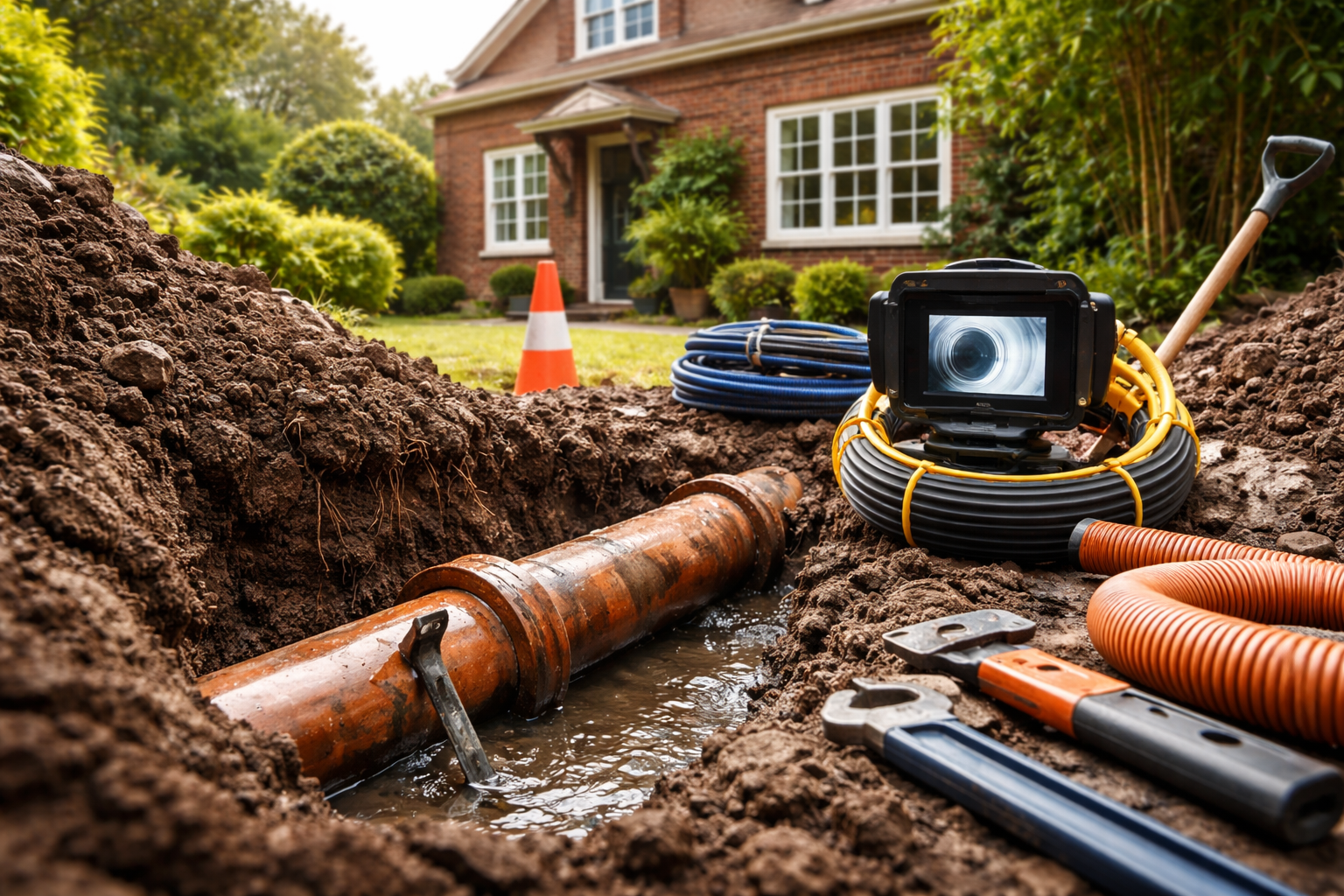
One of the most effective tools used today is CCTV drain inspection. This involves inserting a specialised camera into the drainage system, allowing a detailed, real-time view of the interior of the pipes. The footage reveals cracks, blockages, root intrusion, misaligned joints, or collapsed sections, all without the need for disruptive excavation.
This technology makes it possible to pinpoint the exact location and severity of the problem. Instead of relying on guesswork or unnecessary digging, technicians can identify the precise section of pipe that requires attention. This targeted approach not only speeds up the repair process but also reduces labour, cost, and disruption to the property.
Minimising excavation is a key advantage of modern diagnostics. In many cases, only a small, localised area needs to be accessed, rather than large sections of ground being dug up. This is particularly important for properties with driveways, landscaping, or structural features that would otherwise be affected.
Accurate diagnosis ensures that the most appropriate repair method is selected from the outset. Whether the issue requires a minor internal fix or more extensive intervention, having a clear understanding of the problem helps avoid unnecessary work and ensures a longer-lasting solution.
Repair Methods for Cracked or Collapsed Drains
Once the cause and extent of the damage have been accurately identified, the next step is selecting the most appropriate repair method. The solution will depend largely on how severe the damage is, as well as the condition of the surrounding pipework. In many cases, modern techniques allow repairs to be carried out with minimal disruption.
The most common repair options include:
- Drain relining. This method involves inserting a resin-soaked liner into the existing pipe, which is then inflated and left to cure. Once hardened, it forms a new, durable lining within the original pipe. Relining is ideal for cracks, minor fractures, or small areas of deterioration where the pipe structure is still largely intact.
- Localised patch repairs. For isolated damage, such as a single crack or small break, a patch repair can be applied internally. This technique targets only the affected section, sealing the defect without the need to treat the entire pipe. It is a cost-effective and efficient solution for minor issues.
- Full pipe replacement (excavation). In cases where the pipe has severely collapsed or multiple sections are compromised, excavation may be necessary. This involves digging down to the damaged area, removing the old pipe, and installing a new one. Although more disruptive, it is sometimes the only viable option for restoring full functionality.
Choosing the right repair approach is essential. Minor damage can often be resolved quickly using non-invasive methods, while more advanced deterioration may require more extensive work. A thorough diagnosis ensures that the solution matches the severity of the problem, helping to avoid unnecessary costs and ensuring a long-lasting result.
Preventing Drain Pipe Damage Over Time
While some degree of wear is inevitable, many drainage problems can be avoided with the right approach to maintenance and care. Preventing damage is not only more cost-effective than repairs, but it also helps ensure the long-term reliability of the entire system.
Regular inspections play a key role in identifying potential issues before they become serious. Periodic checks, particularly in older properties or areas with a history of drainage problems, can reveal early signs of wear, misalignment, or obstruction. Addressing these concerns at an early stage significantly reduces the risk of major failure.
Managing vegetation around your property is equally important. Trees and large shrubs should be monitored carefully, especially if they are located near underground pipework. Root systems can extend much further than expected, and without proper control, they may eventually interfere with the drainage system.
Everyday use also has a direct impact on the condition of drain pipes. Avoiding the disposal of inappropriate materials such as grease, wipes, or solid waste helps maintain a clear and balanced flow. When pipes are used as intended, there is less strain on the system, reducing the likelihood of internal pressure build-up and long-term damage.
Finally, small problems should never be ignored. A minor blockage, a slight change in drainage speed, or an occasional odour may seem insignificant, but these are often early warning signs of a developing issue. Taking prompt action can prevent further deterioration, helping to avoid more extensive repairs and unnecessary disruption in the future.
Conclusion
Drain pipe damage is rarely the result of a single issue. In most cases, it develops gradually through a combination of ageing materials, ground movement, external pressure, and ongoing stress within the system. What begins as a minor crack or slight misalignment can escalate over time, especially when early warning signs are overlooked. Ignoring these indicators often leads to more extensive damage, higher repair costs, and greater disruption to the property.
Taking a proactive approach is essential. Regular inspections, proper usage, and timely intervention can significantly extend the lifespan of a drainage system. Accurate diagnosis ensures that problems are addressed at their source, while preventative maintenance helps avoid unexpected failures. In regions such as Chichester, where issues like blocked drains Chichester properties face can quickly develop into more serious structural concerns, early action is particularly important.
Working with experienced professionals makes a measurable difference in both the quality and longevity of repairs. Companies such as DrainBoss Plumbing & Drainage, a well-established family-run specialist serving Sussex, Surrey, Kent, Hampshire and South London, combine modern diagnostic technology with practical expertise to resolve drainage issues efficiently. With a strong reputation, transparent pricing, and a commitment to high standards of service, they represent the level of professional support required to manage and prevent long-term drainage problems effectively.