What Panhandle Business Owners Should Know About Roof Risk and Hail
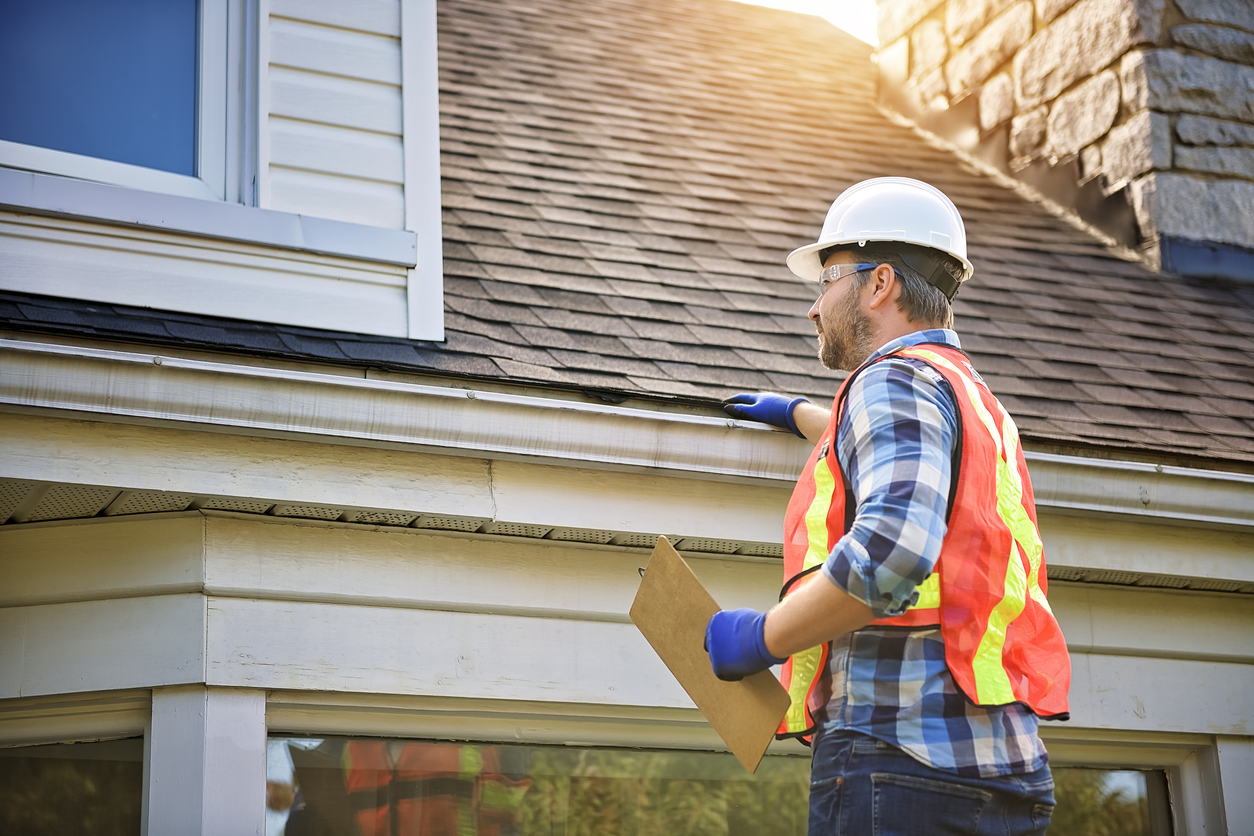
Most small business owners in Amarillo can tell you their rent, their payroll and their best month of the year. Far fewer can tell you how old their roof is. That gap matters in the Texas Panhandle, where a single spring afternoon can turn a sound building into a leaking one. The advice below covers the questions commercial clients often bring to a local roofer such as CRS Roofing & Construction, along with some plain business sense.
The roof is a business asset. Treat it like one.
Hail is a when, not an if
The Panhandle sits in one of the most active hail regions in the country. Storms build fast over open ground, and the stones they drop can bruise shingles, crack tiles, dent metal panels and puncture the membranes common on flat commercial roofs. Damage is not always visible from the parking lot. A roof can look fine and still have broken seals or soft spots that start letting water in weeks later.
That delay is the real danger for a business. By the time a stain shows up on a ceiling tile, water may have been soaking insulation, decking or electrical runs for a while. Repairs grow. So does the disruption.
Downtime costs more than the repair
Owners tend to think about roof problems in terms of the contractor’s invoice. The bigger number is often the cost of not being able to operate normally. Consider what happens when a leak hits the wrong spot:
- A restaurant may have to close a dining section or shut down entirely until health concerns are cleared.
- A retail shop can lose inventory to water and lose sales while the floor is roped off.
- An office may need to move staff, protect computers and deal with damp carpet and the smell that follows.
- A warehouse can see stock ruined and shipments delayed.
None of that shows up on a roofing estimate. It shows up on your profit and loss statement. If you carry business interruption coverage, read the policy closely, because many policies have waiting periods and specific conditions before that coverage applies.
Know your insurance before the storm
Commercial property policies vary a great deal, and the time to understand yours is on a clear day. Sit down with your agent and ask direct questions. What is the deductible for wind and hail? Is it a flat amount or a percentage of the insured value? Percentage deductibles are common in hail country and can be much larger than owners expect. Does the policy pay replacement cost or actual cash value on the roof? An older roof under an actual cash value policy may be worth very little on paper, which leaves the owner covering most of the bill.
Also ask about deadlines. Most policies require prompt notice of a loss, and some have firm time limits for filing a claim after a storm. Waiting until the next budget cycle to look at hail damage can put a claim at risk.
Keep records. Photos of the roof after any inspection, receipts for maintenance and the date the roof was installed all help when a claim is reviewed. A simple folder, paper or digital, saves time and arguments later.
Inspections are cheap compared to surprises
A professional roof inspection once or twice a year, plus one after any significant storm, is a small line item. An inspector can spot hail bruising, loose flashing, clogged drains and early membrane wear before they become leaks. For flat roofs, standing water is a common warning sign. For pitched roofs, granule loss and lifted shingles are worth a closer look.
If you lease your space, check your lease. Some leases put roof maintenance on the landlord, some put it on the tenant, and some split it in ways that are easy to miss. Knowing who is responsible before a storm prevents finger pointing after one.
Choosing a contractor after a storm
Hail brings out a familiar pattern. Within days of a big storm, trucks from out of town appear, and door knockers offer fast, cheap repairs. Some are legitimate. Others vanish once the check clears, leaving owners with poor work and no one to call when it fails.
A few habits protect you. Work with a company that has a local address and a track record you can verify. Ask for proof of insurance. Get the scope of work in writing, including materials, timeline and cleanup. Be wary of anyone who asks for a large payment up front or offers to cover your deductible, which can create problems with your insurer.
A local contractor also understands the materials that hold up in this climate. Impact rated shingles, heavier gauge metal and well installed membrane systems can all reduce future damage. They cost more at the start. Over the life of a building in the Panhandle, they can pay for themselves through fewer repairs and fewer claims.
Build the roof into your plan
The most prepared owners treat the roof the way they treat a delivery van or a walk-in cooler. They know its age. They know its expected life. They set money aside for replacement long before it fails, and they schedule maintenance instead of reacting to emergencies.
Start with three simple steps. Find out when your roof was installed and what it is made of. Review your property and business interruption coverage with your agent this month. Put a post storm inspection on your calendar as a standing rule, so the decision is already made when the hail stops.
Weather in the Panhandle will not get gentler. What business owners can control is how ready they are when it turns. A little planning now keeps a storm from becoming a crisis, and keeps the doors open while competitors are mopping floors.

.jpg)