Why Building Finishes Are a Balance Sheet Decision for Growing Businesses
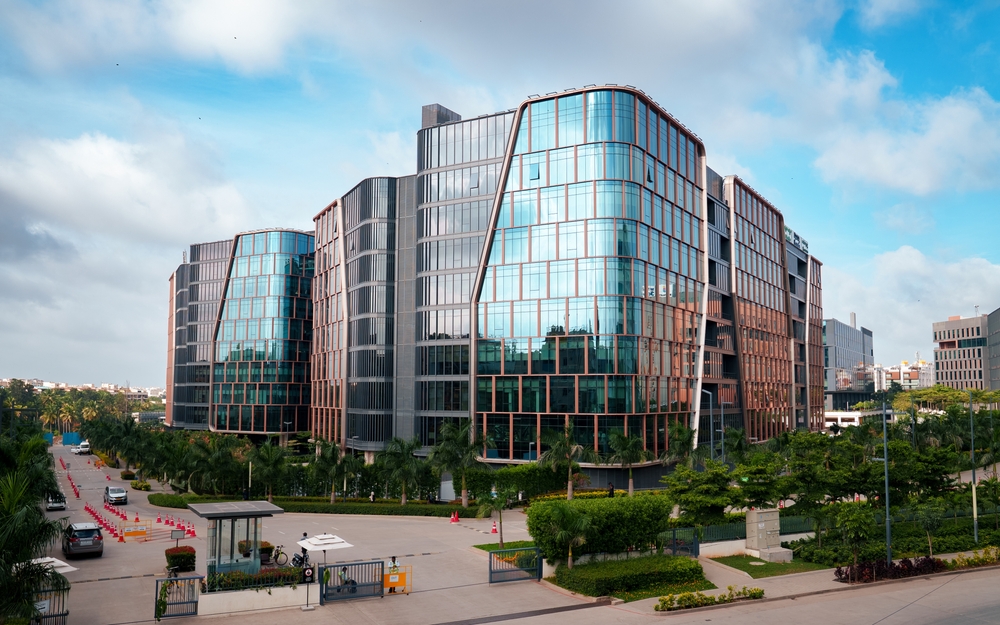
Moving into a first proper headquarters, opening a flagship store or building a new production unit is a milestone for any growing business. Budgets get tight quickly, and the items that feel least urgent are usually the first to be trimmed. Surface finishes on windows, cladding, signage and external metalwork often fall into that category.
It's an understandable instinct. It's also one that can come back to bite a few years later.
Capex versus the long tail of maintenance
Founders are used to thinking about total cost of ownership when it comes to software or vehicles. Buildings deserve the same treatment. A finish that saves money at installation but needs repainting, repairing or replacing within ten years isn't cheap. It's just deferring the bill, and often adding scaffolding, access equipment and disruption to it.
Aluminium is a good example. It's the material of choice for shopfronts, window systems, louvres and cladding because it's light, strong and easy to fabricate. How it's finished makes a big difference to how it ages. Applied coatings can chalk, fade or lose adhesion over time, while anodising aluminium creates a protective oxide layer that's part of the metal itself, so there's no coating to peel away. Natural, uncoloured anodised finishes also tend to be the least expensive anodic option, which puts them within reach of projects that don't have a landmark-building budget.
It's also worth remembering that access is often the most expensive part of maintenance. On anything above ground-floor level, the cost of scaffolding or a cherry picker can dwarf the cost of the work itself. A finish that needs little more than a periodic wash avoids most of that spend, along with the disruption of closing entrances or car parks while the work goes on.
First impressions don't wait for the next refurb
There's a brand cost to tired premises that doesn't show up neatly on a spreadsheet. Faded frames, streaky cladding and corroded fixings send a signal to customers, investors and potential hires before anyone's walked through the door.
For consumer-facing businesses, that matters every single day. For B2B companies, it matters on the days that count: the investor visit, the client site tour, the recruitment open day. Materials that keep their appearance with minimal intervention take one more variable off the list.
Sustainability claims need to stand up
Growing businesses are increasingly asked to back up environmental claims, whether that's by larger customers running supplier audits, by investors with ESG criteria or by staff who care about it. The materials in a building are part of that story.
Aluminium is highly recyclable, and recycling it uses a small fraction of the energy needed to produce new metal. Finishes that don't add a paint layer make end-of-life recycling simpler. Longevity counts too. A component that lasts thirty years instead of fifteen avoids a whole replacement cycle, along with the embodied carbon that comes with it.
None of this needs to be the headline of a sustainability report. It does need to be accurate, and choosing durable materials from the start makes accurate claims easier to make.
Safety and compliance aren't optional extras
Since the Grenfell Tower fire, scrutiny of external wall materials has increased sharply, and the rules around combustibility have tightened. Landlords, insurers and lenders now ask far more detailed questions about what a building is made of.
Metal finishes that achieve an A1 non-combustible classification remove one potential point of friction. For businesses that lease premises, it's worth asking landlords about façade materials before signing. For those building or buying, it's worth raising with architects and contractors early, while choices are still open.
Getting the specification right
Most founders aren't materials experts, and nobody expects them to be. A few straightforward questions can still steer a project in the right direction:
- What's the expected lifespan of the finish, and what evidence is that based on?
- Which standards does it meet? In the UK, BS 3987 covers anodic coatings for external architectural aluminium.
- What maintenance will it need, and how often?
- Is there a guarantee, and what does it actually cover?
- Can the material be recycled at the end of its life without extra processing?
The answers make it much easier to compare options on a like-for-like basis rather than on price alone.
Think like an owner, even when leasing
Leases end, but reputations don't. And for businesses planning to own their premises one day, the habits formed during an early fit-out tend to stick.
Landlords notice, too. A tenant that asks sensible questions about materials and maintenance at the start of a lease tends to be taken more seriously when dilapidations are negotiated at the end of one.
The companies that scale well are usually the ones that make fewer decisions they have to reverse. Building materials are rarely exciting, but they're one of the few purchases a business makes that could still be doing its job two decades later. Treating them as a long-term investment rather than a line to trim is simply good financial discipline.