Why Car Hauling Is One of Trucking's Most Specialized Niches
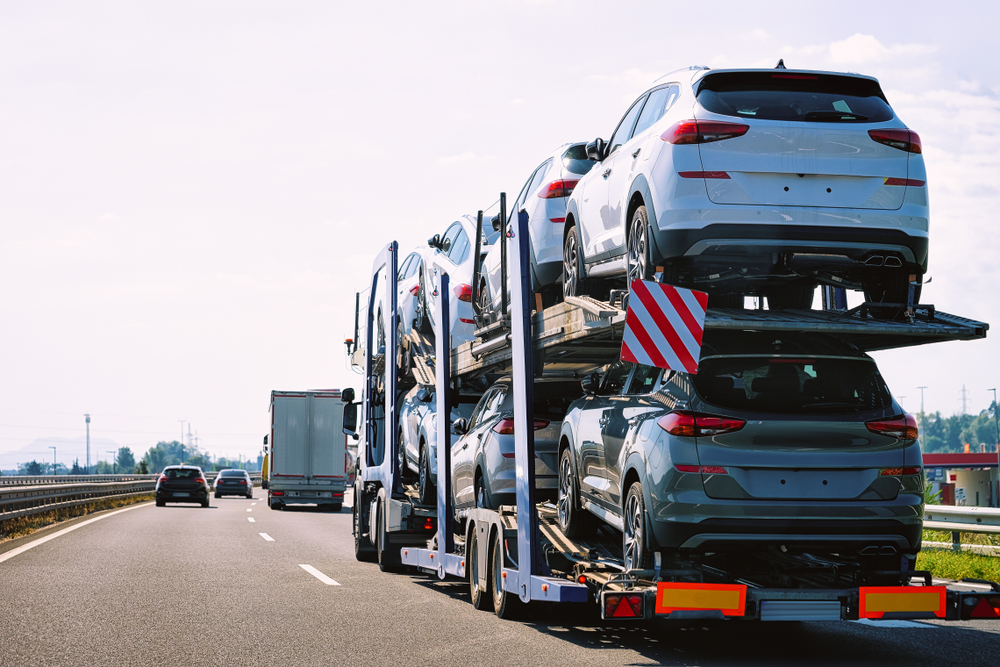
Car hauling sits apart from most other trucking work in nearly every part of the job, from the equipment a driver needs to the way a route gets planned. Moving a trailer of finished vehicles is not the same task as moving a trailer of boxed freight, and the stakes of getting it wrong are higher in ways that shape how the business runs. Understanding what makes car hauling different explains why it pays well and why not every trucking company competes in it.
The Cargo Changes Everything About the Job
A trailer of finished vehicles is worth far more than a comparable trailer of general freight, often somewhere between $150,000 and $500,000 for a full load. A single scratch or mechanical issue during transit becomes a direct, documented loss rather than a shrug-worthy scuff on a cardboard box. That cargo value changes how a driver approaches the job, from how carefully a load gets secured to how much attention goes into checking weather beforehand. Dealerships expect vehicles delivered in the same condition they left the plant.
Equipment Has to Match the Value on the Trailer
A proper car hauler costs far more than a standard freight trailer, and that price tag reflects the value of the cargo riding behind the cab. A new multi-level car trailer alone runs upward of $100,000, and a stinger-steer setup can run past $300,000 once financing is factored in.
Many owner-operators treat the truck itself as part of that same investment. A Peterbilt 389 air ride kit delivers a smoother ride over long hauls, keeping the cargo and driver comfortable for hundreds of miles.
Loading and Securing Vehicles Takes a Different Skill Set
Positioning a car on a multi-level trailer, chaining it down, and doing it fast enough to stay on schedule takes practice that general freight driving does not teach. Each vehicle has its own ground clearance and tie-down points, and a driver has to work out the safest arrangement for a mixed load of sedans and SUVs on the fly. Getting the order wrong can mean a vehicle that cannot be unloaded without moving several others first.
Routes and Scheduling Work Differently Than General Freight
Car haulers typically run tighter, predictable circuits between manufacturing plants, ports, auctions and dealership networks rather than the open-ended long-haul routes common in general freight. Delivery windows tend to be stricter too, since a dealership expecting new inventory has little patience for a truck that shows up a day late. That pressure pushes many car haulers toward regional routes, and building relationships with a small number of regular shippers often matters more than chasing the highest rate on a load board.
Insurance and Liability Look Different Too
Cargo insurance for a trailer full of new vehicles costs considerably more than coverage for a load of dry goods, reflecting the value sitting on the trailer at any given moment. A single accident involving a fully loaded car hauler can produce a claim many times larger than an equivalent incident in general freight, which affects everything from premiums to how carefully a company screens drivers. Insurers often require added experience before writing a policy for car hauling.
Pay Reflects the Specialization
All of these added costs come with a real upside, since car hauling consistently pays more per load than standard dry van or reefer freight. Specialized hauling segments are seeing pay grow faster than general freight as equipment costs rise and fewer drivers make the initial investment. That mix of skill, cost and demand is why car hauling has stayed one of trucking's most tightly held niches, with experienced operators often training the next generation directly.