Why Faster Deliveries Are Changing Workplace Risk
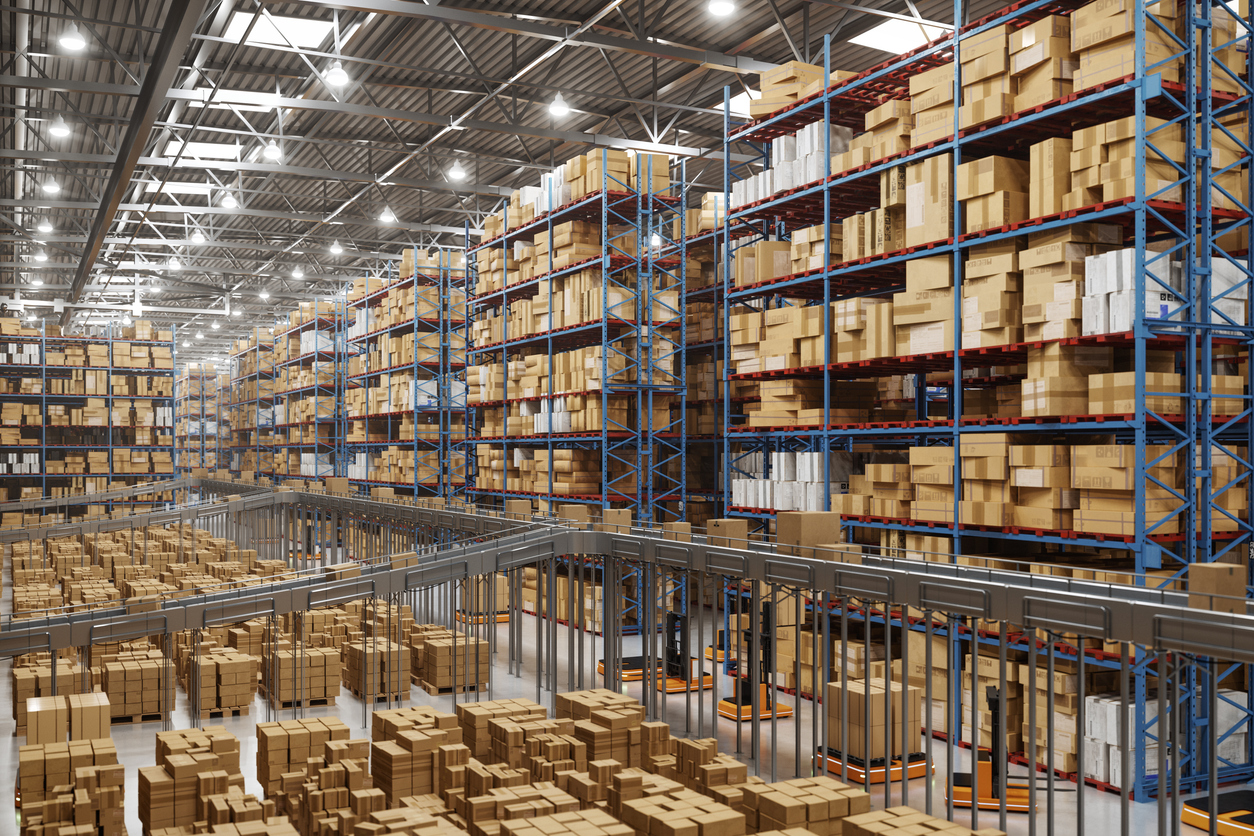
A person orders a phone case while eating their morning cereal, and that case is on their phone before dinner. And even though this whole thing happened from idea to realization in the span of one day, you don’t really consider this something special – you expect it. If it were any slower, you’d become an unsatisfied customer.
It’s pretty much the norm now in 2026.
That kind of speed was unthinkable just a few years ago, unless you paid for some kind of premium service. But even then, it felt like a privilege. Now, everyone expects it. Fast shipping is the new standard, and it makes sense because it makes the customers happier and generates more sales.
But what’s behind those super-fast deliveries?
Pressure, that’s what. And pressure can create A LOT of (unexpected) risk.
The Race Against the Clock Starts Way Before a Package Leaves the Warehouse
The second the merchandise gets to the warehouse, the delivery clock starts to tick. Since everyone expects fast delivery, managers have to figure out how to get all those shipments sorted and prepped faster than before, so they can get loaded onto trucks and be on their way.
This is a process, and there are quite a few tasks involved in it, so it takes a while.
The problem is that now it all requires three things:
- Speed
- Speed!
- Even more speed!
And if any of those components is missing, you’re lagging behind, and the customer won’t stand it.
Now, this doesn’t sound too bad on paper. But if you’re the worker who’s responsible for the delivery, you’ll feel that pressure.
Any sort of delay (regardless of how minuscule it is) will be a nightmare. And even one single delay can cause a massive ripple effect further down the chain. Because of one delay, everything after it experiences an exponential delay.
If sorting runs late, then staging has to be done faster or be late as well. If the staging part is late, loading gets rushed. Thisleaves drivers stressed out even before they leave the warehouse, and drivers are already stressed before they’ve even left the loading dock down at the warehouse.
The loading dock is one of the most active parts of a warehouse because there are many vehicles and employees all working at the same time in the same (usually tight) space.
It’s not uncommon for accidents to happen, and when they do, injured workers are quick to hire a loading dock truck accident lawyer for workplace injury cases from a reputable law firm that specializes in such cases, such as Rosenfeld Injury Law.
You might say that the main issue here is speed, and that’s not totally wrong, but it’s also not totally right. Speed doesn’t help, but the fact is that it can be managed if you plan well and leave some flexibility in the schedule.
But when a schedule is so packed that there’s zero room for mistakes and delays, things can’t always go well.
Fast deliveries put most of the Pressure on the Workers
Fast deliveries are stressful; there probably isn’t a need to say this out loud. But what we want to look at is where most of the stress lands.
Hint: it’s on the worker
But how/why?
New Employees MUST Learn Fast!
Warehouses are notorious for high turnover. And while there are multiple reasons why that is, the problem that this creates is that new hires need to pick up the pace quickly, especially if the warehouse is in season.
That means that a new hire gets a short overview of how things work, and then everyone expects them to keep up with the rest of the team.
But if you don’t have enough training or experience, you don’t know what to watch out for, and the delivery clock won’t wait until you find out.
Thanks to this, every shift is crazy stressful.
More Work in the Same Amount of Time
Every shift is a set number of hours. But with fast deliveries, workers are required to work extra hard/fast to meet the quota. Otherwise, the upcoming shift will have to start stressed out because they need to pick up the slack and still meet their own targets. The volume of work keeps going up.
More dockets, more orders, more items on every pallet, more pallets on each truck, more trucks. Everything goes up by a multiple.
And, as you can imagine, workers feel this. The main (and you could say the only) goal here is to be productive, and when that’s the case, people have no choice but to skip steps and look for shortcuts.
Busy Becomes Busier
You wouldn’t really expect a loading area or a warehouse aisle to be empty, but now they’re PACKED.
Forklifts driving past pallets, workers on foot stepping between moving forklifts and boxes, trucks backing into docks too fast, so drivers and loaders kind of work on top of each other… It honestly looks like something you’d see in a dystopian movie.
This turns congestion into dodging and waiting. And the more machines and people you have moving around, the less margin for error there is. The obvious solution would be to stop and wait until the previous task is finished before starting a new one, but the schedule says to keep going, so everyone does.
Conclusion
The solution? Some people will tell you we should all start being more reasonable with how fast we expect our packages to be delivered. And while it’s true that consumers are spoiled in terms of how fast deliveries are, you can’t point your finger at consumers.
They’re not the problem here.
The real issue is the system itself. It puts productivity above everything else, including keeping the workers safe.
It’ll be interesting to see what will happen in the future and whether someone will someday figure out that a fast truck means squat if you’re getting sued for workplace injuries left and right.
2 Interlinking Opportunities:
From https://www.businessage.com/post/the-equipment-decisions-that-determine-warehouse-efficiency with anchor rapidity and reliability
From https://www.businessage.com/post/why-do-businesses-need-a-productivity-rethink with anchor The push for greater productivity

.jpg)