Why High-Precision Weighing Is the Unsung Hero of Quality Control in Mass Production
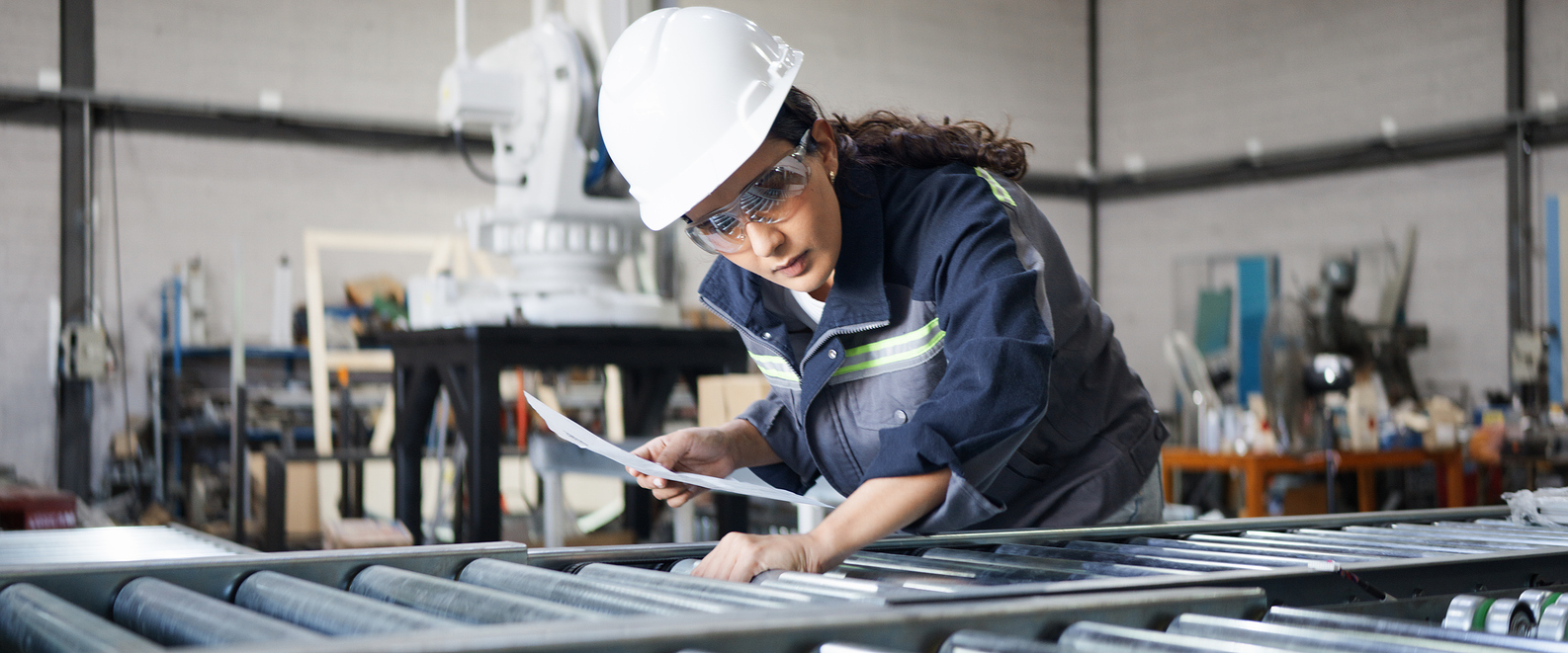
Picture this: a factory churning out thousands of identical products every single hour. Everything looks perfect on the surface. But somewhere down the line, a tiny inconsistency slips through. A few grams too much here, a few grams too little there. Multiply that across a million units and suddenly you've got a problem that costs real money.
That's where high-precision weighing quietly does its thing.
Most people never think about it. Weighing scales? Boring, right? Actually, when it comes to keeping quality tight across huge production runs, precision weighing turns out to be one of the most important pieces of the puzzle. And it rarely gets the credit it deserves.
The Small Errors That Snowball Into Big Ones
Here's the thing about mass production. Small mistakes don't stay small.
Say a food manufacturer is packing cereal boxes. Each box is meant to hold 500 grams. If the weighing system is off by even a little, two things can happen. Either the company gives away free product on every box, which eats into margins fast, or it underfills and risks upsetting customers and regulators. Neither option is fun.
Ever noticed how a bag of chips sometimes feels heavier or lighter than the last one? That inconsistency usually traces back to weighing equipment that isn't accurate enough. And in industries where the tolerances are much tighter, like pharmaceuticals or automotive parts, those gaps aren't just annoying. They can be dangerous.
High-precision scales catch these tiny variations before they become expensive habits.
Consistency Is Really the Whole Game
Quality control lives and dies on repeatability. Customers expect the same product, at the same standard, every time they buy.
The truth is, machines drift. Environmental factors like temperature, vibration and even air currents can nudge measurements slightly off course. Good weighing systems are built to handle all that. They stay accurate whether it's the first unit of the day or the ten-thousandth.
And when a system flags something out of spec, operators can act straight away instead of finding out about a batch problem three days later. That kind of early warning saves an enormous amount of hassle.
How Precision Weighing Fits Into the Line
Modern weighing setups don't just sit there passively taking measurements. They talk to the rest of the production system.
Checkweighers, for example, sit right on the conveyor and weigh products as they whizz past. Anything outside the acceptable range gets automatically rejected before it ever reaches packaging. No human needs to stop and inspect each item, which frees people up for the work that actually needs a brain.
This part's a bit tricky, but the data these systems collect is arguably just as valuable as the weighing itself. Every measurement gets logged. Over time you can spot trends, catch equipment wear early, and prove compliance when the auditors come knocking. Manufacturers who use quality Industrial weighing solutions by Acuuweigh tend to find this data side of things surprisingly useful for fine-tuning their whole operation.
Compliance Isn't Optional
Look, nobody gets excited about regulations. But in a lot of industries, accurate weighing isn't a nice-to-have. It's the law.
Trade measurement rules exist to protect consumers. If a product claims to weigh a certain amount, it needs to actually weigh that amount, within a legal margin. Get it wrong and you're looking at fines, recalls, and a bruised reputation that takes ages to repair.
Precision weighing equipment that's properly calibrated and certified takes a huge weight off, pun fully intended. Manufacturers can prove they're meeting standards without breaking into a cold sweat every audit season.
The Cost Argument Nobody Talks About
People often assume high-precision gear is just an expensive luxury. To be honest, the opposite is usually true.
Think about all that product being given away through overfilling. Or the waste from batches rejected because of undetected errors. Or the labour spent manually checking things a good system could handle automatically. It adds up quick.
Accurate weighing pays for itself, and then some. Less waste, fewer rejects, smoother compliance, happier customers. The maths tends to work out pretty nicely once you actually run the numbers.
Where It's All Heading
Weighing technology keeps getting smarter. Systems now connect with wider factory software, feeding live data into dashboards that managers can check from anywhere. Some setups even flag maintenance needs before anything breaks.
The core idea stays the same though. Measure accurately, catch problems early, keep quality consistent. Everything else is just refinement on top of that solid foundation.
So the next time you pick up a product that's exactly what it promised to be, spare a thought for the humble weighing system working away behind the scenes. It's doing more heavy lifting than most people ever realise.
And for manufacturers still relying on gear that's seen better days? Might be worth a second look. Quality control gets a whole lot easier when your measurements can actually be trusted.