Why Out-of-Home Advertising Is Growing
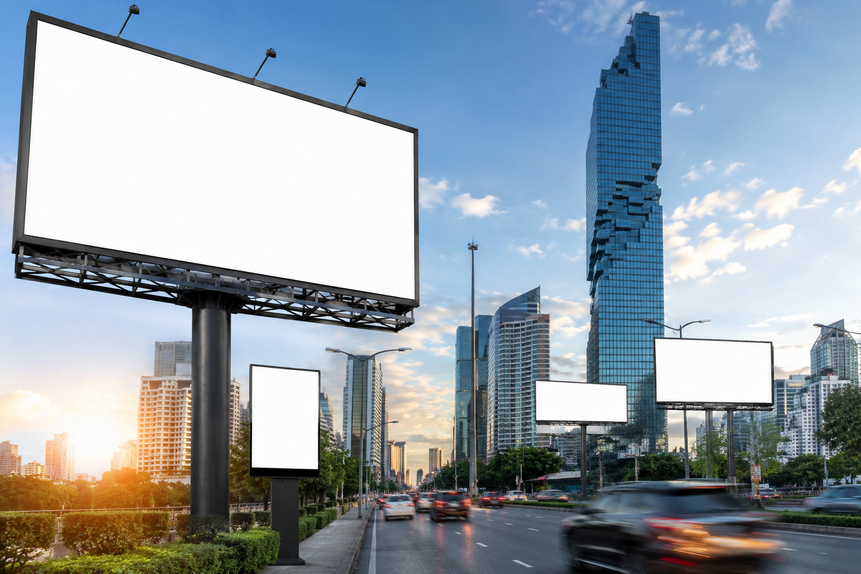
Anyone who has ever spent more than twenty minutes on their phone knows the feeling of scroll fatigue, with constant undifferentiated ads blurring into one. Against that backdrop, something interesting has been happening in the physical world. Billboards, bus shelters, digital screens at train stations — brands are pouring serious money back into them, and the results are turning heads.
Out-of-home advertising, or OOH as the industry calls it, never really went away, but it got somewhat overshadowed during the years when everyone convinced themselves that digital display advertising was the only game worth playing. Now there's a growing recognition that putting your brand in front of someone while they're waiting for the 08:47 from Leeds to Manchester, unable to look away, is genuinely valuable in a way that a skippable YouTube pre-roll simply isn't.
The Physical World Doesn't Have an Ad Blocker
That's the blunt truth about why OOH has been growing its share of ad spend in the UK; you can't install an extension to block a 48-sheet billboard on the A3, and you can't swipe past a wrapped bus. The audience can't opt out, and that's not as sinister as it sounds — it's just the nature of moving through public space. Brands that understand this are using it cleverly, placing creative that's actually worth looking at rather than shouting the same tired message louder.
The data side of things has also improved enormously. Modern OOH campaigns can be planned around footfall patterns, commuter demographics, and even weather triggers (a campaign for hot drinks that only activates on digital screens when temperatures drop below 8°C isn't science fiction, it's standard practice now). That kind of targeting used to be the exclusive selling point of digital. OOH has quietly caught up.
Working with a specialist OOH advertising agency rather than treating it as an add-on to a broader media buy makes a real difference here. The site selection alone — understanding which formats work in which locations for which audiences — is a discipline in its own right, and getting it wrong is expensive.
What Actually Makes an OOH Campaign Work
Scale helps, obviously. A campaign that blankets a city creates a cumulative effect that a single well-placed poster never quite achieves. But budget isn't everything, and some of the most talked-about OOH work in recent years has come from smart, targeted placements in very specific locations, timed for maximum relevance. There was a spell a few years back where culturally sharp billboard copy was doing the rounds on Twitter before the paint had even dried, which is a weird but genuinely useful secondary benefit.
Copy and creative matter more on a billboard than people think. You've got about three seconds of attention, maybe less if someone's driving. The instinct to cram in every product feature and a QR code and a hashtag and a legal disclaimer needs to be firmly resisted. The ads that land are usually the ones that trusted the audience to fill in the gaps — a strong visual, six words, done.
Format selection is the other big one. Roadside 96-sheets, digital 6-sheets on the high street, underground escalator panels, airport corridors — each of these has different dwell times, different audience mindsets, different creative requirements. A campaign built for one format doesn't necessarily translate to another, and that's a mistake that costs money.
Is It Right for Every Business?
Honestly, no. If you're selling a very niche B2B software product to procurement managers at mid-sized logistics companies, a billboard outside Waterloo probably isn't your most efficient spend. But for consumer brands, regional businesses trying to build recognition in a specific area, launches, events, or anyone trying to create a sense of presence and legitimacy in a city, OOH has a strong case to make.
There's also something to be said for the credibility factor. A brand that shows up in the physical world — on walls, on buses, in train stations — signals a level of commitment that digital-only presence doesn't quite replicate. Consumers notice it, even if they don't consciously register why they suddenly think more highly of a brand they'd only ever seen online before.
The medium has been around since someone stuck a hand-painted sign on a barn in the 1800s. The tools have changed pretty dramatically since then; the underlying logic hasn't.