Will AI Take Over Human Creativity? Here’re Some Thoughts…
.jpg)
I used to think AI would either replace creators or just stay as a fancy tool.
Both ideas turned out to be wrong. What actually happened is more subtle and more interesting.
AI didn’t remove creators from the process. It changed what the process looks like.
Instead of manually producing every part of content, creators now design systems that produce content.
The work is shifting from execution to direction. That shift is what this article is about.
AI Didn’t Replace Creators
If I break it down honestly, AI didn’t replace “creators” as a role. It replaced specific tasks inside the workflow.
Things AI now handles well:
- First drafts of scripts
- Video rough cuts
- Caption generation
- Idea suggestions
- Content repurposing
But there are still things only humans define:
- What is worth making
- What feels on-brand
- What story matters
- What connects with an audience
So the shift is not about elimination. It’s about redistribution.
Creators now spend less time producing raw output and more time shaping direction.
That change sounds small, but it completely changes how content teams operate.
The Real Shift: From Replacement to Redesign
A lot of early discussions about AI focused on replacement. But in real workflows, that’s not what I see.
Creators are still here. What changed is how they work.
Before AI, content creation followed a relatively linear process: an idea became a script, then moved through production, editing, and publishing.
Today, the workflow looks more like a continuous loop, moving from idea to AI-assisted planning, generation, refinement, distribution, feedback, and ongoing iteration.
The difference is not just speed. It’s structure.
AI didn’t remove steps. It reorganized them.
And once workflows become modular, creators stop thinking like individuals doing tasks. They start thinking like operators of systems.
Where All-in-One Video Tools Fit Into This Shift
At some point, using separate tools starts to slow you down. You spend more time moving between apps than actually creating.
That’s where I started looking at all-in-one systems instead of isolated tools.
One platform I’ve been exploring in this space is Loova. What stands out to me is not just what it does, but how it changes the workflow mindset.
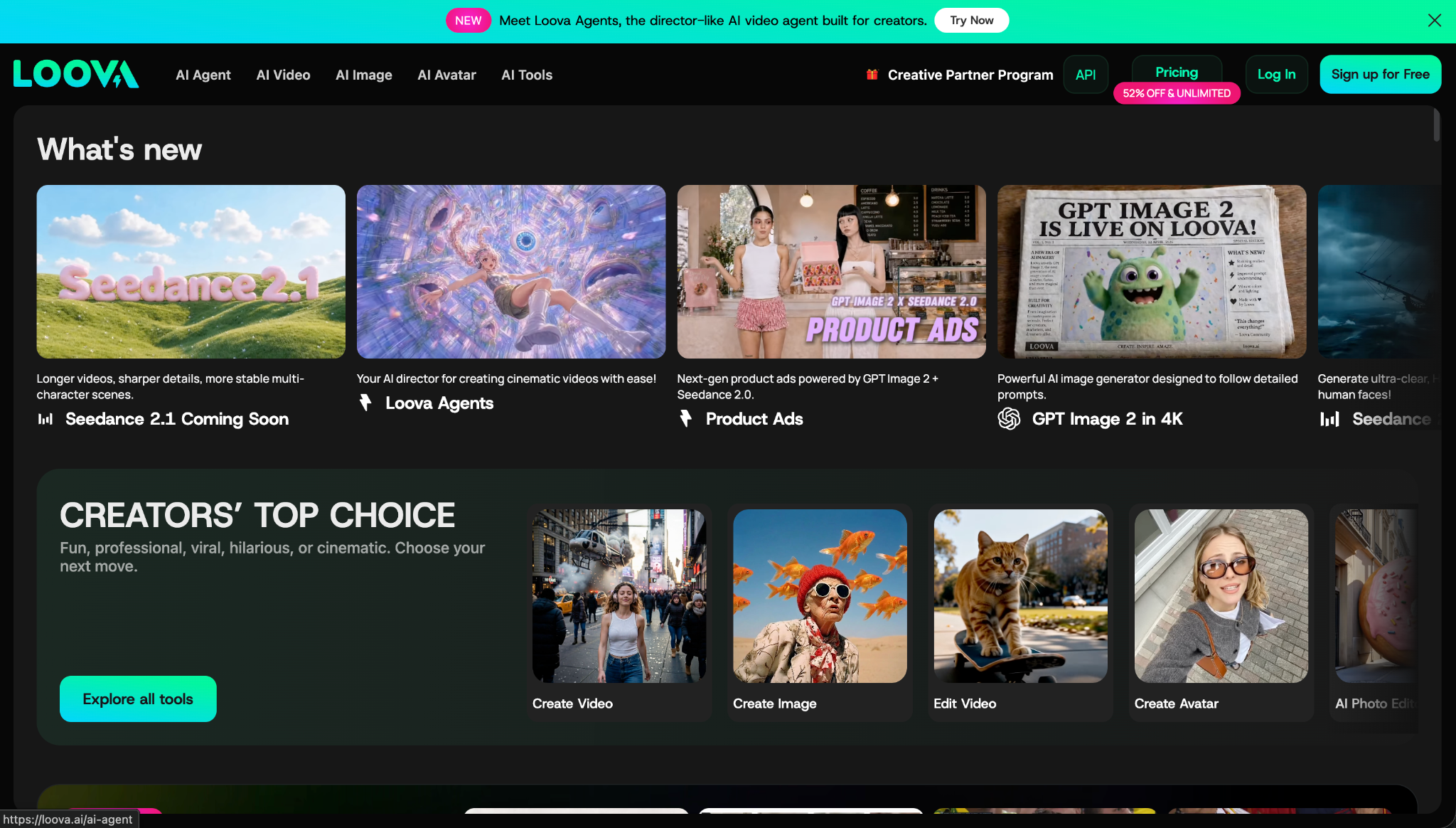
Instead of thinking in separate steps like scripting, generating, and editing, Loova brings them closer together in one system designed for video creation.
For content creators, that matters a lot because the biggest bottleneck is usually not creativity. It’s friction between tools.
When you remove that friction, content production becomes smoother and more consistent.
For me, the value is simple: less switching, more creating, and a workflow that feels like one connected system instead of scattered tools.
Why AI Didn’t Kill Creativity
There’s a common fear that AI reduces creativity. But in practice, creativity just moves to a different layer.
Before, creativity was mostly in execution:
- How you edit a video
- How you write a script
- How you structure a scene
Now, a lot of that execution is assisted or automated.
So creativity shifts upward:
- Choosing ideas
- Defining angles
- Setting tone and direction
- Designing content systems
In other words, creators are less focused on how to make something and more focused on what should be made and why.
That’s a much higher-level job.
AI Video Generation as a Core Part
Even with all these changes, generation tools are still important. They are not disappearing. They are just becoming part of a bigger workflow.
At the moment, I see AI video generation as a building block rather than a final product tool.
For example, you might use an ai video generator to quickly produce variations of a concept, test different hooks, or explore different styles before refining the final version.
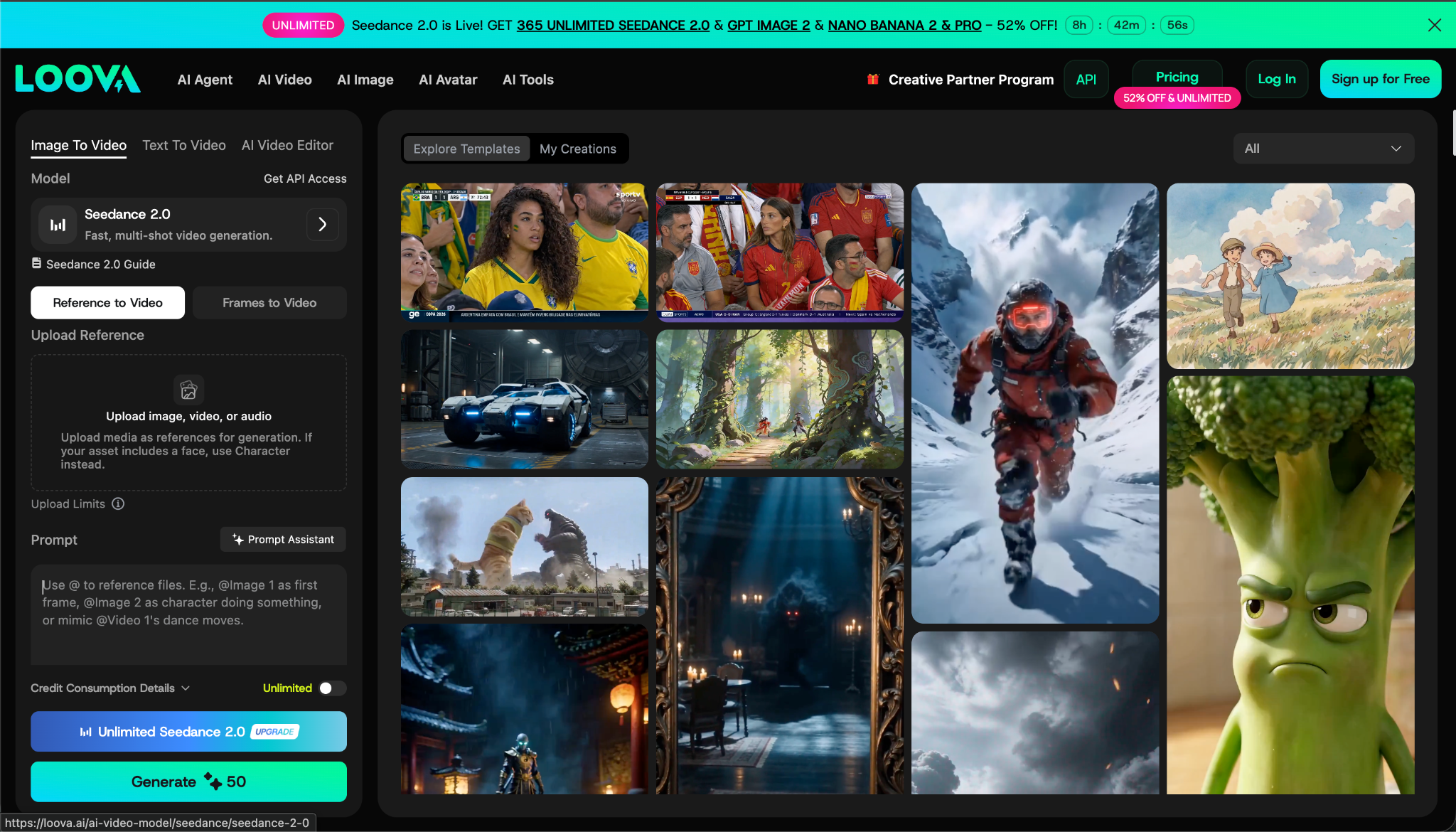
The key difference now is usage. It’s not about making one perfect video. It’s about producing multiple versions fast enough to learn what works.
That speed of iteration is something traditional workflows simply can’t match.
Why Solo Creators Benefit the Most From This Shift
Interestingly, I think solo creators are in the strongest position right now.
In the past, scaling content meant hiring people. Now scaling means building systems.
A solo creator with a good AI workflow can:
- Produce content faster than small teams
- Test more ideas without extra cost
- Adapt quickly to platform changes
- Maintain consistent output without burnout
This changes the economics of content creation.
It’s no longer about team size. It’s about how well your system works.
And because solo creators can move faster and experiment freely, they often adapt to AI workflows earlier than larger organizations.
What Hasn’t Changed
Even though AI reshapes workflows, some things haven’t changed at all.
Good content still depends on:
- Clear thinking
- Strong ideas
- Understanding your audience
- Consistent voice
AI can help with execution, but it doesn’t replace judgment.
In fact, as content becomes easier to produce, judgment becomes more important. There is simply more content now, which means filtering and direction matter more than ever.
So if anything, AI increases the value of taste and decision-making.
The Future: From Tools to Creative Partners
If I look ahead, I don’t think we will talk about “tools” in the same way.
We’ll move toward creative partners that handle entire parts of the content lifecycle.
Eventually, creators won’t just make content. They will work with creative AI partners that produce output continuously.
That’s the real shift.
And once that happens, the role of a creator becomes closer to a system designer than a hands-on editor.
Final Thoughts
AI didn’t replace creators. It removed friction from creation.
That sounds simple, but it changes everything.
The work is no longer about producing every piece manually. It’s about designing a system that produces for you.
Once you think in systems instead of tasks, content creation stops feeling like constant manual work and starts feeling like something you can scale intentionally.
And that’s where platforms like Loova fit naturally into the workflow, especially for creators who want a more connected and structured way to produce video content without juggling multiple tools.
FAQs
Did AI replace content creators?
No. AI didn’t replace creators. It changed how they work by automating parts of the production process and shifting focus toward strategy and system design.
How is AI changing content creation?
AI is turning content creation from a linear process into a system-based workflow with faster iteration, automation, and feedback loops.
What parts of content creation can AI replace?
AI can assist with scripting, editing, captions, ideation, and repurposing content. It does not replace creative direction or decision-making.
Do creators still need editing skills in the AI era?
Basic editing knowledge helps, but advanced manual editing is less critical because AI tools handle much of the technical work.
Why are all-in-one tools becoming more popular?
Because creators want fewer disconnected tools. Unified systems reduce friction and make workflows faster and easier to manage.
What is the biggest change AI brings to creators?
The biggest change is the shift from hands-on execution to system design, where creators focus more on strategy and direction than production tasks.
.jpg)