Your Event Has a Screen. So, Where Do the Rest of the Ideas Go?
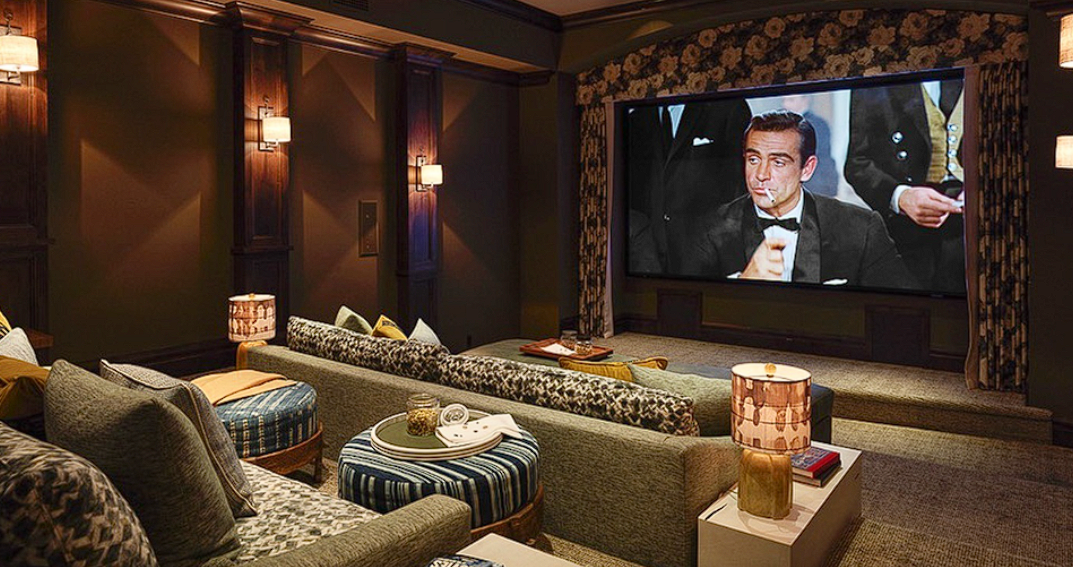
Step into just about any business event, and one thing immediately takes center stage: the primary presentation screen. It displays the speaker’s slides, charts, images, and key messages. However, events rarely depend on a single stream of information. Attendees may also need schedules, maps, posters, product details, research findings, and supporting materials throughout the day. This raises a simple question: What happens to information that does not belong on the main screen?
What a Screen Cannot Do
A presentation screen works well when a speaker needs everyone to focus on the same information at a particular moment. However, attendees do not always need every detail at the same time. Some may want to check the programme, review a project, or revisit a point discussed earlier without interrupting the presentation.
Different people also absorb information in different ways. The World Wide Web Consortium (W3C) provides accessibility guidance that recognises the importance of making information available in ways that suit different needs. Keeping slides clear and limiting unnecessary text can help audiences follow a presentation more easily.
This creates an opportunity for physical displays. Display boards can hold supplementary information that attendees can explore at their own pace, including explanations of complex logic that may require more time to understand. Rather than competing with the speaker, they give people another place to find details, review information, and return to important points when needed.
When Walls and Boards Become Part of the Presentation
Physical displays can turn the entire venue into part of the event experience. Signage does more than identify rooms or point people towards an entrance. It can support learning, networking, branding, and navigation while helping attendees understand how the event space is organised.
At a conference, display boards can present the programme, speaker biographies, or research posters. During a workshop, they can showcase project materials, brainstorming results, and contributions from participants. At an exhibition, they can provide product specifications, diagrams, maps, and other information that visitors may want to examine before speaking with an exhibitor.
These displays are particularly useful when people move through an event at different speeds. Someone arriving early can review the schedule, while another attendee can stop at a project board between sessions. According to the principles of effective retail display planning discussed by 365 Retail, arranging displays thoughtfully can also help organise open spaces and present information without overcrowding walkways or exhibition stands.
Why Temporary Events Create an Equipment Problem
The challenge often begins after the event ends. A conference, exhibition, or workshop may require several display boards for only a day or a few days. Once the event is over, those boards still need to be transported, stored, maintained, and kept in usable condition until the next occasion.
For organisations that hold events infrequently, purchasing equipment may not be the most practical option. Storage space can be limited, transportation adds logistical work, and equipment purchased for one occasion may remain unused for months.
Hiring offers an alternative. A display board rental company can provide the equipment required for a particular event without leaving organisers responsible for long-term storage. This arrangement can be especially useful for businesses, educational institutions, and event teams that need flexible display options but do not regularly organise conferences or exhibitions.
By arranging equipment around the event's actual requirements, organisers can focus more attention on the programme, attendee experience, and practical details that make an event run smoothly.
Choosing the Right Display Setup
The right arrangement depends on the event's purpose, the information being presented, its duration, and the available space. Boards should be positioned where attendees can see and approach them easily without blocking entrances, walkways, or access to seating.
Placement should also reflect how people use the information. Directional signs belong near decision points, while detailed research posters need enough room for visitors to stop and read comfortably. Frequently requested information, such as schedules or room assignments, should be easy to locate.
Organisers should also consider the amount of information displayed. Too many boards can make a venue feel cluttered, while poorly placed materials may go unnoticed. A balanced setup gives each display a clear purpose and allows attendees to move naturally between presentations, conversations, and information points.
Conclusion
A screen does not have to carry the entire responsibility for communicating information at an event. Combining digital presentations with carefully positioned physical displays gives attendees more opportunities to explore ideas, find essential details, and navigate the venue confidently. These complementary methods also support effective communication skills by helping presenters deliver clear messages while ensuring that important information remains accessible and easy to understand throughout the event.
When organisers plan these elements together, even a simple display board can become a valuable part of the experience. The goal is not to fill every available wall, but to give important information the space and visibility it needs to reach the right people at the right time.