Your Small Business Does Not Need a New Soundtrack for Every Video

A neighborhood bakery films a new pastry on Monday, a staff introduction on Wednesday, and a weekend offer on Friday. Each clip is short, yet somebody still has to choose music, check whether it suits the message, adjust the volume, and make the final export. That repeated decision can consume attention better spent on the actual story. An accessible music creation tool such as AI Song offers another way to explore suitable tracks. The bigger opportunity, however, is organizational: a small business can establish a few reliable musical directions instead of treating every social video like a brand-new production.
The Cost Hides in Repeated Decisions
Small business owners often compare music options by their visible price. They may overlook the time involved in searching libraries, previewing unrelated tracks, checking usage conditions, and revising a video after colleagues disagree. Those costs vary widely, so there is no honest universal figure for how much a particular business might save.
Imagine a two-person marketing team preparing a weekly product demonstration. The editor likes a dramatic track. The owner wants something warmer. A third person asks whether the music can be used in an advertisement. None of those questions is unreasonable, but they arrive late because the team never defined what the video should sound like.
The practical fix is to settle a few choices before production: What is the audience doing? Will there be speech? How energetic should the music feel? Which usage conditions need checking? Those answers make sourcing, generating, or commissioning music easier.
Compare the Routes Before Choosing a Tool
There is no single best route for every company. Licensed stock music, commissioned compositions, and AI-generated material solve different problems. The right choice depends on how important uniqueness, creative control, and documented permissions are for the project.
A restaurant launching a major national campaign may benefit from a composer who can follow detailed feedback and provide specifically negotiated deliverables. A local service company testing two approaches to a short explainer might first benefit from comparing musical directions. Neither approach removes the need for human judgment.
A useful internal rule is to separate the music decision from the final usage decision. First ask whether the track works creatively. Then confirm whether the intended distribution is permitted under the relevant terms or licence. Never let the convenience of generating a track replace that second check.
Build a Three-Mood Reference Sheet
Instead of writing a complicated audio policy, keep a one-page reference sheet that everyone can understand. Limit it to three situations your business actually encounters. Here is a starting point for a small bakery or café.
- Everyday Updates: Friendly Without Demanding Attention
For opening hours, new stock, or behind-the-scenes clips, favor restrained instrumentals. The customer should notice the food, staff, or practical information before noticing the soundtrack. A steady pulse is usually more helpful than a big musical climax.
Write an example description in ordinary language: light acoustic instruments, relaxed pace, cheerful but not childish, no vocals. Store the description with the approved video example so colleagues know what “friendly” sounds like in practice.
- Product Reveals: Allow One Strong Moment
A close-up of a finished cake or a newly renovated interior can carry a slightly more dramatic musical change. Plan that change around a visual moment, such as a box opening or a door being revealed. Avoid overwhelming the final message with an energetic section that starts too early.
The team can compare short candidate passages alongside the actual footage. That is more useful than deciding which full track sounds best in isolation. A beautiful song may be completely wrong once spoken product details are added.
- Explainers: Keep Speech in Front
If a dentist explains an appointment process or a shop owner describes delivery options, the music is secondary. Choose a simple instrumental direction and test the result on a phone speaker. If the voice becomes hard to follow, lower or remove the soundtrack.
Clarity matters more than style consistency. It is perfectly reasonable for an instructional video to contain no music at all, especially when captions and spoken explanations already occupy the audience's attention.
Where AI Fits Into the Decision
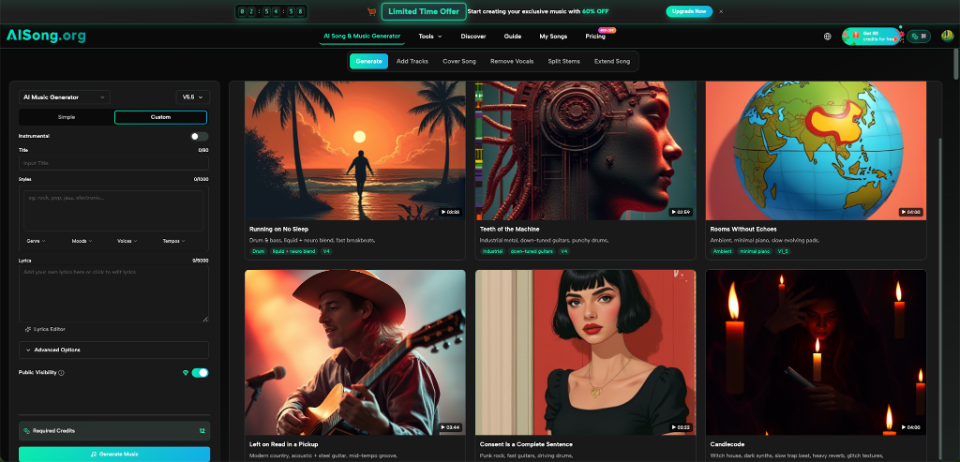
AI Music Generator can help a team audition a few musical directions without first searching through hundreds of unrelated listings. On AISong, the public interface allows descriptions of style and mood and presents an Instrumental option. Those are relevant capabilities for a business that needs music underneath narration or short product footage.
For example, a café might describe a warm, rhythmic instrumental with soft percussion and a relaxed tempo. The team then listens for whether the track feels appropriate during a thirty-second coffee-making clip. If not, it can revise the description or choose another candidate. This is a creative test, not a guarantee that every output will match a brief perfectly.
Keep the scope narrow. Generate or select music for one repeated situation first. Once the team agrees on how it should sound, document the choice. Creating twenty unrelated tracks before anyone has approved a direction only replaces one kind of searching with another.
Put Approval Before Publishing
Give one person responsibility for reviewing sound against four criteria: message clarity, emotional fit, sensible volume, and usage permission. Save the chosen version beside the finished video and note where it will be published. If someone later makes a paid advertisement from an organic social clip, review its terms again rather than assuming the same conditions apply.
Consider adding a five-minute review to an existing publishing meeting rather than scheduling a separate discussion about music. Play the new video once without commentary and ask whether the music supports the intended audience action. The editor can then adjust a single problem, such as volume during a spoken price or an awkward ending. Clear feedback prevents vague requests to make everything feel “more premium.”
It also helps to review results without pretending every improvement is measurable in money. Did colleagues ask for fewer last-minute changes? Was the edit easier to understand? Did the brand feel more consistent across three recent posts? These are practical questions that a small team can answer without building a complicated reporting system.
If a new video does not fit the established music directions, that may be a reason to create something different. The reference sheet is a decision aid, not a rule that every story needs the same beat.
Conclusion
Small businesses do not need to turn audio selection into a major initiative. They need a simple way to stop reopening the same questions each week. Compare the available music routes, define a few familiar moods, and put final approval in the hands of someone who understands the message. AI generation can make musical exploration more accessible, while stock libraries and composers remain useful where their strengths fit better. What matters is that a soundtrack earns its place in the video and passes the necessary usage checks. Start by reviewing your last three clips and writing down the sound decisions you wish you had made earlier.

.jpg)