6 Best Digital Wallets in Hong Kong You Should Know About in 2026
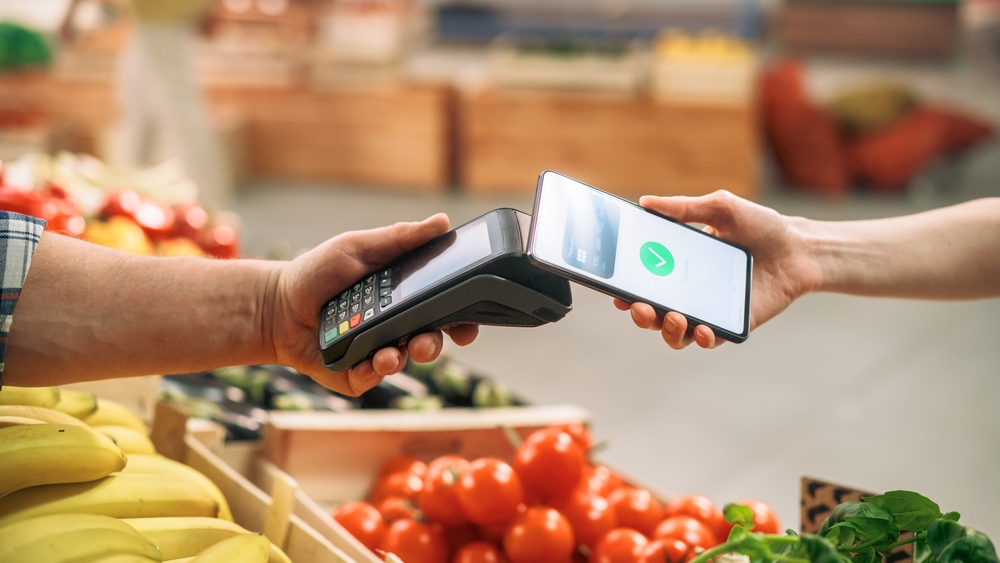
Cash is quietly losing its grip on Hong Kong. Tap your phone at the MTR gate, scan a QR code at the wet market, split dinner with a friend in seconds, none of it needs a wallet stuffed with notes anymore. If you live here, visit often, or are just curious about how the city pays for things, you've probably heard several app names thrown around and wondered which ones actually matter.
So let's cut through the noise. Here are six digital wallets that Hong Kong residents actually use every day, what each one is good at, and where it might fall short.
1. AlipayHK
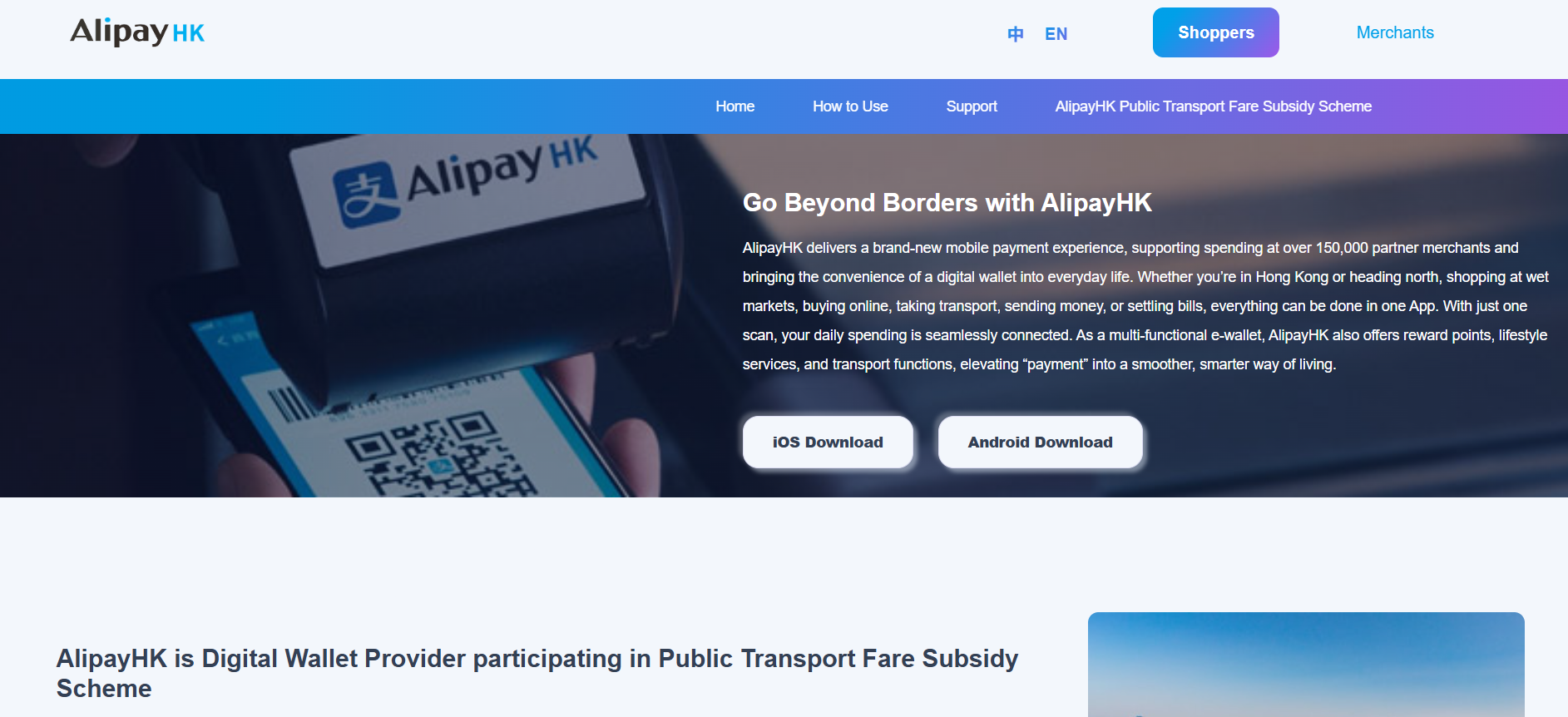
This is where things get interesting for anyone who shops across the border or travels regularly between Hong Kong and the mainland. AlipayHK is worth understanding on its own terms.
As a purpose-built digital wallet Hong Kong residents rely on, AlipayHK covers an unusually wide range of daily needs in one app. You can pay at wet markets, order food delivery, book transport, settle utility bills, and top up mobile data, all without switching apps.
One thing that stands out about AlipayHK is how much everyday admin it absorbs. Water, electricity, gas, government charges, and various other bills can all be settled through the app, which cuts down on the number of separate logins and payment portals you'd otherwise need to juggle.
The rewards side isn't an afterthought
AlipayHK runs a points program called A. Point, where everyday spending earns points that can be used like cash or redeemed for vouchers. There's also a co-branded credit card with Standard Chartered aimed at people who want to earn more from routine spending.
What it's best for: Cross-border shoppers, frequent mainland travelers, and anyone who wants one app for transport, bills, and shopping.
Where it falls short: Like most super-app style wallets, the sheer number of features can feel like a lot if you only want a simple pay-and-go tool.
2. Octopus App
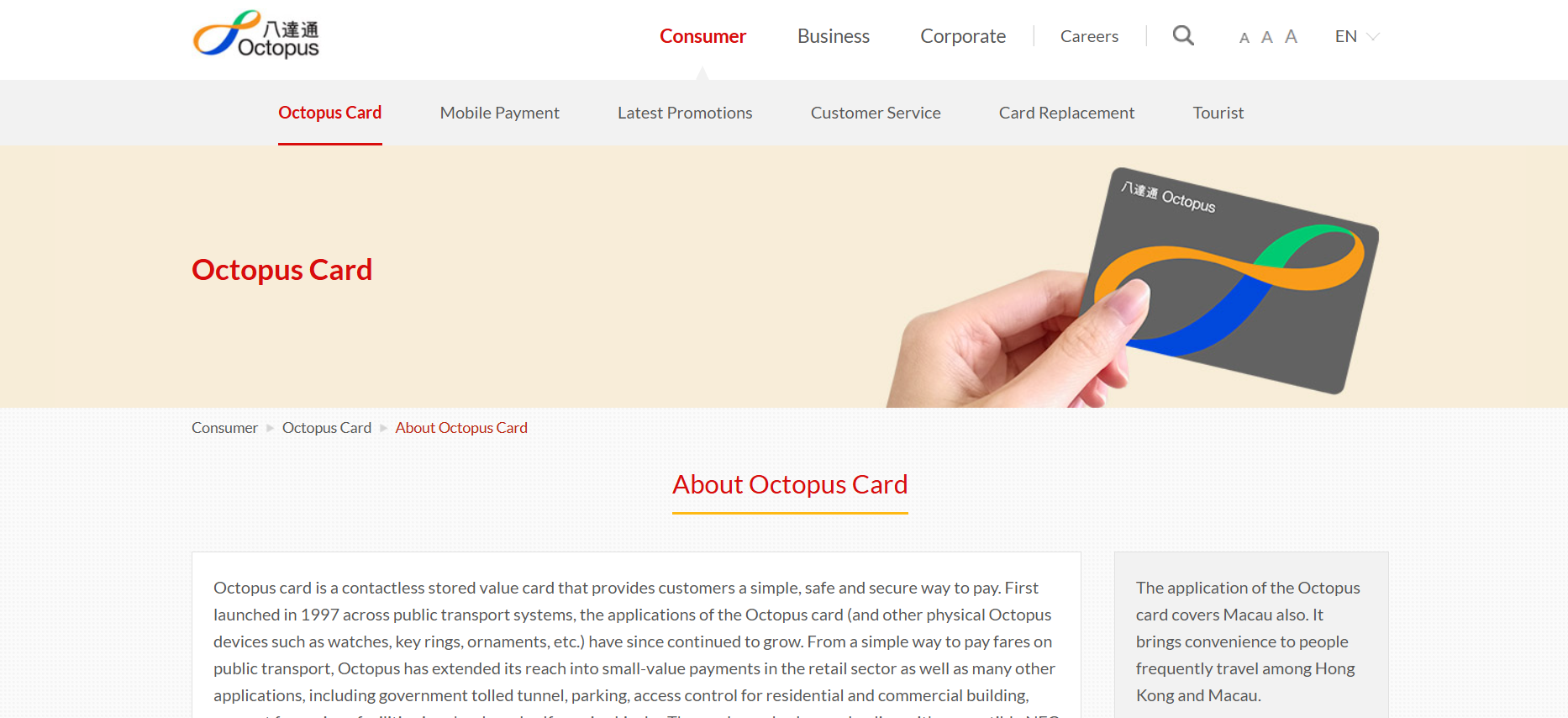
Octopus started life as a plastic transit card back in 1997, and honestly, it's hard to overstate how deeply it's woven into daily life here. Almost everyone who's lived in Hong Kong for more than a week has tapped an Octopus card on a bus or train.
The app version brings that same familiarity to your phone. You can top up instantly using FPS (the Faster Payment System), add value for family members, and tap to pay at convenience stores, supermarkets, and small eateries without pulling out a physical card. It's also used for things you might not expect, like parking meters, vending machines, and even building access at some residential and commercial properties.
What it's best for: Quick, small transactions. Bus fares, snacks, parking, that kind of thing.
Where it falls short: It's not really built for big cross-border spending or online shopping the way some newer wallets are.
3. PayMe by HSBC
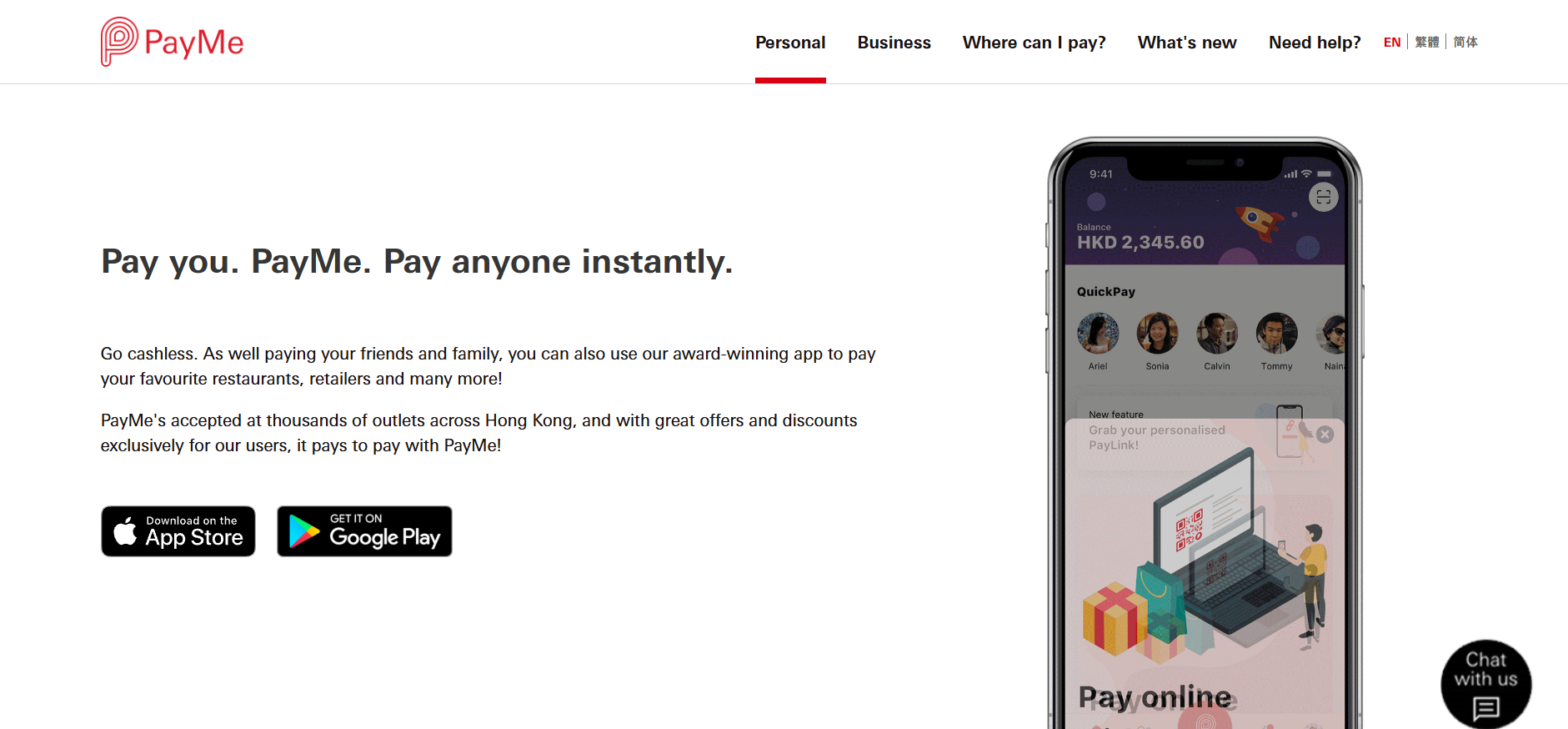
PayMe solved a very specific headache: splitting bills. Before it existed, group dinners in Hong Kong often ended with someone doing mental math and everyone fumbling for cash. PayMe made "just PayMe you back" a normal sentence.
You don't need to be an HSBC customer to use it either, which is worth knowing. Anyone with a Hong Kong bank account or credit card can top up and send money to friends using just a phone number. Over time, PayMe has also picked up in-store acceptance, so it's no longer just a friends-and-family tool.
What it's best for: Peer-to-peer transfers and splitting costs with friends.
Where it falls short: In-store merchant acceptance is decent but not as widespread as some other apps on this list.
4. WeChat Pay HK
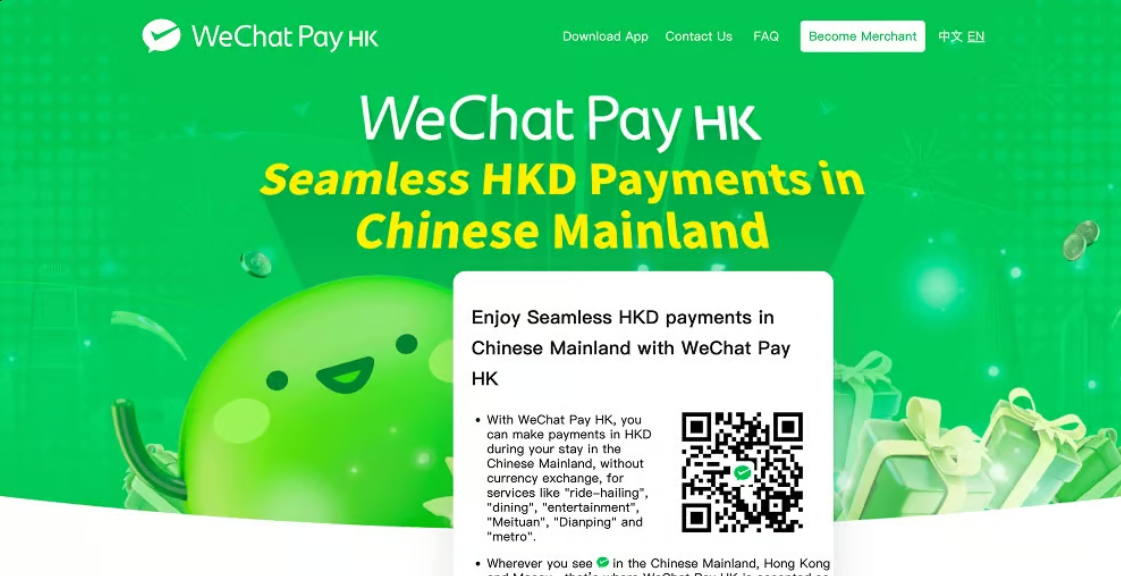
WeChat Pay HK deserves its spot mostly because of how deeply it's tied to WeChat itself, which remains the go-to messaging app for anyone with mainland contacts, family, or business relationships.
It was actually the first mobile wallet letting Hong Kong users settle mainland purchases directly in Hong Kong dollars, with automatic currency conversion. That's genuinely useful if you're booking a ride through Didi or ordering through Meituan while visiting the mainland. Its cross-border coverage has also grown to include smaller merchants and taxis in cities like Shenzhen, so it's not limited to just the big platforms anymore.
What it's best for: Anyone already living inside the WeChat ecosystem for messaging and social contacts.
Where it falls short: If you don't use WeChat regularly, there's less reason to bother downloading it just for payments.
5. Tap & Go
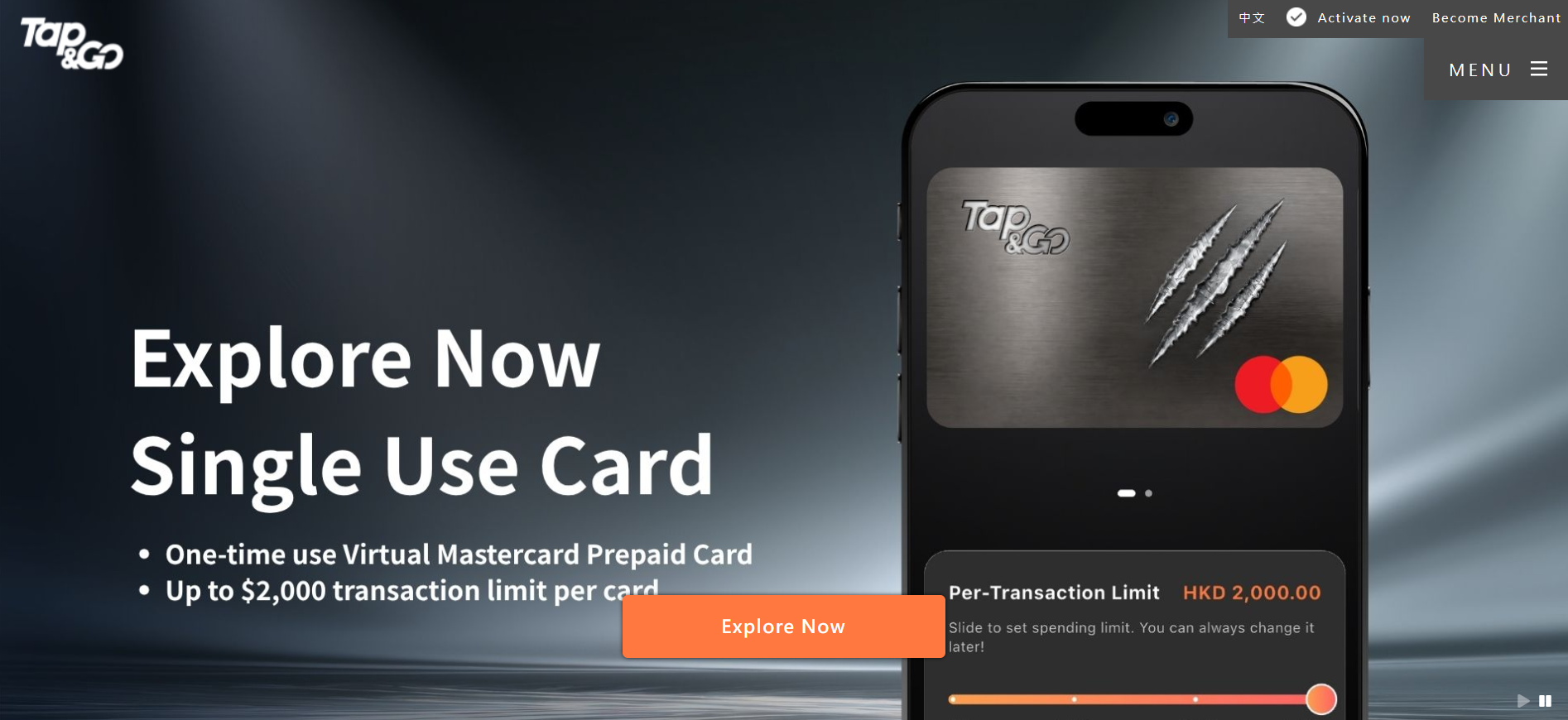
Tap & Go is operated by HKT Payment Limited, part of the HKT Group, and has been around since 2013. It tends to fly a little under the radar compared to the bigger names, but it still counts a solid user base in Hong Kong. It works with both Mastercard and UnionPay card schemes, supports P2P transfers and bill settlement, and often ties into telecom-related perks given its parent company.
What it's best for: Users already in the HKT or CSL ecosystem looking for extra bundled benefits.
Where it falls short: Merchant acceptance and brand visibility are a notch below the top wallets on this list.
6. BoC Pay
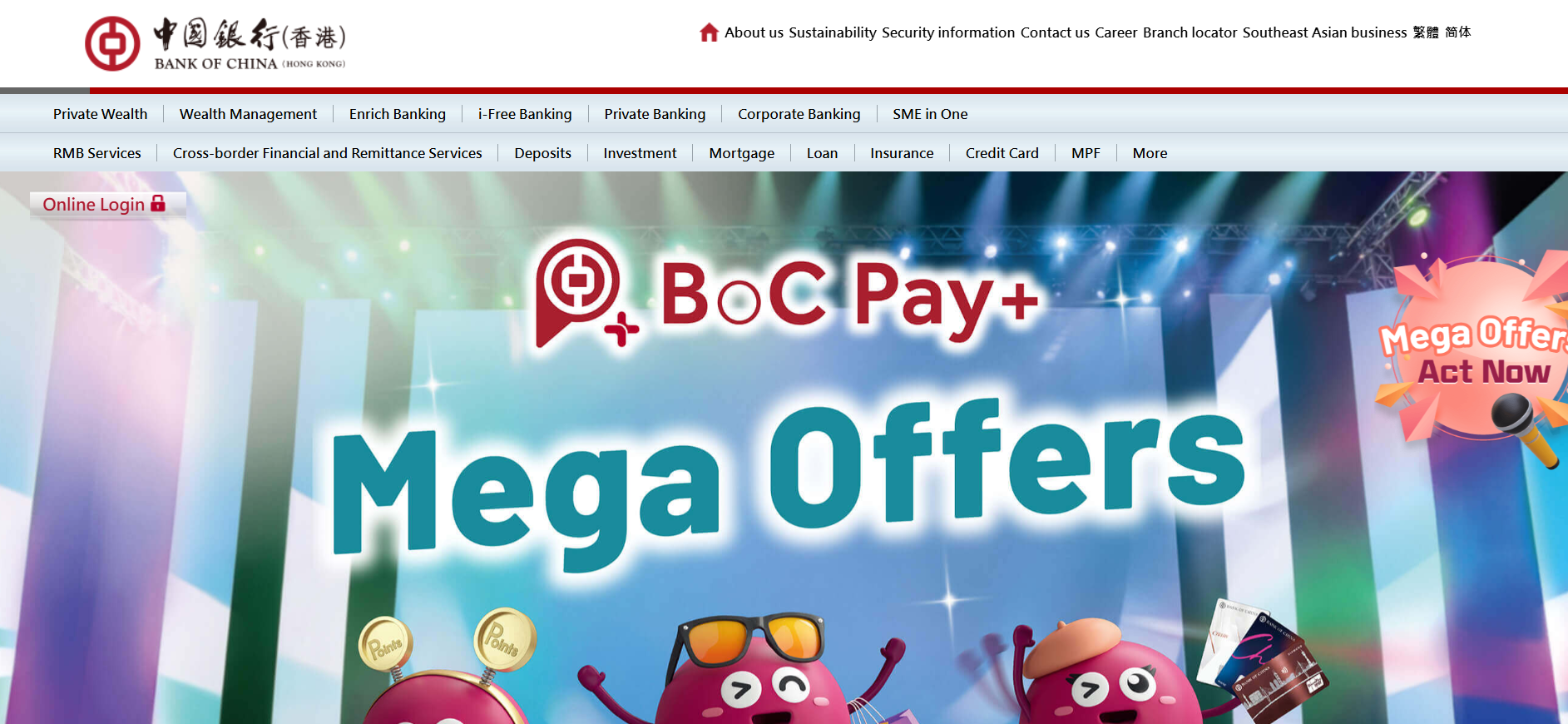
Bank of China's wallet rounds out this list, particularly relevant for cross-border users who deal with the Greater Bay Area often. You don't need to be a Bank of China customer to use it, and it supports P2P transfers, QR payments, and bill payment without requiring a mainland bank account.
What it's best for: Frequent Greater Bay Area travelers who want a straightforward cross-border payment option.
Where it falls short: It has a smaller user base than the others here, so day-to-day merchant coverage in Hong Kong itself is more limited.
So which one should you actually download?
Honestly, most Hong Kong residents end up with two or three of these on their phone rather than picking just one. A common setup looks like Octopus for transit and small daily purchases, PayMe for splitting bills with friends, and a wallet like AlipayHK for bills, cross-border shopping, and everything in between.
It also helps that Hong Kong's Faster Payment System connects many of these wallets and bank accounts together, so moving money between them, or topping up using just a phone number, is usually quicker than people expect.
If you're new to Hong Kong or just tired of juggling apps, start with whichever wallet covers the widest range of your regular spending, then add others as specific needs come up. There's no rule saying you need to stick to just one.
Wrapping it up
Hong Kong's payment landscape has genuinely shifted. Digital wallets now handle a bigger share of both online and in-store spending than cards do, according to recent industry reports, and that trend isn't slowing down. Whether you're a long-time resident or someone visiting for the first time, understanding which wallet does what will save you a fair bit of hassle, and probably a few awkward moments fumbling for cash at checkout.
Try a couple of these out, see which fits your routine, and you'll likely find yourself reaching for your phone at the register more often than your wallet.
FAQs
1. Do I need a Hong Kong bank account to use these digital wallets? Not always. Wallets like PayMe and BoC Pay let you top up using a Hong Kong bank account or credit card, but you don't need to bank with the parent company specifically. Some wallets also let you top up in cash at convenience stores.
2. Can tourists use these wallets during a short visit? Some, yes. A few wallets support visitor accounts or temporary top-ups, though features may be more limited than for local residents with full verification. It's worth checking each app's setup requirements before your trip.
3. Are these wallets safe to use for everyday spending? Generally, yes. They're regulated as Stored Value Facilities under Hong Kong's licensing framework, which comes with security standards. That said, it's always smart to enable two-factor authentication and stay alert to scam calls or messages claiming to be from customer service.
4. Which wallet is best for shopping on mainland Chinese platforms? Wallets with strong mainland integration, like AlipayHK and WeChat Pay HK, tend to work best here since they support direct currency conversion and are widely accepted across mainland merchants and platforms.

.jpg)