6 Signs It’s Time to Rethink Your Café’s Sandwich Bread
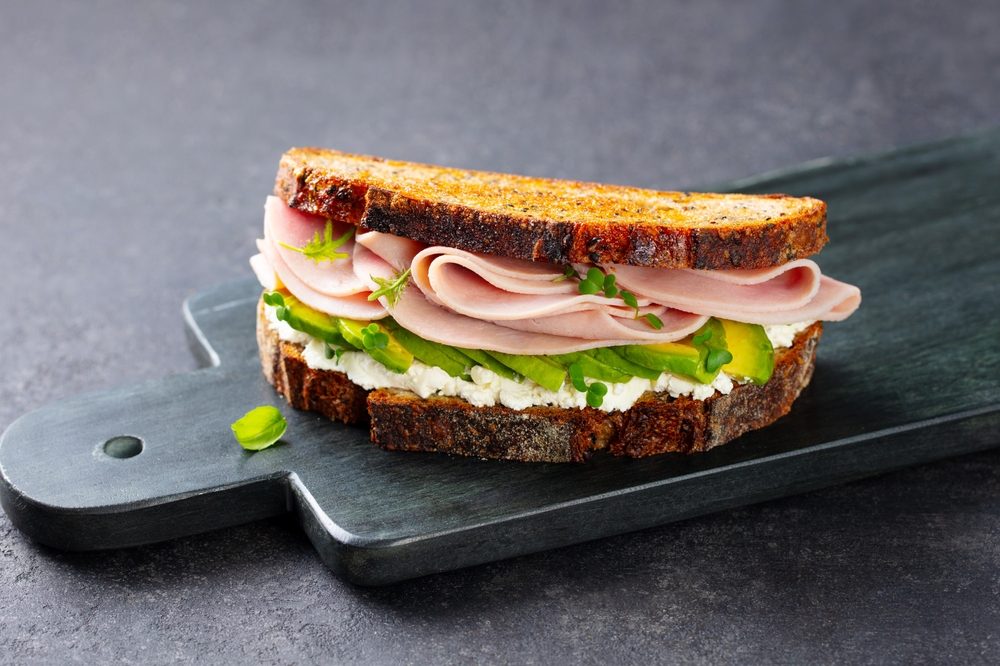
A sandwich can have carefully chosen fillings and still disappoint if the bread does not suit the job. But a torn slice or soggy base does not automatically mean the supplier needs replacing. Storage, assembly and holding can all affect the result.
These six signs give café managers a reason to review their sandwich bread. Look for a repeated pattern, then test one change at a time before committing to a different product or delivery arrangement.
1. Sandwiches do not hold together through normal service
A sandwich that tastes good at the preparation bench may perform differently after wrapping, transport or a wait before collection. Watch for bases that soften, crusts that split and fillings that escape when customers lift the sandwich.
Test the current bread with the actual recipe and packaging. Compare a sandwich served immediately with one held under the café's normal food safety procedures. This shows whether the problem develops during holding; it does not, by itself, prove the bread is responsible.
Next, change one variable, such as draining a filling or adjusting assembly order. If the problem remains, compare another carrier using the same filling quantities and holding conditions. Choose for the way customers actually eat, not appearance alone.
2. Bread creates repeated extra work at the bench
Staff regularly patching torn slices, trimming broken edges or rebuilding sandwiches can signal a mismatch between the product and the workflow. Record the task that causes trouble rather than treating every remake as the same problem.
Check the process first. Knife condition, slicing technique, filling temperature and grill settings can all be worth investigating. Confirm that staff follow the product's preparation instructions, particularly when using frozen stock.
Then trial an alternative under the same conditions. A pre-sliced loaf might remove a preparation step, while a different roll size might make portioning easier. Compare handling time and the finished sandwich together. A product that saves a little preparation but disappoints customers is not necessarily an improvement.
3. Unsold bread remains a recurring loss
Leftover bread deserves attention when it persists across comparable trading days, especially after ordering quantities have been adjusted. Count what arrives, what is used, what remains usable and what is discarded. Record why each discarded batch could not be sold.
The cause might be an oversized opening order, an unpopular sandwich or incorrect storage rather than the bread itself. Separate those causes before changing the range.
Frozen thaw-and-serve bread may offer another way to plan quantities, provided freezer capacity and thawing lead times suit the business. It still requires forecasting: frozen backup cannot necessarily become a sandwich immediately. Compare waste and availability during a controlled trial rather than assuming that changing format will solve both.
4. Case sizes and deliveries work against demand
A popular bread can still be awkward to buy. Large cases may tie up storage, while minimum orders or delivery intervals may leave a small café carrying more stock than it needs.
Ask the distributor about case quantities, delivery options and substitutions. Compare those answers with actual weekly usage and usable freezer space. Leave capacity for stock rotation and the storage conditions specified for each product.
For a range comparison, Kara Foodservice lists frozen artisan breads, sandwich carriers and sliced bread, alongside vegan and gluten-free options. Check individual specifications rather than treating frozen bakery products as one format: thaw-and-serve bread, par-baked products and raw dough have different preparation needs.
A better fit may mean fewer bread types, a different case size or a revised delivery arrangement, not necessarily a new supplier.
5. Customer requests expose a gap in the range
Keep a record of requests the current menu cannot meet. Note the specific request and how often it occurs, rather than assuming every inquiry justifies another bread line.
Before adding a vegan or gluten-free option, obtain current ingredient and allergen information for the exact product. Assess fillings, spreads, utensils, equipment and storage as well as the bread. Vegan does not mean allergen-free, and choosing a gluten-free carrier alone does not resolve cross-contact risks during preparation.
Consider whether the kitchen can support the proposed menu description through its food safety procedures. If it can, trial a manageable quantity and measure uptake. The aim is a suitable, clearly described option that staff can prepare consistently, not a dietary claim the operation cannot support.
6. A low purchase price does not produce a low cost per sale
Compare bread on a consistent basis. For a representative period, calculate the bread cost attributable to sandwiches sold, including bread discarded or used in remakes. Account for opening and closing stock so a delivery at the end of the week does not distort the result.
Then consider relevant delivery charges and preparation labor separately. Keep filling costs comparable when testing carriers; otherwise a recipe change can disguise the difference in bread costs.
A higher-priced carrier might prove worthwhile if it performs better, but that needs evidence from the café's own service. Likewise, a cheaper product may be entirely suitable once handling problems are corrected. Use total operating results rather than invoice price or assumptions about quality.
Test before changing the whole menu
Shortlist an alternative and run it alongside the existing bread under comparable conditions. Record customer feedback, preparation time, holding performance, availability and waste. Follow each manufacturer's storage, thawing, handling and use-after-thaw instructions throughout.
Review the results with staff before expanding the order. The right bread is the one that fits the recipe, service and purchasing pattern, not simply the newest option in the catalog.