A Guide to Managing Unexpected Costs in Business Operations

It's Monday morning. You unlock the front door and spot a damp patch on the ceiling. By noon, it's a steady drip. By Wednesday, you're holding a repair bill nobody planned for.
Every business owner has a day like this. Maybe it's a dead air conditioner, a burst pipe, or a storm that rips up the roof. You can't predict the exact date, but you can predict that something will eventually break. This guide shows you how to prepare, respond, and keep a surprise bill from turning into a cash crisis.
Why Surprise Costs Hurt So Much
Unexpected business expenses rarely show up at a good time. They land in the middle of payroll, inventory orders, or a slow season. Your cash already has a job, so a sudden bill for several thousand dollars can force you to delay vendors, put off hiring, or lean on a credit card.
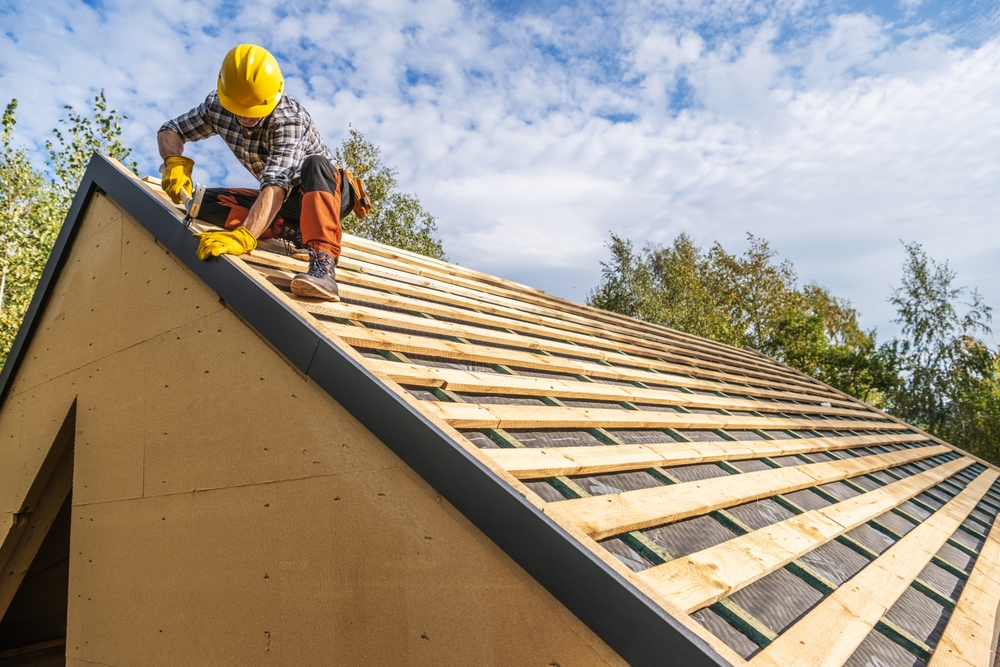
The damage also grows when you wait. Take a leaking roof. A small gap lets in water, the water soaks the insulation, and soon you're dealing with ruined ceiling tiles, mold, and maybe wet equipment. That's why speed matters. Many roofing contractors offer emergency repair services, and a same-day patch or tarp can stop a small problem from becoming a major one.
The same idea applies to every part of your building. Fast action saves money, and being ready saves even more.
Common Reasons for Emergency Repairs
The most common reasons for unexpected repair costs are:
- Roof leaks and storm damage. Commercial roofs are prone to damage caused by wind, hail, and heavy rain. This can cause minor issues that then lead to roof leaks.
- HVAC failure. Heating and cooling systems have a habit of breaking down when you need them most. This is usually around the hottest and coldest weeks of the year.
- Plumbing failure. Plumbing issues can cause part of your space to become inaccessible very quickly. This can be anything from burst pipes to blocked drains.
- Electrical issues. Old wiring, tripped panels, and electrical surges can bring your business to a standstill and pose a risk.
- Equipment failure. Ovens, freezers, servers and production equipment rarely give much notice before breaking down.
- Outside damage. This can include cracked paving, damaged lighting, and loose railings, which can cause injury and claims.
Did you spot a pattern here? Many of these issues are due to age or lack of maintenance, so it's good news because you can plan for these.
Build a Cushion With Business Expense Planning
The simplest protection is a repair reserve. That's a separate account used only for building and equipment problems. Treat it like a monthly bill you owe yourself, even if the amount starts small.
Here's an easy way to size it:
- List your major systems, such as the roof, HVAC, plumbing, electrical, and key equipment. Note how old each one is.
- Estimate what each would cost to repair or replace. If you're unsure, call a contractor and ask for a rough range.
- Divide each cost by the years of life that system has left, then add the results together. That's your target monthly savings.
For example, if a rooftop unit has eight years left and would cost $16,000 to replace, you'd set aside about $2,000 a year, or roughly $167 a month.
This approach is the heart of facility maintenance budgeting. You spread a high cost over many months, so it feels like a small expense instead of a shock. Review the numbers once a year, because prices and equipment ages change.
Keep this reserve separate from your general emergency cash. Many financial advisors suggest holding several months of operating expenses for slow periods, and mixing the two funds makes both harder to track.
Make Preventive Maintenance Planning a Habit
By getting maintenance done early on, you can save on repair costs. To help make this simple:
- Check your roof twice a year, once in spring and once in autumn. Also check after any large storms. Make sure drains and gutters are clear.
- Get HVAC serviced before summer and winter.
- Check for leaking or rusty pipework, water heaters, and drains.
- Have a qualified electrician check your panels and backup power.
- Ensure you follow the manufacturer's schedule for servicing equipment. Keep spares for frequently broken equipment.
Keep a maintenance log. Note the date, what was done, the cost, and who did it. This will show you what systems are problematic over time and can help to back up any insurance claims.
Although good maintenance on commercial properties will reduce surprises, it will also give you more control over when you spend money.
Plan for the Whole Business, Not Just the Building
A broken roof or pipe is one piece of business risk management. A closed building can also mean lost sales, idle staff, and unhappy customers. It helps to look at the full picture.
The federal government's Ready Business program offers free tools to help you build a preparedness plan that covers communication, technology recovery, and keeping operations going during a disruption. You don't need a huge document. Even a few pages that say who to call, where records are stored, and how to reach employees can save hours when trouble hits.
Insurance belongs in this plan, too. Take an hour to read your policy and note these points:
- Your deductible. Some policies set a separate, higher deductible for wind or hail.
- What's covered. Sudden damage is often treated differently from wear and tear.
- Your duties after a loss. Most policies expect you to take reasonable steps to prevent more damage and to report the loss quickly.
If you don't understand something, call your agent now. It's much easier to ask questions before you have a claim.
What to Do in the First 24 Hours
When damage happens, a clear checklist keeps panic from driving your decisions.
- Make the area safe. Move people out, and shut off water or power only if you can do it safely.
- Document everything. Take photos and short videos of the damage before you clean up.
- Call your insurer. Report the loss and ask what they need from you.
- Get temporary protection. Cover openings, stop leaks, and move valuable items. Save every receipt.
- Collect written estimates. Once things are stable, get details on permanent fixes and timelines.
- Tell your team and customers. A short, honest update protects trust.
Handling storm damage repairs in this order protects your health, your claim, and your budget.
How to choose a Contractor when under pressure
In the aftermath of a large storm, there will be high demand for repairs, meaning you may find some local contractors looking for fast jobs. Take your time and make sure:
- They are licensed and have proof of insurance.
- Ask for local references and call at least 2.
- Ensure they have written confirmation of what work is required, cost, and timescales.
- Do not pay the full price up front. It is usual to pay a small deposit; however, if they ask for large deposits, this could be a red flag.
- Ask about guarantees for materials and labour.
If you can, get 2-3 quotations. Do not just go for the cheapest option, as this can often be the most expensive if the work goes wrong.
Conclusion
Whilst you cannot avoid everything that will take you by surprise, you can prevent most of them from causing an emergency. Simply save a little each month, schedule regular building checks, familiarise yourself with your insurance and create a simple action list.
Start now by taking a walk around your property, taking note of how old your major systems are, and starting a repair fund. Taking small steps will help make unexpected costs much more manageable. Your team will feel like they have a task to do when they see the next drop of water on their ceiling.
Frequently Asked Questions
1. Can we claim emergency repairs as tax-deductible?
Most of the time, yes. Any repairs that keep your property in good working order can be claimed as tax-deductible. Improvements will generally need to be depreciated. Speak to your accountant to confirm.
2. When should I repair or replace my damaged roof?
If only small areas are damaged and your roof has a long life left, then repairing it would be the best option. If there are recurring leaks, it is towards the end of the roof's life, or you're paying similar amounts in repairs as you would in replacing it, then you should consider replacing.
3. What is business interruption cover?
Business interruption cover will generally pay out to replace any lost income from your business. It will also cover some running costs such as wages and rent. Most policies will have waiting periods and limits; make sure you're aware of the terms of your policy.