How the Right Commercial Roofing Contractor Can Simplify Large-Scale Property Projects
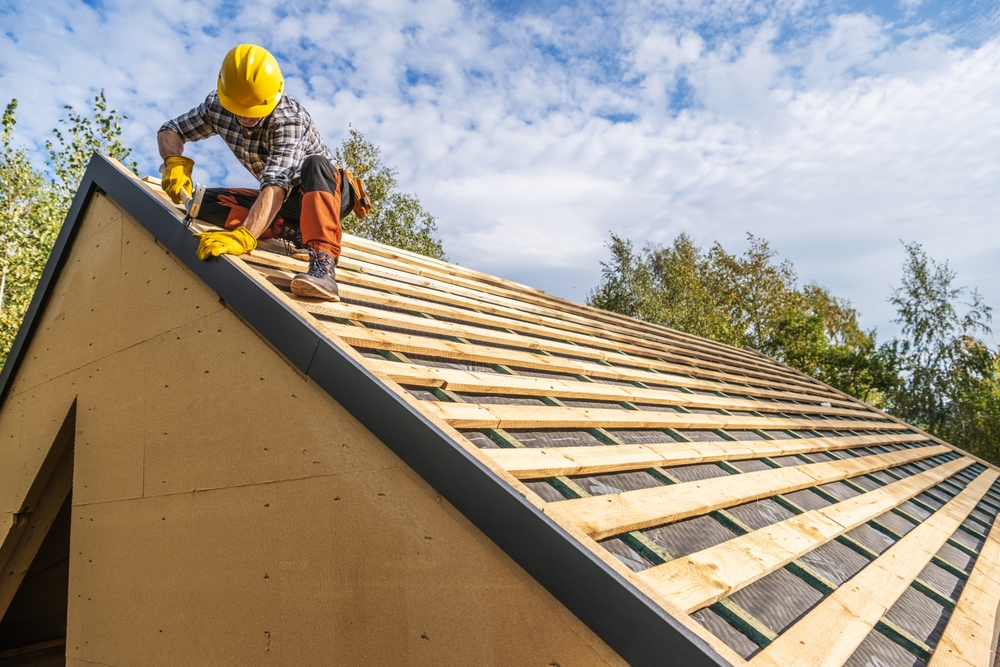
A commercial roof replacement is rarely just a roofing job. On a large property, it touches insulation, drainage, rooftop equipment, permits, tenant schedules, and warranty paperwork, and a gap in any one of them can hold up the whole project. In the Chicago suburbs, there's the weather to plan around too, since cold temperatures can limit when certain adhesives and membranes can be installed properly.
The right commercial roofing team takes those moving parts off your desk and manages them as one connected project. Here's where you'll notice the difference most.
A Detailed Roof Assessment Sets the Direction
On a large roof, surprises get expensive quickly. Wet insulation under the membrane, a deteriorated deck, or water ponding around blocked drains can change the scope of a project overnight. An experienced commercial contractor looks for these problems before pricing the work, checking the existing roof system, substrate, drainage, penetrations, and parapet walls.
The assessment also answers the biggest question on the table: repair, coat, or replace? A structurally sound flat roof that's showing its age may be a good candidate for a coating, which can extend its service life at a fraction of the cost of replacement. Sometimes only one section needs rebuilding. An honest answer here can save you from paying for a full tear-off you don't need.
Itemized Proposals Keep the Scope Clear
Commercial roofing bids can be surprisingly hard to compare. One arrives as a lump sum, another leaves out the flashing, and a third assumes a different insulation value. You can't judge price when each bid covers a different scope.
An itemized proposal clears that up. The system specification, insulation, flashing, drainage, coping, and deck repairs each get their own line, so you can see what you're paying for and explain it to an owner or board.
One Project Manager Keeps Everything Connected
A large re-roof involves material deliveries, permit inspections, roof access, and crew schedules, all happening at once. If you're chasing the estimator, the foreman, and the office separately, that coordination quietly becomes your job. A single project manager who knows both the roof specification and your building keep it in one place, so you make one call instead of five.
If you're comparing options across the Chicago suburbs or Southern Wisconsin, commercial roofing services from Lakeland show what this looks like in practice. Lakeland Exteriors & Roofing puts a dedicated project manager on the assessment, then schedules work around tenant activity and shares daily progress with your facilities team.
Phased Installation Keeps the Property Running
Tear-off is loud, and materials have to move across the site while the building stays open. Experienced commercial crews handle this by dividing the roof into phases. They plan the noisiest tear-off around tenant hours where local rules allow, stage materials away from main entrances, and open only as much roof as they can make watertight that day.
On an apartment complex, that might mean working through one section at a time and telling residents before the crew reaches their area. On a building with rooftop HVAC units, it means agreeing on any equipment shutdowns with the facilities team in advance.
The Right Roof System for the Building
Large properties rarely suit a one-size-fits-all roof. TPO offers a reflective surface and heat-welded seams, which helps reduce cooling loads. EPDM handles big roof areas and wide temperature swings well. PVC resists grease and chemicals, so it makes sense for commercial kitchens and food processing facilities. Modified bitumen holds up on roofs with heavy foot traffic or mechanical equipment, while built-up roofing brings several layers of protection and strong fire resistance.
A contractor who installs several of these systems can base the recommendation on how your building is used and the condition of the current roof, instead of steering you toward the one product they know. If the property also has pitched sections, having the same team handle commercial shingles keeps the whole project under one scope.
Safety and Licensing Are Sorted Early
Commercial roof work carries real risk, and that matters to anyone responsible for a property. According to the U.S. Bureau of Labor Statistics, roofing contractors accounted for 26 percent of fatal falls, slips, and trips in construction in 2023, or 110 deaths. So before work starts, ask how the crew will manage fall protection, roof access, and site safety.
A reliable commercial roofer will also hand over state licensing details and proof of workers' compensation and general liability coverage without any fuss. Settling this at the start removes one more open question from your project.
Warranty Paperwork Gets Handled at Closeout
A roofing project isn't really finished until the warranty is in place. A strong contractor cleans the roof and surrounding areas, documents the completed installation, and submits the manufacturer registration on your behalf, so the paperwork doesn't land on your desk.
It's also worth asking exactly what's covered. A No Dollar Limit (NDL) warranty, for example, puts no cap on what the manufacturer will pay to repair or replace a failed system during the warranty period. Ask to receive both the manufacturer and workmanship warranty certificates before the final invoice.
Conclusion
A large commercial roofing project will always have plenty of moving parts. The right contractor brings them together through a thorough roof assessment, an itemized scope, one project manager, a phased installation, and complete warranty documents at closeout.
When you compare contractors, look closely at how they handle each of those stages. That's usually what separates a stressful re-roof from one your team and tenants hardly have to think about.