CNC Thread Machining: Precision Threads Made Simple
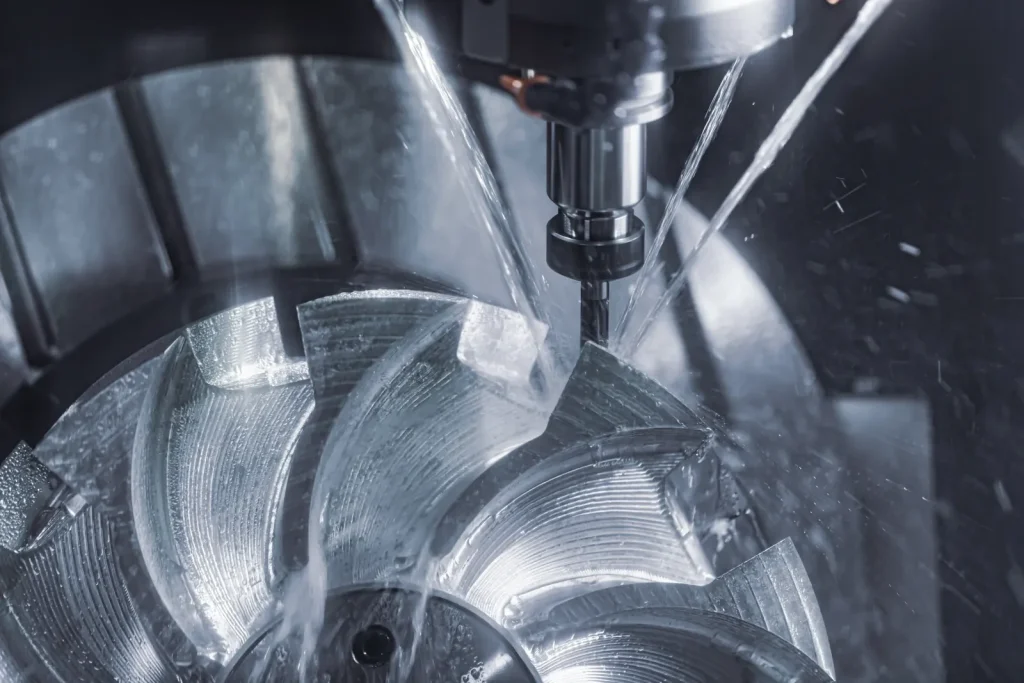
When you’re working with mechanical parts, threads are one of those details that either make everything fit perfectly or cause endless headaches. If you’ve ever struggled with mismatched threads, rough finishes, or tolerance issues, you already know how critical precision is. That’s where cnc thread machining comes into play.
In this guide, I’m going to walk you through how cnc thread machining really works, what makes it different from traditional threading methods, and how to get consistent, high-quality results. Whether you’re sourcing parts or machining them yourself, this is the kind of knowledge that saves time, money, and frustration.
What Is CNC Thread Machining?
A Practical Definition
At its core, cnc thread machining is the process of creating internal or external threads using computer-controlled machines. These threads allow parts to fasten together securely, whether it’s a bolt and nut or a threaded hole in a precision component.
Unlike manual threading, CNC machines follow programmed toolpaths with incredible accuracy. That means you can produce threads that are consistent across hundreds or thousands of parts without variation.
Why It Matters in Modern Manufacturing
In today’s manufacturing environment, tolerance requirements are tighter than ever. Aerospace, automotive, and medical industries rely heavily on cnc thread machining because even a slight deviation can lead to failure.
From my experience, one poorly machined thread can hold up an entire assembly line. That’s why CNC-based threading has become the standard rather than the exception.
Types of Threads in CNC Machining
Internal vs External Threads
Internal threads are cut inside a hole, like in a nut or a threaded housing. External threads are formed on the outside of a shaft or bolt. Both are common in cnc thread machining, but they require different tools and strategies.
Internal threading tends to be trickier because chip evacuation is harder, especially in deep holes. External threading, on the other hand, allows better visibility and chip control.
Standard Thread Forms
You’ll come across several thread standards in cnc thread machining. Metric threads are widely used globally, while Unified threads dominate in the United States. There are also specialized forms like ACME threads and pipe threads.
Each standard has its own geometry, pitch, and application. Choosing the right one is not just about compatibility, it’s about performance under load, sealing capability, and ease of assembly.
Custom Threads for Specialized Applications
Sometimes standard threads just don't cut it. In industries like oil and gas or aerospace, custom thread profiles are often required. CNC machines excel here because they can follow virtually any programmed geometry.
This flexibility is one of the biggest advantages of cnc thread machining over traditional methods.
Those capabilities are particularly relevant in industries where threaded components must meet demanding specifications and custom geometries are common. Oil and Gas Machining is one example where precision CNC processes can support specialized components that require consistent tolerances, repeatable production, and carefully controlled machining.
CNC Thread Machining Methods Explained
Thread Turning
Thread turning is performed on a lathe. The cutting tool moves linearly while the workpiece rotates, creating the thread profile.
This method is ideal for external threads and large diameters. It’s also highly efficient for production runs.
Thread Milling
Thread milling uses a rotating cutter to create threads. The tool follows a helical path, gradually forming the thread.
What I like about this method is its versatility. You can adjust the diameter easily, and one tool can handle multiple thread sizes. That’s a big advantage in cnc thread machining when dealing with custom parts.
Tapping
Tapping is one of the fastest ways to produce internal threads. A tap tool cuts the thread directly into a pre-drilled hole.
However, it’s not always the best choice. If the material is hard or the hole is deep, taps can break, and that’s never fun to deal with.
Thread Grinding
For extremely tight tolerances and high surface finishes, thread grinding is used. It’s slower and more expensive but delivers unmatched precision.
This method is typically reserved for high-performance components where failure is not an option.
Tools Used in CNC Thread Machining
Cutting Tools and Inserts
The quality of your threads depends heavily on the tools you use. Carbide inserts are common because they offer durability and precision.
In cnc thread machining, selecting the right insert geometry ensures proper chip formation and reduces tool wear.
Taps and Thread Mills
Taps are straightforward but limited. Thread mills, on the other hand, provide flexibility and reduce the risk of tool breakage.
If you’re working with expensive materials, thread milling is often the safer choice.
Tool Holders and Setup
Even the best cutting tool won’t perform well if it’s not held securely. Proper tool holders and alignment are critical.
I’ve seen setups where a slight misalignment led to inconsistent threads across an entire batch. It’s a small detail, but it makes a huge difference.
Materials and Their Impact on Thread Machining
Metals and Alloys
Different materials behave differently during cnc thread machining. Aluminum is relatively easy to machine, while stainless steel can be challenging due to its toughness.
Titanium adds another layer of complexity because of its heat resistance and tendency to gall.
Plastics and Composites
Plastics are often easier to thread, but they come with their own challenges. Deformation and poor chip formation can affect thread quality.
Proper speeds and feeds are essential to avoid melting or tearing.
Choosing the Right Parameters
Feed rate, spindle speed, and depth of cut all play a role in thread quality. There’s no one-size-fits-all setting.
This is where experience really counts. Fine-tuning parameters is what separates average results from exceptional cnc thread machining.
Common Challenges and How to Solve Them
Tool Wear and Breakage
Tool wear is inevitable, but it can be managed. Using high-quality tools and optimizing cutting parameters extends tool life.
In cnc thread machining, monitoring tool condition is critical. A worn tool can ruin an entire batch before you even notice.
Chip Control Issues
Poor chip control can lead to surface defects or even tool damage. This is especially common in internal threading.
Using proper coolant and selecting the right tool geometry helps manage chips effectively.
Thread Accuracy Problems
Accuracy issues often stem from machine calibration or improper setup. Regular maintenance and verification are essential.
When threads don’t meet specifications, it’s rarely just one factor. It’s usually a combination of tooling, setup, and programming.
Quality Standards and Inspection
Measuring Thread Dimensions
Thread gauges are commonly used to verify size and fit. Go and no-go gauges provide a quick way to check compliance.
For more detailed inspection, optical measurement systems can analyze thread profiles.
Surface Finish Requirements
Surface finish affects how smoothly threads engage. Rough surfaces can cause friction and wear.
In cnc thread machining, achieving a consistent finish requires proper tool selection and cutting conditions.
Industry Standards
Standards ensure compatibility and reliability. Following recognized thread standards is essential for any production environment.
If you’re unsure about specifications, it’s always worth consulting detailed resources like this guide on cnc thread machining to better understand thread types, tools, and sizing charts.
Advantages of CNC Thread Machining
Precision and Repeatability
One of the biggest advantages is consistency. CNC machines can produce identical threads across large production runs.
That level of repeatability is hard to achieve with manual methods.
Flexibility in Design
Whether you need standard or custom threads, cnc thread machining offers unmatched flexibility.
You can switch between different thread types without changing the entire setup.
Efficiency in Production
Automation reduces labor and increases output. Once the program is set, production can run with minimal intervention.
This efficiency translates directly into cost savings over time.
Best Practices for Better Results
Optimize Toolpaths
Efficient toolpaths reduce machining time and improve surface finish. CAM software plays a big role here.
Use Proper Coolant Strategies
Coolant helps manage heat and improve tool life. In threading operations, it also aids in chip evacuation.
Regular Machine Maintenance
A well-maintained machine produces better results. Calibration, lubrication, and inspection should be part of your routine.
Choosing the Right CNC Partner
Experience and Expertise
Not all machining providers are equal. Look for those with proven experience in cnc thread machining.
Equipment and Capabilities
Modern machines and advanced tooling make a big difference. Ask about their capabilities before committing.
Quality Assurance Processes
Reliable suppliers have strict quality control measures in place. This ensures consistent results and reduces risk.
Final Thoughts on CNC Thread Machining
If there’s one thing I’ve learned over the years, it’s that threads are deceptively simple. They might look straightforward, but achieving perfect threads consistently takes skill, precision, and the right technology.
Cnc thread machining bridges that gap. It combines automation with accuracy, allowing manufacturers to produce high-quality threads at scale. Whether you’re dealing with standard fasteners or complex custom components, mastering this process is essential.
And honestly, once you get it right, everything else just fits together the way it should.