Electric Boat Motors vs. Gasoline Engines: A Detailed Comparison of Performance, Range, Maintenance, and Total Cost of Ownership
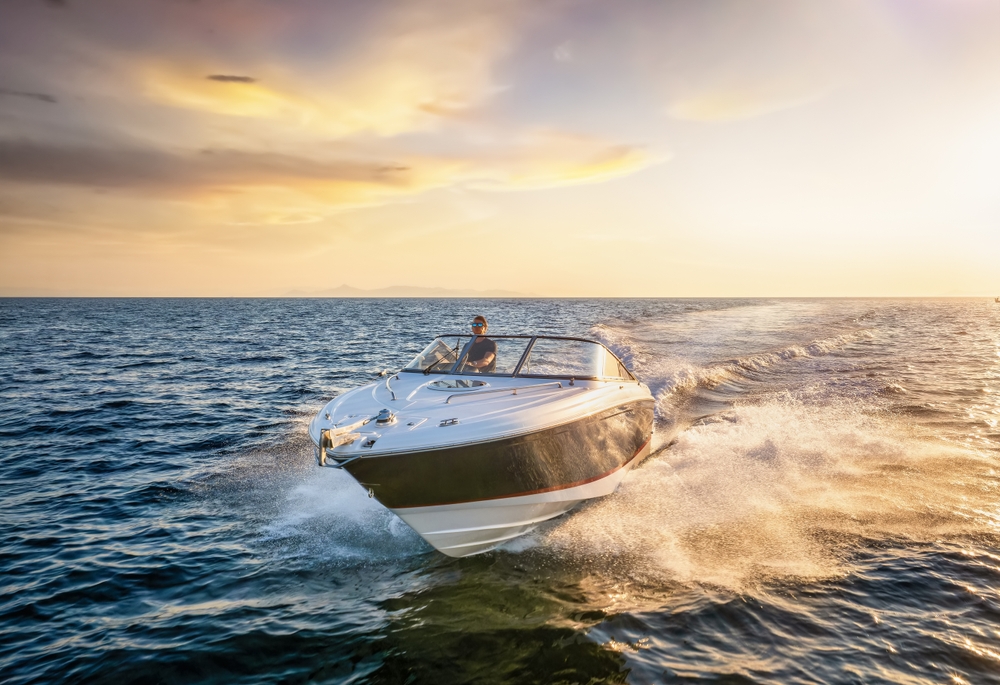
Put two identical boats side by side and the engine choice changes almost everything about how they run. Electric boat motors and gasoline outboards can push the same hull across the same water, yet they behave very differently once you look past the spec sheet. One is stronger on speed and endurance. The other is stronger on control, quiet and upkeep. This comparison works through the four areas that decide most buying choices: performance, range, maintenance and total cost of ownership.
Electric and Gasoline Outboards at a Glance
Before getting into detail, it helps to see the trade offs in one place. Modern electric boat motors have closed the gap in several areas, especially for tenders and small boats running at modest speeds, while gasoline keeps a clear lead in others.
Performance Comparison
Acceleration and Handling
An electric motor delivers full torque the moment it starts turning, so the boat responds instantly and smoothly. Docking in a crosswind, landing on a beach or holding position near a mooring becomes easier. A gasoline engine needs to build revs before it produces useful thrust, and small outboards can feel hesitant at idle. Electric motors also hold a very slow, steady speed without stalling, which makes trolling and no wake zones easier to manage.
Top Speed and Planing
Gasoline takes this category. A 2025 comparison in a sailing publication noted that gas outboards offer higher top speeds and far longer range than electric models, even though they are louder and need more maintenance. Getting a hull onto plane demands a burst of power that drains a battery quickly, so electric drives perform best on light boats at displacement speeds.
Noise and Smoothness
Performance also includes how the ride feels. A peer-reviewed acoustics study comparing an electric outboard with a combustion outboard of equal power measured up to 43 decibels less broadband underwater noise at 4 knots, mainly because electric propulsion removes combustion and exhaust noise. On board, that means normal conversation, no exhaust smell, and far less vibration.
Range Comparison
Energy Carried on Board
Gasoline stores a great deal of energy in very little space. One manufacturer's 4 horsepower outboard is rated for about 40 minutes at full throttle on its built-in 0.26-gallon tank. Electric range depends on battery capacity, and portable batteries hold far less usable energy than a tank of fuel of similar size.
How Speed Changes Range
Speed affects both engines, but it matters more for electric. Water resistance rises steeply as a boat goes faster, so a small integrated battery that lasts for hours at a slow cruise can empty in well under an hour at full throttle. Slowing down by a few knots often extends electric range dramatically.
Refueling Versus Recharging
A gas outboard refills in minutes at almost any marina, and a spare jerry can adds range instantly. Recharging takes much longer. A 1 kWh battery on a 300-watt charger needs roughly three and a half hours, which is why many electric owners carry a spare battery or charge from solar panels on the mother ship.
Maintenance Comparison
Gasoline Service Schedule
Gas outboards follow a well-established routine. Typical four-stroke schedules include:
- Engine oil and filter changes every 100 hours or once a year
- Gear oil changes at least annually
- Water pump impeller replacement every 300 hours or three years
- Spark plug inspection and replacement as needed
Fuel Requirements
Fuel adds another layer of care. Recreational boat engines may only use gasoline containing no more than 10 percent ethanol, and E15 is prohibited in recreational boats by federal law. Owners also need stabilizer for storage and a winterizing routine to avoid stale fuel problems.
Electric Care Routine
Electric outboards skip oil, spark plugs, and fuel systems entirely. Owners rinse the motor after saltwater use, inspect seals and the propeller, keep connectors clean, and store the battery at a partial charge through the off season. The battery is the one major wear item to plan around.
Total Cost of Ownership Comparison
Purchase Price
Gasoline wins upfront. A 2025 buyer's guide put the price difference between gas and electric outboards in the 3 horsepower range at about $4,200 to $6,000.
Ten-Year Running Costs
Running costs depend mostly on hours of use. The estimate below assumes gas at $3.90 per gallon and 0.25 gallons per hour, a $150 service every 100 hours or once a year, an average electric draw of 1 kW, electricity at 18 cents per kWh, about $30 a year in electric upkeep, and one battery replacement budgeted at $1,200.
What the Numbers Show
At light use, electric saves only a few hundred dollars over a decade, so the purchase price dominates. At heavier use, the running cost gap approaches $2,000 and closes much of the price difference. Higher fuel prices or dealer service rates push the math further toward electric. Battery life is the biggest variable in the electric column. A pack that lasts the full decade removes the $1,200 line entirely, while heavy use or poor storage habits could bring a replacement sooner.
Common Questions
Is an electric outboard as powerful as a gas outboard with the same rating?
Not always. Gas horsepower is measured at the prop shaft, while electric equivalence claims vary by brand, so compare tested speed and thrust instead.
Does running slower really extend electric range?
Yes. Because water resistance climbs sharply with speed, easing off the throttle is the simplest way to stretch a battery.
Which costs less to own over ten years?
It depends on hours. Gasoline usually costs less for light use, while electric becomes more competitive the more hours you run each season.
The Final Verdict
Gasoline leads on top speed, range and purchase price. Electric leads on low speed performance, quiet, maintenance and running costs. The better choice comes down to how far, how fast and how often you boat. For short trips at modest speeds, electric boat motors are well worth comparing closely with gas. Browse the electric outboards and inflatable tenders at furthercustoms.com to see the options side by side, then run the cost table with your own numbers before you decide.