Most Building Projects Don't Fail on Site. They Fail at the Financing Stage
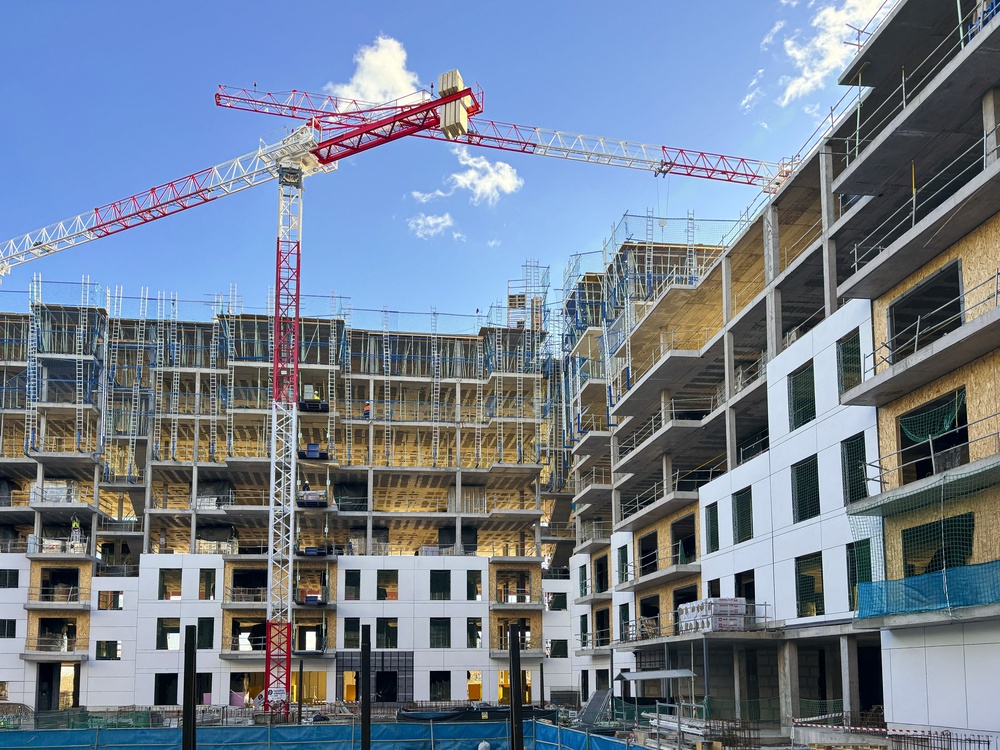
I spent the early part of my career as a construction superintendent on luxury custom homes. I learned a lot about concrete, framing crews, and weather delays. But the projects that went badly wrong were rarely undone by anything on site. They were undone months earlier, when someone signed a loan without really understanding it.
That's the pattern I still see today. Owners and developers spend enormous effort on design, contractors, and materials. Then they treat the financing as paperwork: something to get through so the real work can start. In my experience, that's backwards.
The loan shapes the whole project
A construction loan isn't a single cheque. It's a schedule. Money is released in stages as work is completed and inspected. That schedule decides when subcontractors get paid, how quickly materials can be ordered, and how much breathing room the project has when something goes wrong.
If the draw schedule doesn't match how the build actually unfolds, the project starts running on borrowed time. The framers finish, but the next release is waiting on an inspection. The supplier wants a deposit, but the funds won't arrive for two weeks. None of that shows up in the architect's drawings, yet it can stop a site just as surely as a storm.
This is why I'd argue the financing structure deserves the same scrutiny as the build plan. It isn't a back-office detail. It's part of the project design.
Borrowers shop rates when they should shop terms
The first question most people ask a lender is about the interest rate. It's an understandable instinct, and on a standard mortgage it's often the right one. On a construction loan, it can be the wrong place to focus.
Two loans with similar rates can behave very differently. One might release funds quickly with light paperwork. Another might hold back a percentage of every draw until completion, require multiple inspections per stage, or take weeks to process a request. Over a twelve or eighteen month build, those differences can matter far more than a fraction of a percentage point.
The better questions are practical ones. How are draws requested and approved? How long does an inspection take to schedule? What happens if a stage runs over budget? Can the contingency be accessed mid-build? Borrowers who ask these questions upfront tend to have far fewer surprises later.
Contingency is a strategy, not a cushion
Almost every serious project budget includes a contingency, usually a percentage of construction costs set aside for the unexpected. Too often it's treated as a number to make the spreadsheet look responsible, rather than a tool to be planned.
The question isn't just how much contingency you have. It's when you can use it. A contingency that's only released at the end of the build does nothing to help when costs spike halfway through. Negotiating access to it early, and agreeing how it can be drawn, is one of the simplest ways to protect a project from stalling.
Builders and lenders need to talk earlier
One of the biggest lessons from my years on site is how rarely builders and lenders speak before problems appear. The builder plans the work. The lender plans the risk. The owner sits in between, often translating badly between the two.
When those conversations happen early, the financing can be shaped around the real construction sequence. Stages can be defined in ways inspectors can easily verify. Payment terms with subcontractors can be lined up with the draw cycle. Lenders who understand the build tend to be more flexible when something changes, because they saw the plan from the beginning.
What founders and developers should do differently
If you're planning a build, whether it's a family home, a small development, or new premises for your business, I'd suggest three shifts in thinking.
First, bring financing into the planning stage, not the final week before groundbreaking. Second, compare loans on how they work in practice, not just on headline rates. Third, treat your draw schedule and contingency as working tools that need to match the real sequence of the build.
None of this is glamorous. It won't feature in the photos of the finished project. But in my experience, it's the difference between a build that runs to plan and one that spends months stuck between stages.
The concrete and timber get all the attention. The money is what holds it together.
About the author: Mark Fotohabadi is the founder of ConstructionLoans.io, a boutique construction financing advisory that helps owners and builders fund custom homes and ground-up projects. He started his career as a construction superintendent on luxury custom homes before moving into construction lending.