Goldfish Care Guide: Beyond the Bowl
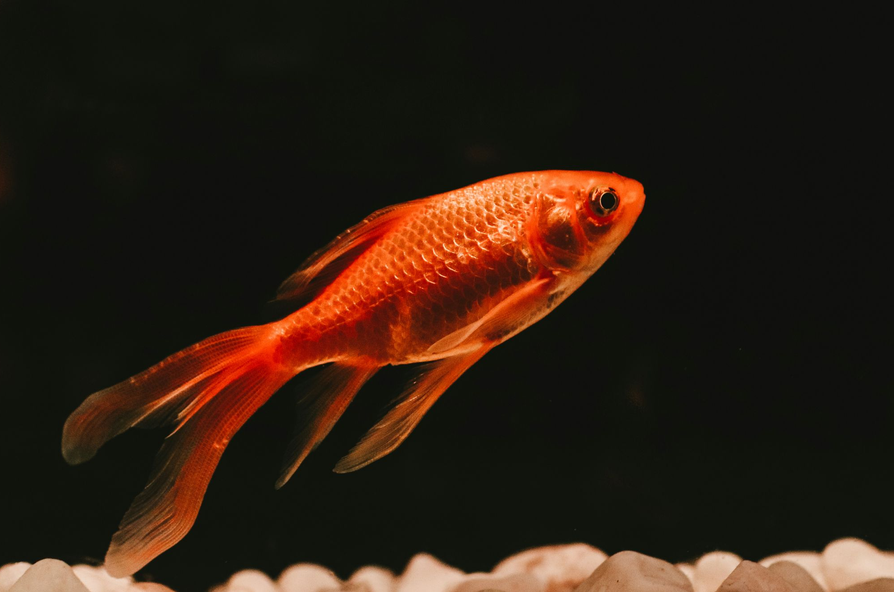
Goldfish represent one of the most misunderstood and mistreated fish in the aquarium hobby. Despite their reputation as low-maintenance pets requiring only a small bowl, goldfish are actually large, intelligent fish that can live for decades when properly cared for.
Key Takeaways
- Goldfish Require Proper Space: Standard varieties need at least 200 liters, while fancy varieties need 114 liters minimum for a single fish.
- Intelligence and Longevity: Goldfish are surprisingly intelligent and can live 20 years or more with appropriate care and conditions.
- Multiple Varieties Available: From delicate Orandas to hardy Comets, numerous goldfish varieties suit different experience levels and preferences.
- Hardiness Has a Cost: Their tolerance for poor conditions has led to widespread mistreatment and early deaths in unsuitable environments.
- Proper Setup is Essential: Correct tank size, filtration, water parameters, and diet are critical for long-term goldfish health and happiness.
Understanding the Goldfish Species
Goldfish belong to the Cyprinidae family, making them closely related to carp and other freshwater species.
Although they display incredible variety in body shape, fin length, and coloration, all goldfish are actually one single species with variations from centuries of selective breeding.
Goldfish come in two main categories: standard varieties and fancy varieties. Standard goldfish like Comets grow larger and require more space, while fancy varieties like Orandas and Fantails have slower swimming patterns and different tank requirements.
The Myth of the Goldfish Bowl
The classic goldfish bowl represents one of the aquarium hobby's most persistent and harmful misconceptions about goldfish.
Goldfish bowls provide inadequate space, poor water quality maintenance, and insufficient oxygen for any goldfish to thrive long-term.
A properly sized goldfish tank requires substantially more space than most people commonly realize or anticipate.
Fancy goldfish need at least 114 liters (30 gallons) initially, while common varieties require 200 liters (55 gallons) for a single fish.
Tank Requirements and Setup
Goldfish are large, active fish that need appropriately sized tanks with good water movement. Longer tanks are significantly better than tall tanks for goldfish, as they provide the horizontal swimming space these fish require.
Water Parameters and Temperature
Goldfish are cold-water species that prefer temperatures between 19 and 23 degrees Celsius. They are remarkably adaptable to temperature changes and do not require water heaters in most home environments.
pH levels should remain between 6.5 and 7.5 for optimal goldfish health. Regular water changes of 25 percent weekly or 50 percent biweekly help control nitrate buildup and keep water clean.
Substrate and Decorations
Goldfish are curious feeders that sift through substrate while searching for food throughout the tank bottom.
Avoid sharp gravel entirely, as it can injure your fish, and choose instead medium to small, rounded gravel or sand.
Live plants are excellent additions to goldfish tanks and provide both aesthetic appeal and functional benefits for fish. Java fern and anubias are ideal plants for goldfish as they are tough and well-anchored securely in place.
Driftwood creates natural-looking decorations that enhance the aquarium's overall appearance and aesthetic value.
Any decorations you choose must be tough enough to withstand goldfish's tendency to rearrange and test tank furnishings with their mouths.
Goldfish Behavior and Temperament
Goldfish are placid, confident fish that display surprising intelligence and interactive behavior with their owners.
These fish can retain learned behaviors for up to three months and will often recognize their caretakers.
Goldfish are great community fish that get along well with their own kind and compatible tankmates.
However, finding suitable tankmates presents considerable challenges due to goldfish's susceptibility to bullying and their tendency to swallow whatever fits in their mouths.
Fancy goldfish varieties are particularly vulnerable to stress and cannot be paired with aggressive or fast-moving species.
Compatible tankmates include rosy barbs, platys, and zebra danios, which match the goldfish's peaceful nature.
Feeding Your Goldfish
Goldfish are voracious feeders that will eat excessively if given the opportunity, often to the point of serious illness.
Portion control is absolutely critical, with feeding limited to only amounts they can finish within a couple of minutes.
Quality flakes serve as an excellent and nutritious staple diet for goldfish and provide essential nutrients.
This staple should be supplemented regularly with meats like bloodworms and mosquito larvae, plus fresh vegetables like frozen peas.
Feeding frequency depends significantly on water temperature and the goldfish's individual age and size. In warmer water, feed two to three times daily, but reduce to once or twice daily in cooler temperatures.
Floating pellets should be avoided entirely as they cause goldfish to gulp excessive air at the water surface.
Surface feeding behavior and air intake can lead to serious digestive problems and health complications in goldfish.
Goldfish Varieties and Selection
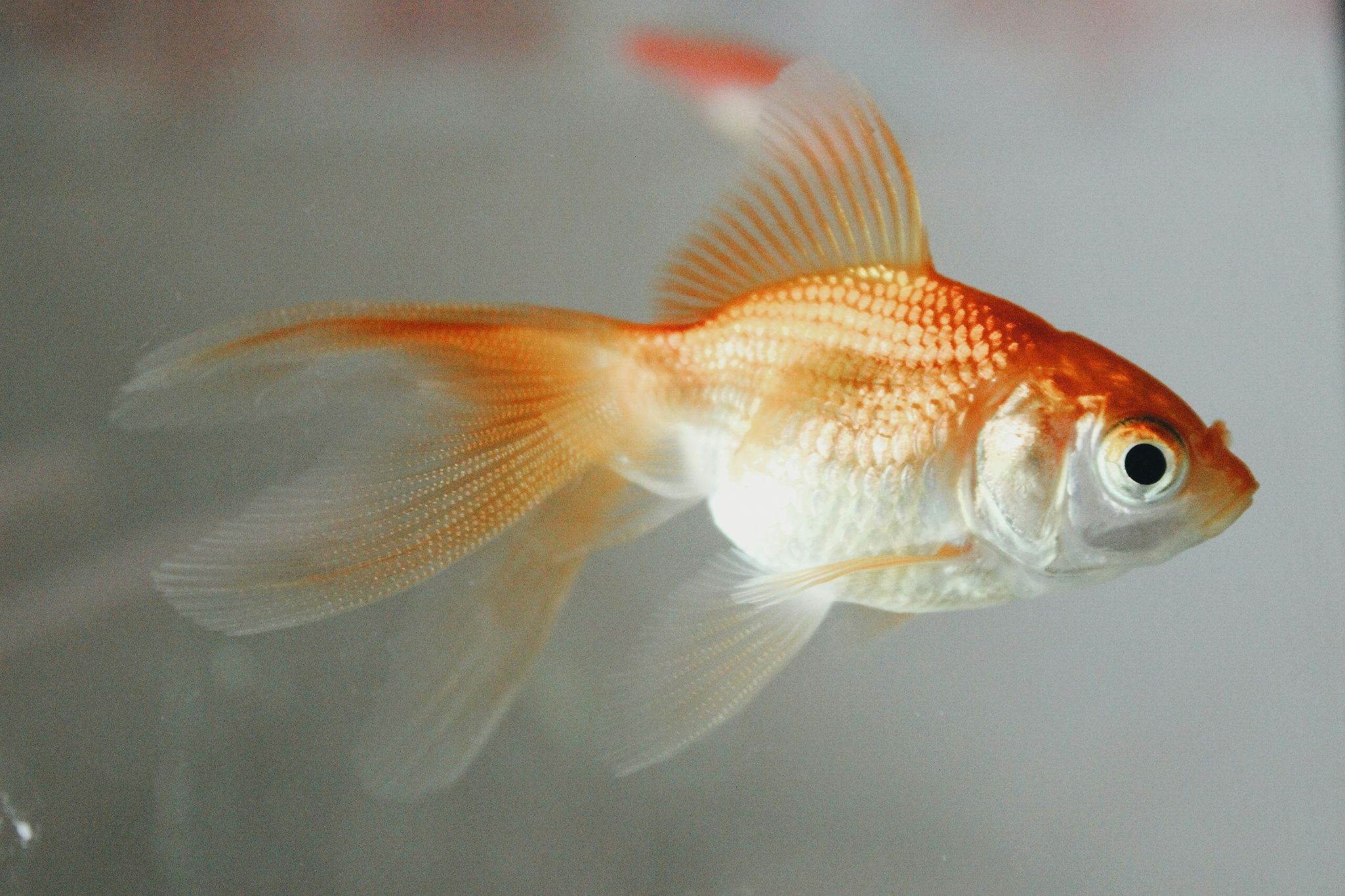
Standard goldfish varieties like Comets are hardy and fast-swimming. When you choose Goldfish for sale at LiveFish®, you'll find numerous varieties suited to larger tank environments.
Fancy varieties like Orandas, Fantails, and Ryukins have slower swimming patterns and special needs. Black Moors, Telescope goldfish, and Shubunkins offer unique appearances that attract many aquarists.
Common Goldfish Mistakes to Avoid
Overcrowding is perhaps the most frequent mistake goldfish keepers make, leading to poor water quality. Many aquarists maintain too many goldfish in tanks that cannot adequately support their biological load.
Inadequate filtration compounds water quality problems and accelerates the development of unhealthy conditions. Goldfish produce substantial waste, requiring robust filtration systems to maintain appropriate water chemistry.
Long-Term Goldfish Care Success
Goldfish can provide decades of companionship and enjoyment when given proper care, suitable tank sizes, and correct water conditions.
Their intelligence, interactive nature, and remarkable hardiness make them rewarding pets for dedicated, patient aquarists.
Treating goldfish with the same care level offered to other aquarium fish ensures years of healthy, vibrant goldfish life.
The widespread belief that goldfish are disposable, short-lived pets stems from inadequate care and unsuitable housing.
Frequently Asked Questions
1. How long do goldfish actually live if cared for properly?
Goldfish can live 20 years or more with appropriate care, proper tank size, good water quality, and a suitable diet.
The common belief that goldfish live only one to three years stems from widespread mistreatment and inadequate housing.
2. Can fancy and standard goldfish be kept together in the same tank?
No, fancy and standard goldfish varieties should not be housed together as they have incompatible temperature and space requirements.
Fancy varieties are slower swimmers, easily stressed by the activity of standard goldfish varieties.
3. What is the minimum tank size for a single goldfish?
Fancy goldfish varieties require a minimum tank size of 114 liters (30 gallons) while standard varieties require at least 200 liters (55 gallons).
Smaller tanks lead to poor water quality, stress, and shortened lifespan for goldfish.
4. What should I feed my goldfish and how often?
Goldfish should be fed high-quality flakes supplemented with meats like bloodworms and vegetables like frozen peas.
Feeding frequency depends on water temperature, with two to three times daily in warmer water and once to twice daily in cooler conditions.