What It Really Costs to Launch a Profitable VR Entertainment Center
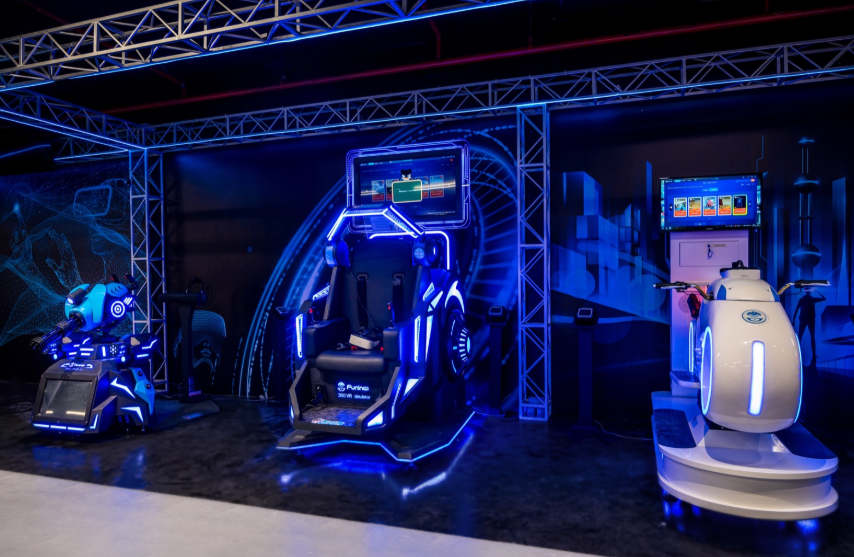
Virtual reality has rapidly evolved from a futuristic concept into a thriving entertainment business. Across shopping malls, family entertainment centers, and tourist destinations, immersive VR experiences are attracting visitors of all ages. For entrepreneurs, this presents an exciting opportunity to enter a fast-growing market. However, before opening the doors to a successful VR arcade, it's essential to understand the real costs involved.
Many first-time investors assume the biggest expense is purchasing VR headsets. In reality, launching a profitable VR entertainment center requires careful planning, strategic budgeting, and ongoing operational investment. From choosing the right location to marketing your business, every decision affects both startup costs and long-term profitability.
This guide explores the actual expenses involved and offers practical insights to help you build a successful VR entertainment business.
Why the VR Entertainment Industry Is Growing
The demand for immersive entertainment continues to increase as consumers seek experiences they cannot recreate at home. Modern VR technology offers realistic adventures, multiplayer games, racing simulators, escape rooms, and interactive experiences that appeal to families, gamers, students, and corporate groups alike.
Unlike traditional gaming centers, VR venues provide memorable experiences that encourage repeat visits, social sharing, and word-of-mouth marketing. This growing demand makes the industry attractive for entrepreneurs looking for a business with long-term growth potential.
Estimating Your Startup Budget
There is no fixed cost for opening a VR entertainment center because every project differs in size and scope. A small venue with a few gaming stations requires a much lower investment than a large entertainment destination with premium attractions.
Your startup budget generally includes:
- Commercial space and renovations
- VR equipment and gaming systems
- Business licenses and insurance
- Interior design and furniture
- Marketing and branding
- Initial staffing and training
- Working capital for operating expenses
For many businesses, the total investment ranges from $50,000 to more than $500,000, depending on the quality of equipment and the scale of the operation.
Selecting the Right Location
A great location can significantly improve your chances of success. Areas with high foot traffic often generate more visitors, even though rental costs may be higher.
Shopping malls, entertainment districts, and tourist attractions are popular choices because they naturally attract families and groups looking for recreational activities.
When evaluating a location, consider accessibility, parking availability, nearby competitors, and local demographics. Paying slightly more for a prime location may produce stronger long-term returns than choosing a cheaper space with limited visibility.
Equipment Is Your Biggest Investment
The quality of your VR equipment directly influences customer satisfaction. Investing in commercial-grade hardware ensures better durability, smoother performance, and lower maintenance costs over time.
A professional VR entertainment center typically includes high-performance computers, VR headsets, motion tracking systems, gaming accessories, large display screens, and reliable networking equipment.
Some businesses also invest in racing simulators, motion platforms, flight simulators, or interactive shooting experiences to attract a wider audience. Although premium equipment requires a larger initial investment, it often provides a better customer experience and higher repeat business.
Creating an Engaging Environment
Successful VR businesses offer more than technology—they create an experience.
The design of your venue should immediately capture visitors' attention while providing a comfortable environment for both players and spectators. Modern lighting, themed decorations, attractive signage, and organized gaming areas help create a professional atmosphere.
A welcoming reception area, comfortable waiting space, and clean interior also improve customer satisfaction. Small design details often influence online reviews and encourage visitors to recommend your business to others.
Software and Content Licensing
Hardware alone cannot keep customers returning. Fresh, engaging content plays an equally important role in maintaining customer interest.
Commercial VR businesses usually require licensed software rather than consumer versions of games. Depending on your provider, you may pay monthly subscriptions, annual licensing fees, or one-time purchases for commercial use.
Regular software updates and new game releases allow you to introduce fresh experiences that encourage repeat visits and increase customer loyalty.
Staffing and Daily Operations
Although VR technology is highly automated, skilled staff remain essential for delivering a smooth customer experience.
Employees help customers understand the equipment, resolve technical issues, manage reservations, maintain safety standards, and keep equipment clean and operational.
Well-trained staff also improve customer confidence, particularly for first-time VR users who may feel unfamiliar with the technology. Investing in employee training can have a direct impact on customer satisfaction and positive online reviews.
Marketing: An Investment, Not an Expense
Even the most advanced VR center cannot succeed if potential customers never hear about it.
A strong marketing strategy should begin before your grand opening and continue throughout the year. Professional branding, an optimized website, active social media profiles, local partnerships, and targeted online advertising all contribute to building awareness.
Search engine optimization (SEO) is particularly valuable because many customers search online before choosing entertainment activities. Creating helpful content, maintaining an active online presence, and encouraging customer reviews can steadily increase organic traffic and bookings.
Expanding Beyond Traditional Gaming
Many successful operators generate additional revenue by offering services beyond standard VR games.
Birthday parties, school excursions, corporate team-building sessions, esports tournaments, educational simulations, and seasonal events all create new income opportunities while attracting different customer groups.
Some businesses even expand into a complete vr theme park, combining virtual reality with motion simulators, themed attractions, and interactive experiences to create a destination that appeals to visitors of all ages.
Diversifying your offerings helps reduce seasonal fluctuations and improves overall profitability.
Understanding Ongoing Operating Costs
Opening your business is only the beginning. Every month, you'll need to manage recurring expenses that affect your profitability.
These include rent, employee salaries, electricity, internet service, software renewals, insurance, cleaning, maintenance, and equipment replacement. Since VR systems are used extensively throughout the day, regular maintenance helps prevent unexpected breakdowns and keeps customer experiences running smoothly.
Careful budgeting for these ongoing costs ensures your business remains financially healthy as it grows.
When Can You Expect to Become Profitable?
The timeline for profitability depends on several factors, including your location, pricing strategy, customer traffic, operating costs, and marketing effectiveness.
A well-managed center with consistent bookings, positive customer reviews, and efficient operations may recover its initial investment within two to three years. Businesses that continuously introduce new attractions, maintain excellent customer service, and actively promote their brand often achieve stronger financial performance over time.
Instead of focusing only on attracting new visitors, successful owners also prioritize customer retention through memberships, loyalty programs, and exclusive events.
Final Thoughts
Launching a VR entertainment center requires more than purchasing cutting-edge technology. It demands careful financial planning, strategic decision-making, and a commitment to delivering memorable customer experiences. While startup costs can vary widely depending on the size and ambition of your project, understanding every expense beforehand helps reduce risk and improve long-term success.
From selecting the ideal location and investing in commercial-grade equipment to maintaining fresh content and implementing effective marketing, every element contributes to building a profitable business. Entrepreneurs who approach the industry with a clear business plan and realistic budget are better positioned to succeed in this rapidly expanding market.
As virtual reality continues to reshape the entertainment industry, now is an excellent time to invest in a business that combines innovation, technology, and unforgettable experiences. With smart planning and consistent execution, your VR entertainment center can become a thriving destination that delivers value to customers while generating sustainable profits for years to come.