Help Center: A Guide To Deposits And Withdrawals Funds for Trading

Adding money to your trading account should be easy should be easy. However, the world of payment rules can make it more confusing.
You might know how much you would like to deposit, but you are still on the fence.
Which payment method should you use?
How long will it take?
Are there any additional charges?
Minor mistakes can also cause delays in your access to funds.
There are many common problems that can be avoided by verifying certain information before every transaction. Look at the terms of payment, limits, charges, processing times, and withdrawal requirements. Also, it is advisable to check your available balance and payment information prior to transferring money.
This guide will tell you how to fund or withdraw from the trading account, review the rates and costs, prevent delays, and ensure that the transactions are secure.
1. Check Payment Options

First, find out which methods of payment you are allowed to use. The most frequently include cards, online payment services and bank transfers. Options may vary for different accounts, currencies, and countries. There may also be varying limits and processing times for each type. type.
So, visit the help center of the trading platform of the trading platform and read the information about payments before depositing. Check if there are minimum or maximum limits for deposits. Check accepted currencies and any requirements for your chosen method. These details can help you prevent a rejected or delayed payment.
Costs must also be a factor. One might be faster, and the other might be more cost-effective. Do a comparison first before sending funds. This is a straightforward move that can assist you in selecting a trading option which matches your trading needs.
2. Verify Deposit Details
Always verify payment information before transmitting it. Some trading services will only accept deposits from your own account. This might be made by someone who may not comply with the rules of the account. If you follow the directions stated, it can help avoid any unnecessary delays.
Review the amount of the deposit, account number, payment reference and currency. Any number could lead to a mistake in a payment. Lastly, keep your receipt or confirmation until the funds appear in your trading account.
Furthermore, the subject of currency should also be discussed. You may have a different currency in your trading account than in your bank account. The exchange rate may have an impact on the total amount in the event of a conversion. Check the applicable rate and any conversion cost prior to the transfer.
3. Check Available Trading Funds
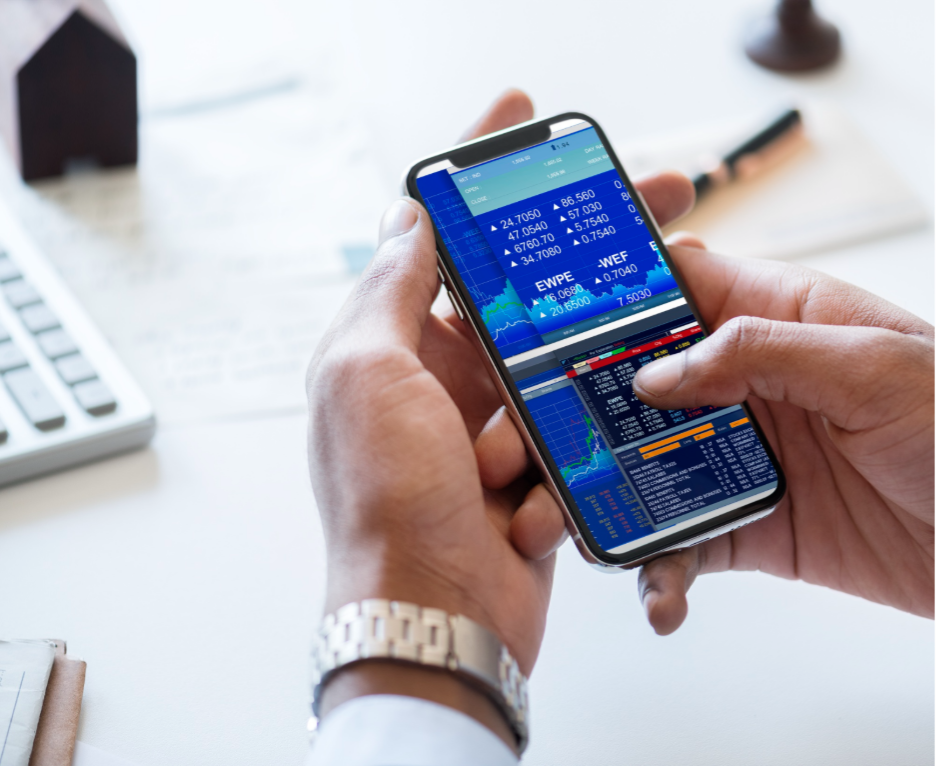
The balance of your account may not represent the amount available for withdrawal at all times. Some funds may be linked to open positions or transactions. Some investment transactions may also include a settlement period. See your available balance before you request a withdrawal.
Moreover, it is also advisable to check any pending deposits or withdrawals. You may need to verify your identity on some accounts to withdraw funds. Restrictions on settlement may impact when funds are available. The SEC provides guidance on settlement cycles and when investors can receive funds after a transaction.
Moving on, verify the destination of your withdrawal. Withdrawals may be necessary to utilize an authorized account in your name for certain services. Be careful when typing in your account number and payment information. Double-check the withdrawal amount and receiving information before submitting the request.
4. Review Fees and Processing Times
If you have a specific payment method, it can take a different amount of time for deposits and withdrawals. Bank transfers can have different timing than card payments. Processing may also be impacted by weekends, bank holidays, daily cut-offs and security checks. Consider these factors when determining how much money to use for trading.
When a payment is submitted, it doesn't necessarily mean the money has been received. It might still be being considered or processed. International transfers may include other banks, currency conversion, and additional checks. Consumer Financial Protection Bureau explains that international transfers can include fees, taxes, and exchange-rate costs.
Recheck all potential charges before transferring money. A transfer fee may apply from your bank. There may be an additional expense for currency conversion. Having these charges in mind can give you a good idea of how much you'll be sending and how much you may receive.
5. Protect Account Fund Transfers
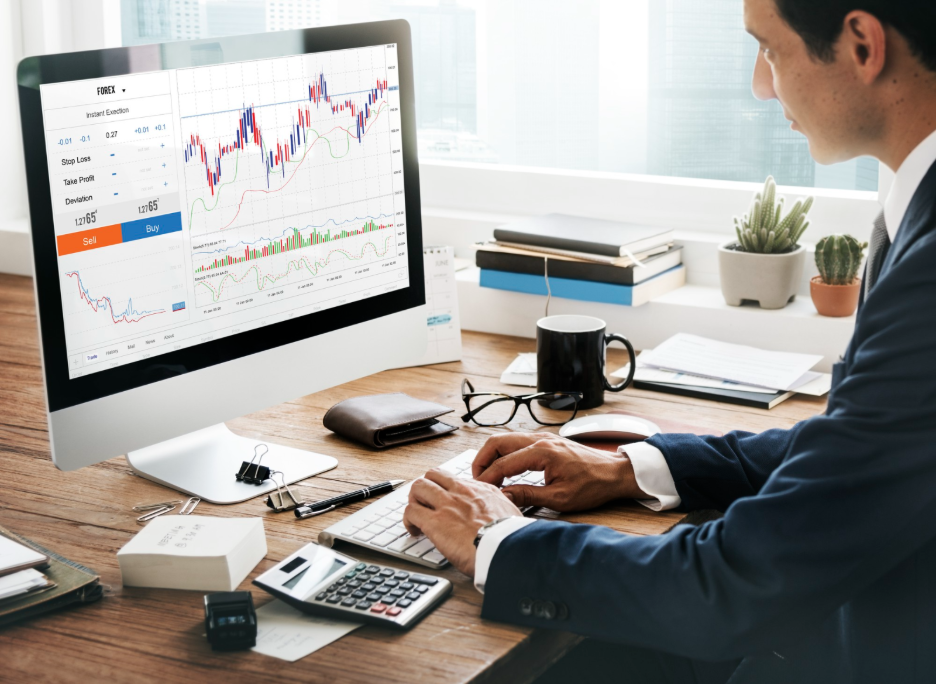
Safety is a concern when putting money in and out. Log in to your regular trading account and trusted payment pages. Never click on links that you receive from unsolicited e-mail or messages. Do not give your password, security code or account information to anyone else.
Keep track of all deposits and withdrawals. Keep records of receipts, confirmation numbers, dates and amounts of transactions. Your account statements can also be a helpful payment history. These records may assist you in following up on a payment that has not been made, or you can question a payment that does not appear to be correct.
If you see a transaction that you don't recognize, you need to act quickly. Check your account and call the provider. Don't brush off any unusual payment activity. There are some errors and consumer protection rules that may apply to electronic transfers, as described in federal guidance on electronic fund transfers.
Conclusion
When you know what to look for, it makes it easier to deposit and withdraw money for trading. Check the payment options, maximums, charges, and when you can withdraw the funds. Check the balance and receiving account information before applying for a withdrawal.
Do these checks as part of your regular trading practice. Always read the instructions for payment and verify all details before sending a payment. Maintain records and track payment status. Don't hesitate to take action if something seems amiss and reach out to the relevant provider.