How Custom Plush Toys Turn Brand Characters Into Marketing Assets
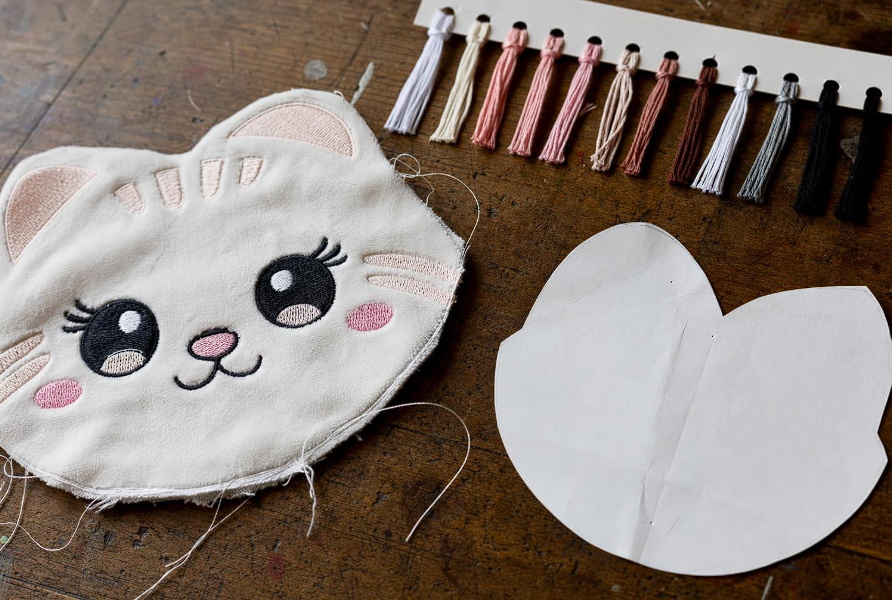
Most brand characters live a flat life. They appear on landing pages, in app onboarding screens or on sticker sheets. Turn the same character into a soft toy and something changes. People hold it, photograph it, give it away and keep it on a desk long after a campaign ends. Plush can behave less like standard promotional merchandise and more like collectible media.
That shift is why custom plush toy development requires careful planning. A single production run involves artwork, manufacturing, product safety requirements and packaging. Plan those elements together and you can create a durable brand asset. Handle them in the wrong order and you may end up with stock you cannot legally sell in your target market.
Key takeaways
- Plush makes a character physical. It creates a touchpoint people can keep, gift and photograph rather than scroll past.
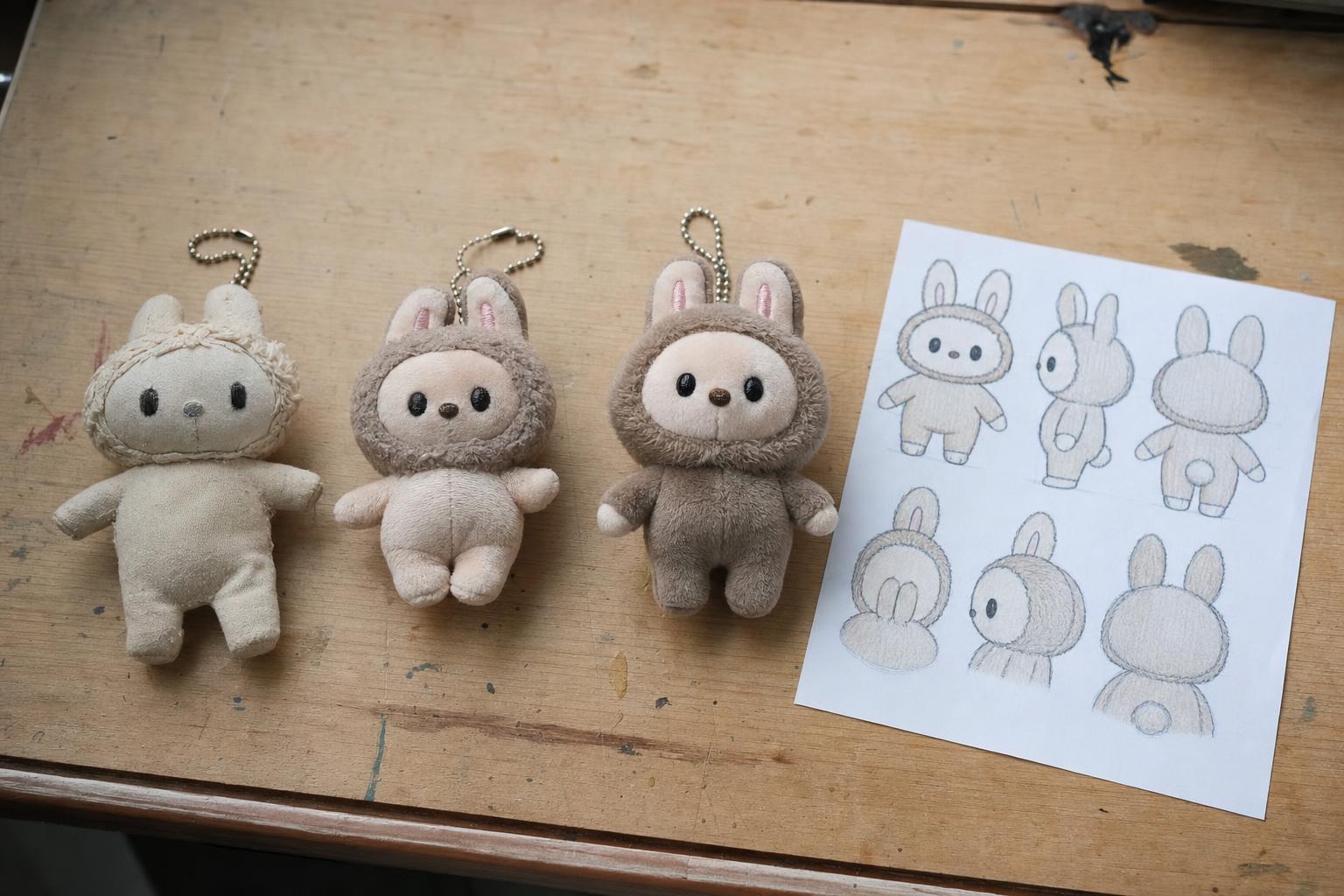
- Development is translation, not printing. Flat artwork must become pattern pieces, fabric choices, embroidery and carefully placed stuffing.
- Compliance depends on the destination market. UK, EU and US requirements should shape the brief from the start.
- Measure plush as part of a campaign. Unit margin alone may not reflect its effect on reach, engagement and brand recall.
What custom plush toy development involves
A plush toy is a three-dimensional interpretation of a two-dimensional character. The development team must decide how a flat face will look when curved over stuffing, whether an outline should become embroidery or an appliqué patch, and how much of the original silhouette will remain clear at a small size.
Settle these questions early:
- Recognition: Which two or three features must remain clear at small sizes?
- Softness and proportion: How soft should the toy be, and will that change the character's shape?
- Safety: Are eyes, accessories, batteries or magnets appropriate for the intended age group?
- Production consistency: Can the design be reproduced reliably across the full order?
The development path, step by step
Most custom plush projects follow a similar sequence, although timing and terminology vary by supplier.
- Brief: Provide artwork from several angles, target dimensions, intended audience, age grade, destination markets and packaging requirements.
- Sampling: Review the first physical sample and complete one or more revision rounds.
- Approval standard: Sign off a final sample that will serve as the reference for production.
- Production and inspection: Check finished units against the approved sample rather than the original artwork alone.
- Labelling and packing: Apply care labels, warnings and market-specific information before shipping.
Compliance by destination market
Compliance rules can change, and the correct route depends on whether the item is considered a children's toy, an adult collectible or another type of product. Confirm current requirements with the relevant regulator and an experienced testing provider before production.
United Kingdom
Plush products sold as children's toys in Great Britain fall under the Toys (Safety) Regulations 2011. Manufacturers must complete a safety assessment, prepare the required documentation and use an accepted conformity marking before placing a toy on the market. Check the latest GOV.UK guidance and designated standards list when writing the brief, particularly if the design includes batteries, magnets or detachable parts.
European Union
EU toy rules cover physical hazards, flammability, chemicals, warnings and product documentation. The EU is also introducing updated requirements, including broader chemical restrictions and a Digital Product Passport, through its newer Toy Safety Regulation. Because transition dates and implementation details matter, confirm which rules will apply when the finished toys enter the market rather than relying on guidance from the start of the project.
United States
The US Consumer Product Safety Commission states that ASTM F963 is the mandatory safety standard for children's toys under the Consumer Product Safety Improvement Act and 16 CFR part 1250. Children's products also require tracking information, and importers or manufacturers may need a Children's Product Certificate based on compliant test results.
A factory's previous test report does not certify a new plush product. Reports are product-specific, so ask which item, standard, age grade and test date each document covers.
If you plan to sell in several regions, ask the testing provider to map the relevant requirements before sampling. This can reveal design conflicts early and reduce the risk of repeating tests after production.
Budgeting and volume planning
Cost depends on size, fabric, embroidery area, accessories, packaging, order volume and testing, so quotes do not always compare neatly. Published supplier figures can provide context without setting a universal benchmark. Promo Bears, for example, lists a 500-piece minimum order and an estimated sample-to-delivery period of roughly 16 to 18 weeks. Other suppliers advertise lower minimums or different lead times.
Treat those figures as company-specific estimates. When comparing quotes, ask each supplier to separate sampling, unit production, packaging, testing, inspection and freight. Testing should have its own budget line because it is a product-level cost that first-time buyers often overlook. For a visual primer on formats, artwork handoff, sampling and packaging options, Custom Plush Toys can help frame your brief before you request quotes.
Packaging, labels and product information
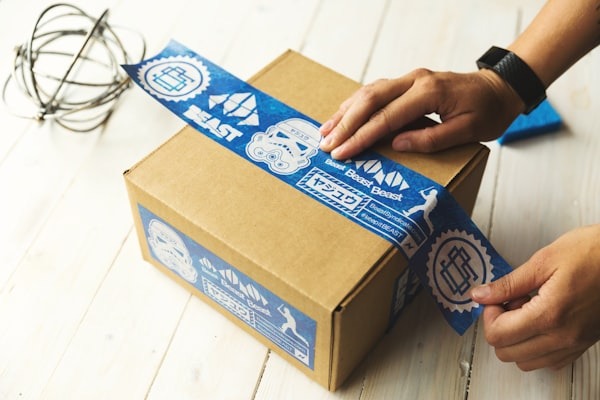
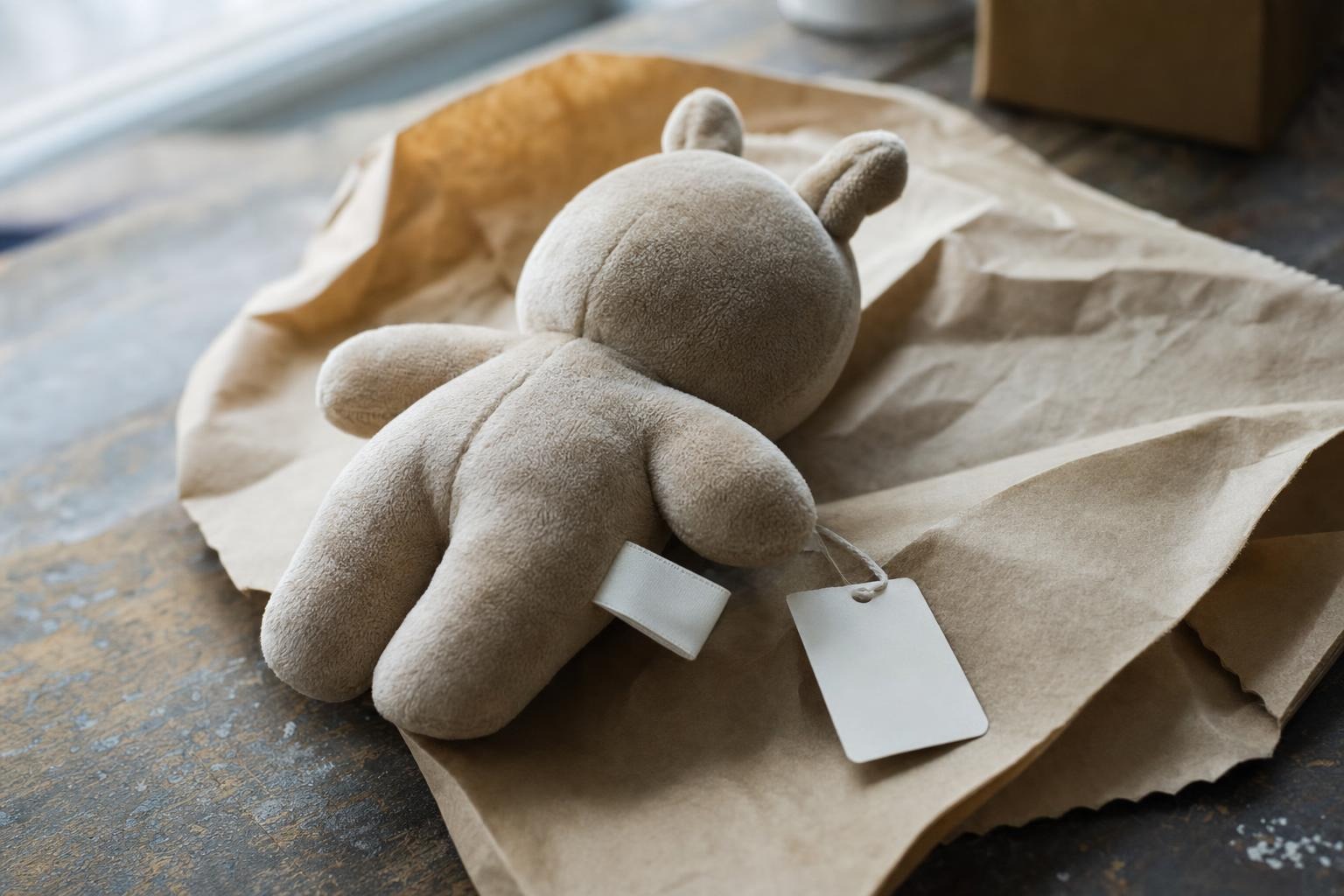
Decide on packaging early because it affects artwork deadlines, testing and unit cost. Hang tags, woven labels, care labels, warnings and barcodes may all require approval before production. For US-bound goods, account for certification and tracking information. For EU-bound goods, confirm whether Digital Product Passport requirements will apply by the market-entry date. For Great Britain, work from the current designated standards and marking guidance.
Using plush in campaigns and measuring results
Plush performs best when it has a defined role. Possible uses include photo prompts at events, limited editions linked to a product launch, partner and press gifts, subscriber rewards, employee recognition and paid products introduced after demand has been tested.
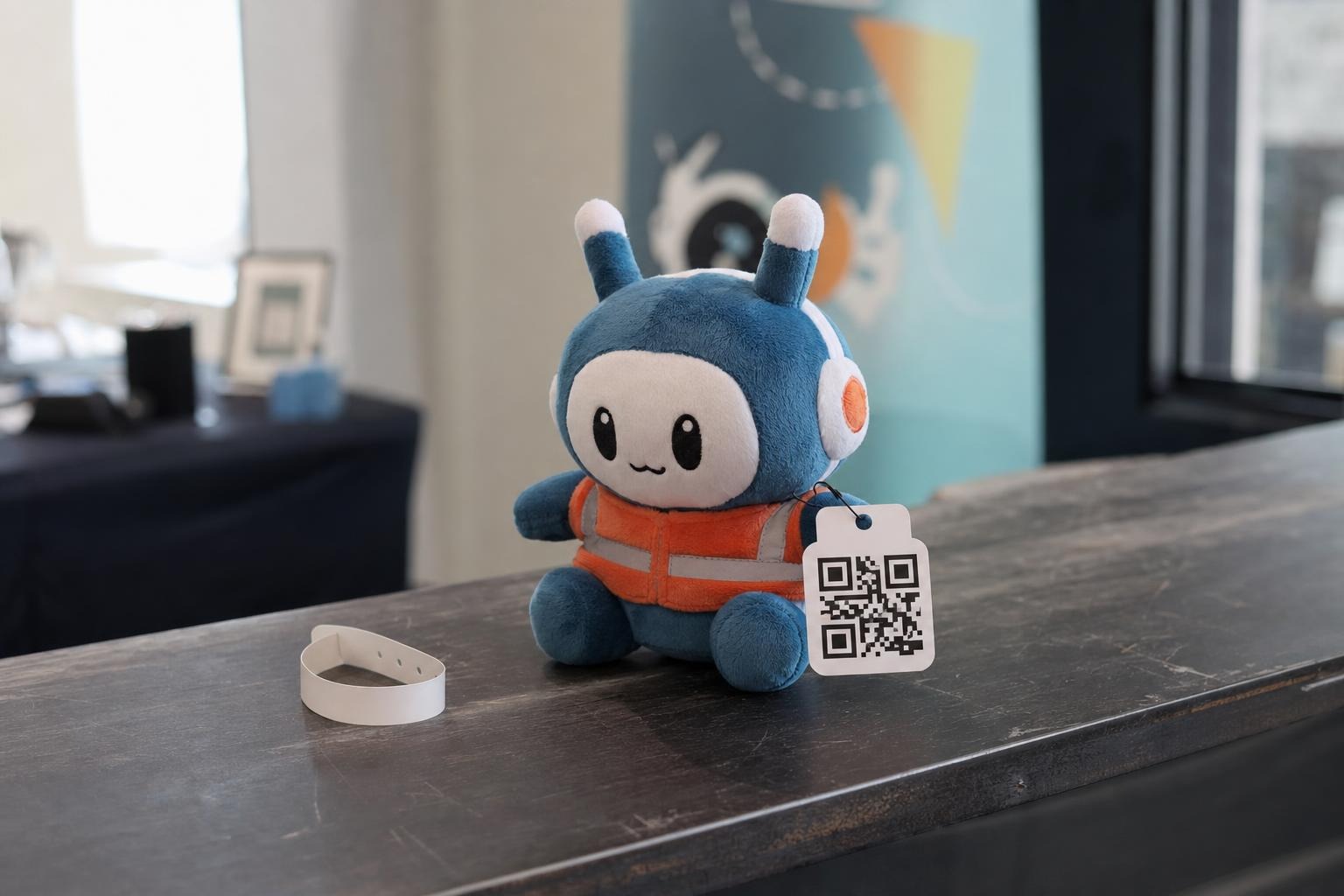
Choose measurements that match the campaign. You might track user-generated photos, hashtag use, QR code scans, email sign-ups at redemption, repeat purchases among recipients or brand recall in a later customer survey. A plush toy kept on a desk for two years may deliver continuing visibility even when its direct unit margin is modest.
Choosing a partner and writing the brief
Ask every shortlisted supplier practical questions. Will it sign a nondisclosure agreement? How many sample revisions are included? What testing does it recommend for the intended markets and age grade? How are production units checked against the approved sample? Can it provide photographs or video of the production and inspection process?
Reliable Partner and comparable suppliers should be able to explain these processes clearly. Once you understand the scope, write a brief that removes ambiguity:
- Artwork from the front, side and back
- Target dimensions and weight
- Audience and intended age grade
- Destination markets and sales channels
- Packaging and labelling requirements
- Expected order range and key dates
- Character features that must not change
- Logo and label placement
- The person responsible for sample approval
Where to look next
For a visual introduction to formats, artwork handoff, sampling and packaging options, the Reliable Partner category page can help you prepare for supplier discussions. Also read guidance directly from GOV.UK, the European Commission and the US Consumer Product Safety Commission rather than relying only on summaries. Ask shortlisted manufacturers for case studies that show finished production units, not just digital renders.
Bringing the character to life responsibly
A soft toy is one of the few marketing objects people may willingly keep. That longevity depends on treating design, production and compliance as connected decisions. Set the destination markets, age grade and testing plan alongside the fabric, proportions and embroidery details. With a clear brief and an approved sample, a familiar brand character can become a physical asset people recognise and use.