How Do Recyclable Materials Contribute to a More Sustainable Future?
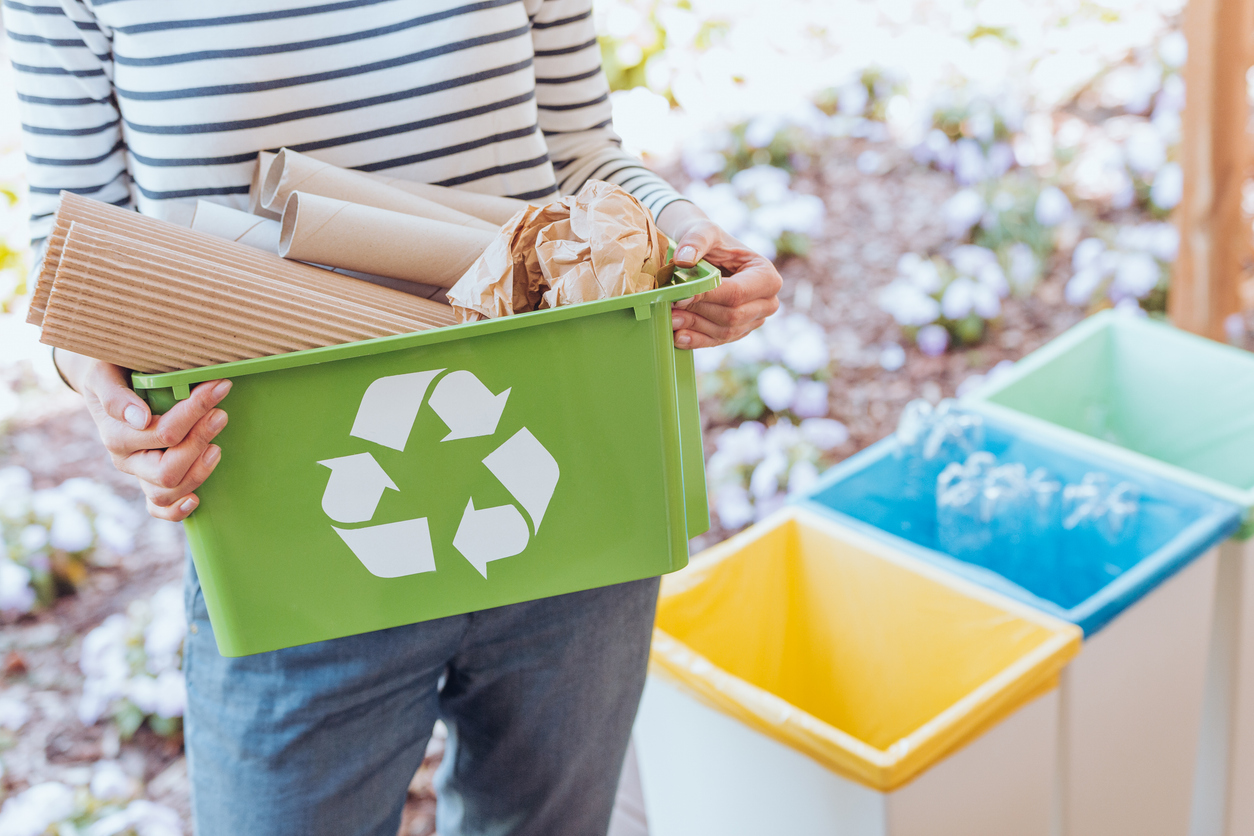
Every year, households and businesses discard large quantities of paper, plastic, glass and metal. Much of this waste still contains materials that could be recovered and used again. Without suitable collection and recycling systems, however, valuable resources may end up in landfills or other disposal facilities.
Recovering useful materials from discarded products gives manufacturers another source of raw materials and keeps more waste out of disposal sites. It can also reduce reliance on newly extracted resources.
Recycling is not a complete solution to environmental challenges. Its benefits depend on how materials are collected, processed and used, as well as the energy and resources involved.
Why Recyclable Materials Matter
Modern manufacturing depends on a steady supply of raw materials. Metals are essential for machinery, plastics are widely used in packaging, and paper remains important for numerous everyday products.
Obtaining these resources often involves mining, forestry or industrial processing, all of which can consume energy, water and land.
Recovered materials provide an alternative. Aluminium from used drinks cans can be processed into new metal products, while discarded cardboard can supply fibres for manufacturing fresh packaging.
This does not eliminate the need for virgin resources, but it can reduce demand for them.
It is also worth distinguishing between recyclable and recycled materials. Recyclable materials have the potential to be processed again, whereas recycled materials have already undergone recovery and processing.
Reducing Waste Through Better Material Recovery
One of recycling's most practical benefits is keeping useful materials out of general waste.
Consider a warehouse receiving hundreds of cardboard boxes each week. If those boxes are mixed with general rubbish, recovering their fibres becomes more difficult. Collecting cardboard separately makes it easier to transport and process.
The same principle applies to metal scraps, glass containers and certain plastic packaging.
Clean, well-separated materials are generally easier for recycling facilities to handle than heavily contaminated mixtures.
However, not everything collected for recycling can be successfully recovered. Material composition, contamination and available processing technology all affect the result.
Better sorting therefore matters just as much as the quantity of waste collected.
How Recycling Supports the Circular Economy
Traditional manufacturing often follows a straightforward pattern: extract resources, make products, use them and dispose of them. The circular economy aims to keep products and materials useful for longer through repair, reuse, refurbishment and recycling.
Recycling becomes particularly valuable when a product can no longer serve its original purpose. A damaged cardboard box may no longer protect a delivery, but its fibres can become part of new packaging. Metal components that cannot be repaired may be melted down and used in manufacturing.
There are limitations. Paper fibres gradually shorten during repeated processing, while some plastics lose properties that affect their future applications. Even when a product can no longer be repaired, some of its materials may still have a useful second life.
Why Recycling Markets Are Important
Collecting recyclable materials delivers the greatest value when suitable processing facilities and manufacturers are available to use them. Recycling markets connect businesses generating recoverable waste with processors seeking manufacturing inputs.
Material quality plays an important role in these transactions. Clean cardboard, separated plastic polymers and properly graded metals are usually easier to assess than mixed materials of uncertain composition.
Buyers also consider available quantities, contamination levels, transport arrangements and processing requirements. Businesses searching for recycling materials for sale can explore specialised marketplaces offering information about available material grades and commercial supply opportunities.
These platforms can help buyers and suppliers identify potential opportunities, although transactions still depend on material specifications, commercial agreements and applicable regulations. Without dependable demand, even technically recyclable materials may struggle to find economically viable processing routes.
How Recycled Materials Are Used in Manufacturing
Recovered materials are already used across numerous industries. Recycled paper fibres can become cardboard boxes and protective packaging. Steel and aluminium recovered from discarded products can be incorporated into new metal goods.
Recycled plastics have applications in storage containers, construction materials and other manufactured products, depending on the polymer and its quality. However, not every recovered material can replace a virgin raw material directly.
Manufacturers must consider product strength, purity and safety requirements. Recycled plastic intended for food-contact applications, for example, must comply with relevant regulations.
Accurate material descriptions and reliable quality control help manufacturers determine which recovered resources are suitable for their products.
Environmental Benefits and Limitations
Recycling can reduce some of the environmental pressures associated with extracting and processing virgin materials. Producing aluminium from recycled metal generally requires substantially less energy than manufacturing it from primary raw materials.
Recovering paper fibres can reduce demand for newly harvested wood, while recycling suitable plastics may replace some virgin polymer inputs. These benefits are not automatic. Recycling facilities still consume energy and water, and transporting materials over long distances can add environmental impacts.
Contamination may also increase processing costs or prevent successful recovery. For this reason, recycling works best alongside reducing unnecessary consumption and reusing products wherever practical.
How Businesses Can Improve Recycling Practices
Businesses can make recycling more effective by identifying the materials they discard regularly. An office may generate paper and cardboard, while a manufacturing facility might produce plastic offcuts or metal residues.
Separating these materials at their source reduces contamination and makes collection easier. Companies can also work with suppliers to limit excessive packaging or introduce reusable transport containers.
Clearly labelled collection areas and straightforward employee instructions help maintain consistent sorting practices. For many businesses, clearer procedures and regular collections are practical places to start.
What Can Individuals Do?
Households influence recycling outcomes through everyday purchasing and disposal habits.
Following local collection guidelines helps ensure that suitable materials enter the correct recycling systems. Emptying packaging where required and keeping unsuitable items out of recycling containers can also reduce contamination.
Choosing durable products, repairing damaged belongings and buying second-hand items can reduce demand for newly manufactured goods.
However, recyclable packaging is not automatically the most sustainable choice. Product durability, transportation and manufacturing requirements also matter.
A sensible approach combines thoughtful purchasing, reuse and responsible recycling.
Building a More Sustainable Future
Recyclable materials can reduce waste and provide valuable inputs for manufacturing, but their benefits depend on what happens after collection. Effective sorting, suitable processing facilities and reliable demand are essential for turning discarded products into useful resources.
Households can contribute by reducing unnecessary purchases and following recycling guidelines. Businesses can improve material separation and explore responsible recovery arrangements.
Keeping suitable materials in circulation reduces the amount discarded and creates more opportunities to use existing resources instead of extracting new ones. With better collection systems and practical changes in everyday habits, recycling can support a more sustainable approach to production and consumption.