How Streamlined Laundry Operations Reduce Hospitality Overheads
The hospitality industry is facing an era of tightening margins. According to the Restaurant and Catering Australia 2025 Industry Benchmarking Report, rising utility bills and supply chain fluctuations are primary threats to profitability. Venue managers are increasingly forced to scrutinise back-of-house operational efficiency to maintain a healthy bottom line. While much attention is given to energy-efficient lighting or commercial kitchen layouts, one of the most resource-intensive areas often flies under the radar.
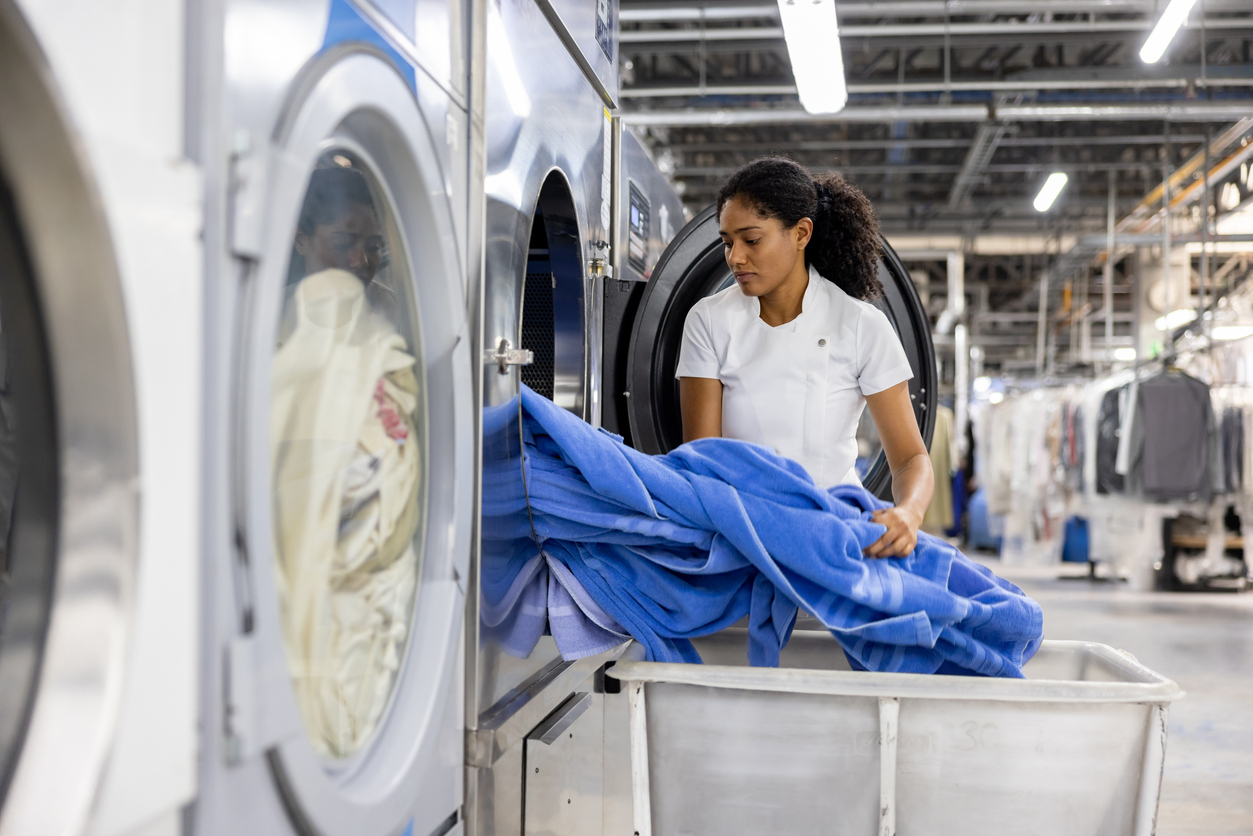
Hotel laundry operations typically account for 40 to 60 percent of a hospitality property's total water consumption. Furthermore, labour alone accounts for approximately 37 percent of total expenses in the accommodation sector, based on Australian Bureau of Statistics data. Finding ways to streamline daily laundry workflows can unlock significant reductions in utility usage, labour hours, and ongoing replacement costs. These optimisations are essential for any venue looking to remain competitive in a challenging economic climate.
The True Cost of Linen Degradation
Linen inventory represents one of a hotel's largest non-food capital investments. For a full-service property, this often totals between $150,000 and $500,000. It is a critical asset, yet Accommodation Association benchmarks indicate that Australian hotels typically lose between 5 and 20 percent of their linens annually to premature wear, damage, or misplacement. The average replacement cycle for mid-to-high-end hotel linens has shortened to approximately 18 months, placing immense pressure on procurement budgets.
Much of this premature textile degradation is caused by harsh wash cycles, extreme water temperatures, and incorrect chemical dosing. These aggressive processes break down fabric fibres much faster than normal guest use. In fact, linen replacement accounts for roughly 25 percent of total daily laundry expenditures. By optimising wash procedures, hospitality managers can extend textile lifespans by 30 to 50 percent, saving mid-sized properties tens of thousands of dollars each year in preventable replacement costs while maintaining the plush feel that guests expect.
Optimising Chemistry and Temperature for Savings
A major drain on hospitality budgets is the energy required to heat water for commercial washing machines. The Australian Energy Regulator has recorded sustained wholesale electricity price increases since 2022, which directly inflate the cost of running energy-intensive wash cycles and tumble dryers. Transitioning to smarter chemical solutions is a highly effective way to combat these rising utility rates without compromising on cleanliness or hygiene standards.
Advanced chemical formulas utilise targeted protease, amylase, and lipase enzymes to break down stubborn proteins and fats at much cooler temperatures, typically between 20 and 30 degrees Celsius. By switching to a high-quality commercial laundry detergent, venues can bypass extreme water heating requirements. This effectively eliminates what is traditionally the largest single energy cost in the washing cycle. Relying on specialised, industrial-grade chemicals also prevents the harsh fabric fatigue that thins out premium bed sheets and towels, protecting a hotel's luxury brand perception. Operators must naturally ensure that any adjustments to wash temperatures or chemical mixtures continue to strictly adhere to Safe Work Australia and state health hygiene guidelines.
Strategic Equipment and Workflow Upgrades
Chemistry is only one part of the operational equation. Modernising the physical equipment and standardising staff workflows can further protect a hospitality venue's bottom line. Australian venue managers frequently utilise the government's Water Efficiency Labelling and Standards scheme to select commercial machinery that minimises long-term water overheads. High-efficiency machines use significantly less water per kilogram of laundry, which cascades into lower chemical requirements and reduced heating demands.
Implementing modern, high-extraction equipment reduces moisture retention in fabrics, cutting subsequent tumble-drying energy consumption by 20 to 30 percent. To achieve maximum operational efficiency, facility managers should consider the following workflow improvements:
- Conduct regular audits of linen inventory to accurately track degradation rates and pinpoint washing inefficiencies.
- Upgrade to high-extraction washing machines that spin out maximum water before the energy-intensive drying phase begins.
- Install automated chemical dosing systems to prevent staff from overusing expensive detergents, which can leave damaging residue on delicate fabrics.
- Train staff on proper sorting techniques to ensure different textiles are washed on their ideal, fabric-specific cycles based on soil levels.
- Schedule heavy drying cycles during off-peak electricity hours to further reduce monthly utility bills and ease grid demand.
Streamlining laundry operations is no longer just a facility management afterthought. It is a vital strategy for combating rising overheads in the Australian hospitality sector. By investing in modern equipment, refining daily workflows, and selecting the appropriate chemical supplies, hotels can drastically reduce their reliance on expensive energy and constant linen replacements. Ultimately, these back-of-house optimisations allow hospitality businesses to protect their profit margins while continuing to deliver the pristine luxury and comfort that guests rightfully expect.