How the Hoverboard UK Trend Is Bringing a New Energy to Everyday Style
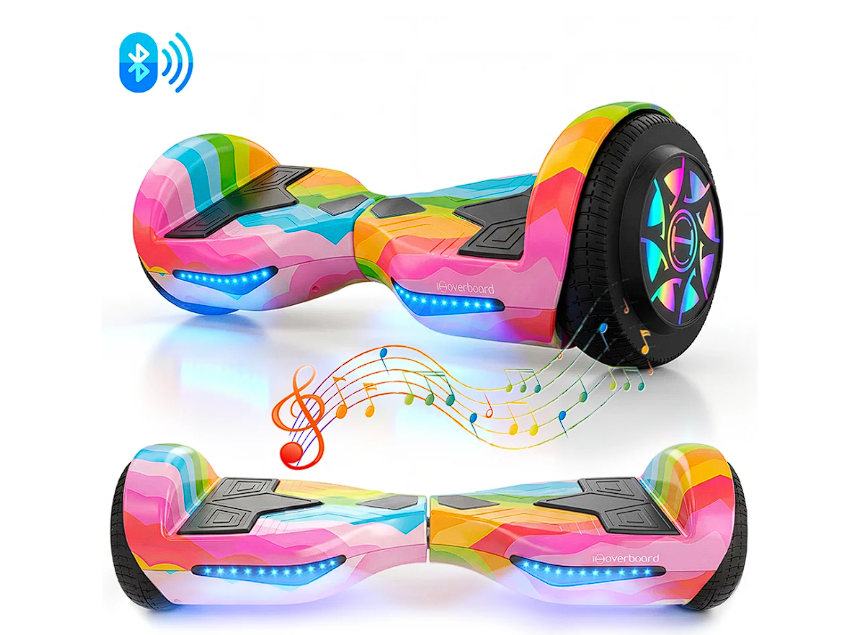
Style is no longer limited to the clothes we wear or the accessories we carry. Today, the way we move can become part of our personal identity too. This shift is helping self-balancing boards find a place in modern lifestyle conversations, particularly among people who enjoy technology, individuality, and unconventional ways of getting around.
The growing interest in the hoverboard uk market reflects more than curiosity about electric transport. It represents a wider appetite for products that combine technology, entertainment, personal expression, and practical design. A hoverboard can look futuristic, feel different from conventional transport, and add a playful element to everyday routines.
But what makes these devices interesting from a style perspective? And why are they still attracting attention in the UK despite clear restrictions on where they can be used?
When Personal Transport Becomes Part of Your Style
For decades, transport has mainly been viewed as functional. Cars, bicycles, buses, and trains help people get from one place to another. Their appearance matters, but their primary purpose is transportation.
Hoverboards introduce a different idea.
Their compact shape, LED lighting, smooth surfaces, and self-balancing technology naturally attract attention. Instead of simply carrying a rider, the device becomes part of the visual experience.
That makes it particularly appealing to younger users and technology enthusiasts who enjoy products that look distinctive.
Think about the difference between walking into a private garden on foot and arriving on a sleek self-balancing board. The destination may be identical, but the experience feels completely different.
That element of novelty is one reason hoverboards continue to appear in lifestyle, technology, and entertainment conversations.
Technology Has Become a Fashion Statement
Modern consumers increasingly expect technology to look good as well as work well.
Smartphones became fashion accessories. Wireless headphones became part of everyday outfits. Smartwatches moved from being niche gadgets to common lifestyle products. Electric vehicles also increasingly communicate something about their owner's preferences.
Hoverboards fit naturally into this broader movement.
Their design often focuses on clean lines, compact dimensions, illuminated wheels, and eye-catching finishes. Some models emphasize minimalism, while others use brighter colours and lighting effects.
This creates room for personal choice.
Someone who prefers a simple streetwear aesthetic may choose a more understated board. Another person may prefer a colourful model with prominent LED effects. The product becomes another small way to communicate personality.
The Appeal Goes Beyond Appearance
Good style can attract attention, but appearance alone rarely keeps a product relevant.
Part of the appeal of self-balancing boards comes from the experience of riding them. Instead of steering with handlebars, riders control movement largely through balance and body positioning.
That creates a different relationship between person and machine.
The rider is not simply sitting inside a vehicle. They are actively interacting with it. Leaning forward, shifting weight, slowing down, and turning all become part of the experience.
Electrical Safety First explains that hoverboards use gyroscopic sensors, electric motors, and rechargeable lithium-ion battery packs to respond to the rider's movements.
This combination of technology and physical interaction helps explain why the product can feel more like a lifestyle gadget than traditional transport.
Why the UK Market Has Its Own Character
The UK has a strong relationship with technology, street fashion, entertainment culture, and compact urban products. That creates fertile ground for visually distinctive personal gadgets.
However, there is an important difference between owning a hoverboard and using one in public, and it's worth understanding precisely rather than loosely.
UK law classifies hoverboards as "powered transporters" — the same broad category that covers e-scooters and Segway-style devices. Because of this classification, they're treated similarly to motor vehicles under transport law, which creates a problem: they can't be insured, taxed, or registered the way a car or motorbike can, which makes them unfit for legal public road use.
The restriction on pavements traces back even further, to Section 72 of the Highway Act 1835, which prohibits riding a "carriage" — a term that's been applied to powered transporters — on a public footpath. Combined with the Road Traffic Act 1988's requirements for motor vehicles on public roads, the practical result is straightforward: hoverboards cannot legally be used on public roads, pavements, cycle lanes, or public parks anywhere in the UK.
This applies consistently across England and Scotland — there's no regional exception. Being caught riding one in a public place can lead to a police warning, a fine, or penalty points, broadly comparable to the consequences of using an uninsured vehicle.
None of this affects buying or owning a hoverboard, which remains completely legal. The restriction is specifically about where you ride it: private land, private driveways, private car parks, and indoor spaces are all fine with the landowner's permission. Public spaces are not.
This distinction is essential for anyone considering a purchase. The lifestyle appeal may be growing, but responsible ownership means understanding the rules before riding — not after.
How Hoverboards Compare to Other Personal Transport
The comparison is useful context: hoverboards aren't uniquely restricted. They sit in the same regulatory category as privately-owned e-scooters, while EAPC-compliant e-bikes are treated quite differently because they retain working pedals and meet specific power and speed limits.
From Gadget to Personal Expression
One interesting development in consumer culture is the blending of function and identity.
People no longer necessarily buy products simply because they solve a problem. They also consider whether a product fits their lifestyle.
A hoverboard can appeal to someone who enjoys experimenting with technology. It can interest a parent looking for an unusual recreational device for private property. It can attract someone who simply enjoys the sensation of learning a new skill.
That versatility gives the category a broader identity. It is not just about transportation. It can be about recreation, technology, personal expression, and entertainment.
How to Match a Hoverboard With Your Personal Style
Choosing a hoverboard based purely on appearance can be tempting, but a better approach is to consider design alongside safety and intended use.
Minimalist Style
If you prefer understated products, look for simple finishes, clean shapes, and limited lighting. A minimalist board can complement a modern, neutral aesthetic without becoming the centre of attention.
Street-Inspired Style
Bright colours, graphic finishes, and LED lighting can work well for people who enjoy more expressive streetwear and youthful designs.
Futuristic Style
If technology is the main attraction, look for models that emphasize modern construction, integrated lighting, and contemporary design details.
Family-Friendly Style
For families, appearance should come after suitability. Rider weight limits, construction quality, safety features, battery quality, and manufacturer guidance are more important than matching a particular outfit.
The most stylish product is not necessarily the one with the brightest lights. It is the one that fits the rider's personality while meeting practical expectations.
Buying a Safe and Compliant Hoverboard
A fashionable gadget is not much fun if its battery, charger, or construction creates unnecessary risk — and UK consumer safety bodies have been vocal about this for years, particularly around counterfeit and poor-quality imports.
Before buying, check for:
- A genuine CE marking — verify it carefully, since counterfeit logos exist. One tell is the middle line of the "E," which should be shorter than the top and bottom lines on a genuine mark.
- A three-pin UK mains plug with a fuse, rather than an adapter fitted to a foreign plug.
- Branded battery cells from recognised manufacturers, which tend to be more reliable and better protected against overheating than unbranded cells.
- Clear manufacturer and importer information, including a physical address — a product with no traceable manufacturer is a warning sign.
- Instructions in English, including safe-use guidance covering intended rider age and weight.
- A charging cut-off feature, and never charge the board overnight or while you're out of the house.
- A solid UK-backed warranty, so support is available if something goes wrong.
Electrical Safety First recommends buying only from reputable retailers, avoiding suspiciously cheap replacement batteries and chargers, charging in a safe location away from flammable materials, and disconnecting the charger once charging is complete.
Basic protective equipment also deserves attention. A helmet, suitable footwear, and protective pads can make learning more comfortable and reduce the consequences of a fall. This is especially important because balance-based riding requires practice — a rider should first become comfortable with starting, stopping, turning, and maintaining balance in an appropriate private environment.
What the Future Could Look Like
The wider personal mobility sector is changing, although legislation does not always move as quickly as technology.
In 2026, the UK government has been reviewing laws surrounding powered mobility devices, with the Department for Transport acknowledging that modern technology has developed considerably since many existing rules were introduced.
That review does not mean hoverboards have suddenly become legal for ordinary public-road or pavement use. Current restrictions remain important.
Instead, it shows that personal mobility is part of a broader conversation about how modern electric devices fit into existing transport systems. As technology develops, future products may become safer, more efficient, more sophisticated, and better integrated into people's lifestyles.
Frequently Asked Questions
Is it legal to buy a hoverboard in the UK? Yes. Buying, selling, and owning a hoverboard in the UK is completely legal — the restrictions apply to where you ride it, not to purchasing or possessing one.
Can I ride a hoverboard on the pavement in the UK? No. Riding a hoverboard on public pavements, roads, cycle lanes, or parks is illegal across the UK, under legislation including the Highway Act 1835 and the Road Traffic Act 1988.
Where can I legally ride a hoverboard? Only on private land with the landowner's permission — your own garden or driveway, a private estate, or an indoor space such as a home or warehouse.
What happens if I'm caught riding a hoverboard in public? You could receive a police warning, a fine, or penalty points, broadly similar to the consequences of using an uninsured motor vehicle in public.
Do the same rules apply in Scotland as in England? Yes. Hoverboard restrictions apply consistently across England and Scotland, with no regional exception for public use.
How do I know if a hoverboard is genuinely safe? Check for a real CE or UL mark, branded battery cells, a proper UK three-pin fused plug, clear manufacturer details, and a UK warranty. Be cautious of unusually cheap models with vague or missing safety information.
Are hoverboards the same as e-scooters under UK law? They're closely related — both are classified as powered transporters and face the same public-use restrictions. The main difference is the riding mechanism: hoverboards are self-balancing, while e-scooters have handlebars and a standing deck.
Do I need protective gear to ride a hoverboard? It isn't always legally required on private land, but a helmet, wrist guards, and knee and elbow pads are strongly recommended, especially while learning to balance.
Can charging a hoverboard be dangerous? Yes, if you use an incompatible or poor-quality charger, or leave it charging unattended for long periods. Always use the charger supplied with the board and unplug it once charging is finished.
Is the law on hoverboards likely to change soon? The UK government has been reviewing rules around powered mobility devices as of 2026, but no change has been confirmed. Current restrictions remain fully in effect until any new legislation is introduced.
The New Energy Behind Everyday Style
The appeal of hoverboards is ultimately about more than wheels and batteries.
They represent a shift toward products that combine movement, technology, entertainment, and personal expression. Their futuristic appearance gives them visual personality, while the self-balancing experience makes them fundamentally different from conventional transport.
The hoverboard uk market adds another layer because ownership and public use are very different matters. Anyone interested in joining the trend should understand the current rules, buy from reputable sellers with genuine safety certification, and choose their riding environment with the same care they put into choosing the board itself.
For private recreational use, however, the attraction is easy to understand. A hoverboard can turn an ordinary activity into something more interactive and visually distinctive.
And that may be the real reason the category continues to capture attention: today's idea of style is not only about what you wear. It is increasingly about how you move, what you use, and how technology fits into your everyday identity.
The hoverboard trend sits right at that intersection, bringing a little more movement, personality, and futuristic energy into modern everyday life.