How to Fix or Replace a Clogged Fuel Injector
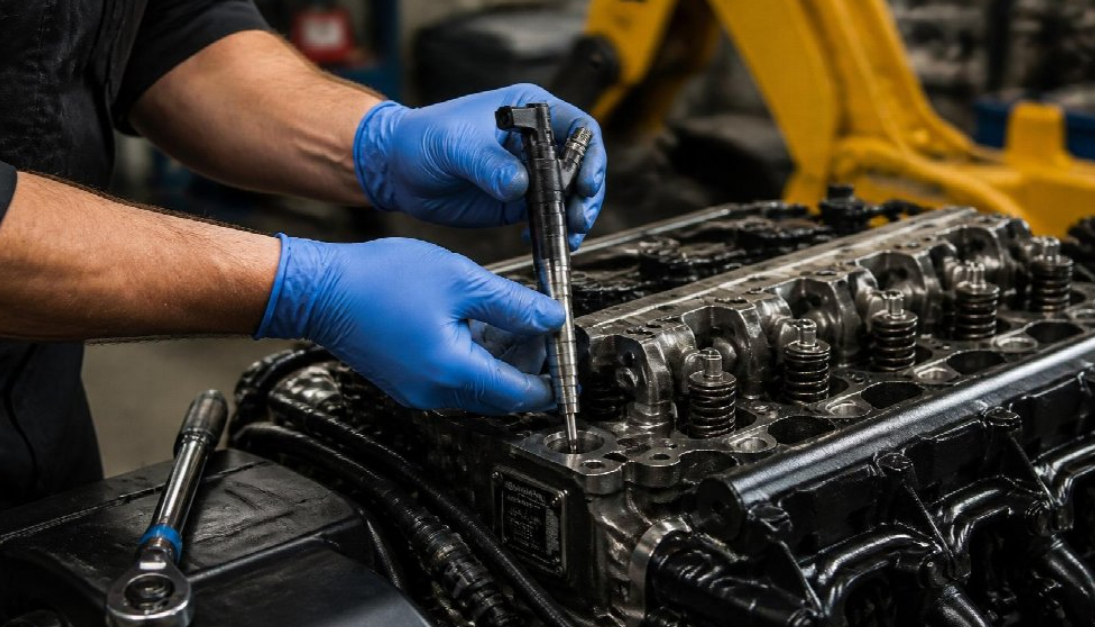
If your engine runs rough, it slows down your work and costs you money. For off-road machines, most of the time, a poorly running engine is due to a clogged or broken fuel injector. This guide helps you learn about previous warning signs and methods to fix them, helping you avoid costly issues.
7 Symptoms Of A Bad Fuel Injector
Injector problems usually show up before total failure. A worn or clogged fuel injector can affect combustion, engine response, and fuel economy.
- The engine is hard to start.
- The idle is rough or uneven.
- The machine loses power under load.
- Black, white, or gray smoke appears.
- Fuel consumption increases suddenly.
- The engine misfires or knocks.
- Fuel leaks around the injector area.
Why Do Fuel Injectors Clog?
Dirty fuel is the most common cause. Off-road machinery often works in dust, mud, heat, and vibration, so water, rust, and debris can enter the fuel system more easily.
Clogging can also come from old filters, poor fuel storage, carbon buildup, or long idle time. In diesel engines, even a small restriction can change spray pattern and reduce combustion efficiency.
How To Fix A Clogged Fuel Injector?
Start with simple checks first. Before removing parts, inspect the fuel filter, fuel tank condition, fuel lines, and water separator.
1. Check The Fuel And Filter
Bad fuel can look like an injector fault. Drain water from the separator, replace dirty filters, and inspect fuel for cloudiness, sediment, or algae.
If contamination is heavy, clean the tank and lines. Installing a new injector without cleaning the fuel system can cause the same problem again.
2. Use A Proper Injector Cleaner
A cleaning additive may help with light deposits. Use only a cleaner suitable for your engine type and follow the dosage instructions on the label.
For stronger clogging, use a professional injector cleaning tool or remove the injector for bench cleaning. Do not scrape the injector tip with wire or hard tools.
3. Test Before Replacing
Testing saves money. A return flow test, leak test, scan tool reading, or cylinder balance test can help confirm whether the injector is clogged, leaking, or electrically faulty.
How To Replace A Fuel Injector?
Replace the injector when cleaning does not solve the problem. Fuel injector replacement is also needed when the part leaks, has a damaged nozzle, fails an electrical test, or causes repeated misfires.
1. Prepare The Machine Safely
Safety comes first. Park on level ground, shut off the engine, let it cool, disconnect the battery, and relieve fuel pressure.
High-pressure diesel fuel can injure skin. Never loosen injector lines on a running common rail engine.
2. Remove The Old Injector
Clean the area before removal. Dirt around the injector bore can fall into the engine and cause serious damage.
Disconnect the electrical connector, fuel line, return line, hold-down clamp, and sealing washer. Pull the injector straight out with the correct tool if it is stuck.
3. Install The New Injector
Use the correct replacement part. Match the injector by engine model, part number, pressure rating, and connector type.
Install a new sealing washer or O-ring if required. Lightly lubricate seals with clean fuel when specified, seat the injector evenly, and tighten bolts to the proper torque.
4. Prime And Test The System
Prime the fuel system before starting. After installation, bleed air if required, reconnect the battery, start the engine, and check for leaks.
Let the machine idle, then test under light load. Watch for smoke, rough running, warning codes, and fuel odor.
What Mistakes Should You Avoid?
Avoid forcing stuck parts. Injector tips, fuel lines, and connector clips can break easily if pulled at the wrong angle.
Do not reuse damaged seals. Do not mix injector positions without noting them. Do not ignore fuel contamination. Do not run the engine if fuel is leaking.
When Should You Call A Mechanic?
Call a mechanic when the system is high-pressure common rail. You should also get help if an injector is seized, compression is low, fault codes return, or special coding is required after installation.
The rule is simple: if the repair can damage the engine or injure you, stop and get professional support.
Final Thoughts
Learning how to replace a fuel injector is a useful skill for anyone who owns off-road machinery. It saves you shop bills and keeps your machine working when you need it. Take your time, keep things clean, and follow each step carefully. With steady maintenance and quick action when problems appear, your equipment will stay dependable job after job.