LS3 Engine Buyer's Guide: What to Know Before You Swap
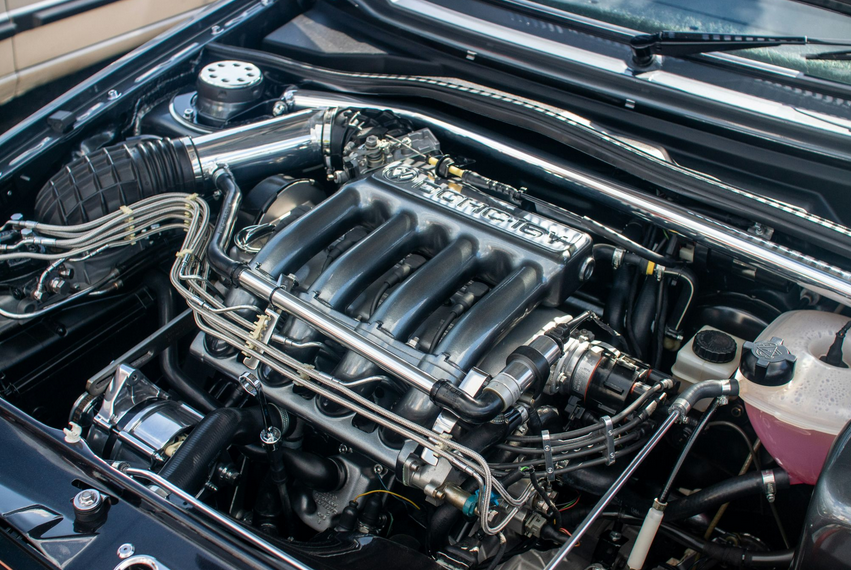
The LS3 has earned a reputation as one of the most versatile V8 crate engines available, and it now appears in builds beyond its GM roots. Commodores, Mustangs, classic Falcons, and kit cars all run LS3 power. The appeal is simple: compact packaging for its displacement, broad parts support, and a reliable factory platform.
Popularity does not make the swap simple. An LS3 crate swap touches almost every major system in a vehicle, including electronics, fuel delivery, cooling, exhaust, drivetrain, and, for Australian owners, legal compliance. Buying the engine is the easy part. Planning the build so it runs safely, passes inspection, and can be registered is where many projects slow down or exceed budget.
This crate engine swap guide focuses on the decisions to make before you spend money. It covers legality, packaging, electronics, drivetrain matching, supplier vetting, and budgeting, with an Australian lens throughout. It is not a step-by-step installation manual.
Key Takeaways
- Legal compliance comes first. Engine swaps for road use in Australia often require ADR emissions and noise compliance plus state-level engineering approval. Requirements vary by state and can change. Confirm current rules with the relevant authority before ordering parts.
- Packaging is chassis-specific. Engine bay dimensions, sump-to-crossmember clearance, and RHD steering-shaft interference all vary by vehicle. Measure and mock up before committing to headers, mounts, or a sump package.
- Electronics are not optional extras. A drive-by-wire LS3 needs a compatible pedal assembly, a calibrated ECU and harness, and sensor integration for road compliance. Verify compatibility with the controller vendor's documentation.
- Drivetrain, cooling, and exhaust all need planning. Bellhousing adapters, driveshaft length, radiator capacity, and catalytic converters for road use should be mapped out alongside the engine purchase.
- Vet your supplier carefully. Ask about package contents, warranty terms, emissions equipment, documentation, and return policies. Compare bundles by what they include, not by headline claims.
- Budget for the full project, not just the engine. ECU and harness, mounts, fabrication, tuning, engineering inspection, and contingency costs all add up. Lead times can also stretch the timeline.
What Is an LS3 Crate Engine?
A crate engine is a factory-new or remanufactured engine sold as a standalone unit for an installation project. The LS3 belongs to GM's Gen IV small-block family and is commonly offered in several forms:
- Long block: The engine itself, with heads and valvetrain, but typically without intake, exhaust manifolds, or accessories.
- Complete crate engine: Includes the intake manifold, throttle body, ignition coils, and often an accessory drive. Exact contents vary by vendor and package.
- Bundled packages: Some packages pair an engine with a transmission and control module. Contents change over time, so confirm with current OEM literature before assuming what is included.
Suppliers may label these tiers differently. Always request a full parts list before purchase so you know exactly what you are getting and what you still need to source.

Is an LS3 Right for Your Build?
Before committing to a platform, step back and ask whether the LS3 is the right fit for your specific project. The answer depends on several overlapping factors.
Street reliability vs. track goals. The LS3 is well suited to street-driven builds. It offers smooth idle behaviour, reasonable fuel economy for a large-displacement V8, and good durability with standard maintenance. If your goals lean heavily toward competition, the build becomes more complex and expensive.
Fabrication tolerance. Every chassis presents different challenges. Older Fords, for example, may require custom mounts, a rerouted steering shaft, and a different sump to clear the crossmember. If you want a simpler installation, check whether a proven swap kit exists for your vehicle before choosing the LS3 path.
Emissions and noise constraints. Australian road registration typically requires ADR compliance for emissions and noise. A carbureted or heavily modified setup may create hurdles at inspection. Plan your intake, exhaust, and catalytic converter choices around road-use requirements from the start.
Resale and insurance. A well-documented, engineer-certified swap can support resale value. A poorly documented one can make a vehicle harder to insure or sell. Keep receipts, certificates, and supplier documentation.
Alternative engines. Ford Performance offers crate engines of its own, notably the 5.0-litre Coyote and the 7.3-litre Godzilla. Each has different packaging dimensions, electronics requirements, and aftermarket support. Neither is universally better. The right choice depends on your chassis, goals, budget, and whether staying within one brand matters to you.
Pre-Swap Measurement and Packaging
A common swap mistake is buying parts before measuring the bay. An LS3 is compact for its displacement, but it still creates real packaging conflicts, especially in right-hand-drive vehicles.
Engine bay dimensions. Measure width at the narrowest point, usually at the shock towers or strut mounts, depth from firewall to radiator support, and height from the chassis rail to the underside of the bonnet.
Sump and crossmember clearance. Many factory LS3 sumps are too deep for aftermarket or factory crossmembers in non-GM chassis. Shallow or rear-sump alternatives exist, but compatibility varies by chassis. Confirm before purchasing.
RHD steering-shaft interference. In right-hand-drive cars, the steering shaft often runs through the space needed for the passenger-side exhaust header. Solutions include modified headers, relocated steering shafts, or both, but they are chassis-specific.
Brake booster and ABS clearance. The LS3's coil-near-plug ignition and valve covers sit tall. Check clearance against the brake booster, ABS module, and any firewall-mounted components.
Radiator and fan depth. Confirm that your radiator core, fan assembly, and shroud fit between the engine's accessory drive and the radiator support without fouling the bonnet latch or intercooler, if fitted.
Electronics and Fuel Strategy
The LS3 uses drive-by-wire throttle control, which means there is no mechanical throttle cable. You need a compatible pedal assembly and a correctly configured ECU and wiring harness.
ECU and harness options. You can run the factory GM controller with a modified harness or use a standalone aftermarket unit. Each approach has trade-offs in complexity, tunability, and cost. Whichever you choose, confirm compatibility and calibration procedures with the controller vendor's official documentation.
Oxygen sensors and catalytic converters. For road compliance, you will likely need functioning oxygen sensors and catalytic converters. Plan sensor bung placement and exhaust routing early so the system can be inspected and serviced.
Fuel system. The LS3 can run return-style or returnless fuel systems depending on the controller setup. Confirm fuel pressure requirements, injector compatibility, and whether your existing fuel tank and pump can supply enough volume and pressure.
Wiring best practices. Use quality grounds, shield signal wires where the harness vendor recommends it, and keep high-current wiring, such as starter and alternator wiring, separated from sensor signal wiring. A clean harness install helps prevent intermittent faults later.
Drivetrain Pairing
The engine is only half the powertrain. Transmission choice, bellhousing fitment, driveshaft length, and rear-end gearing all need to be planned as a system.
Manual vs. automatic. Both paths are well supported for LS swaps. Manual conversions typically require an adapter plate or bellhousing, a compatible clutch and flywheel, and a hydraulic release mechanism. Automatic conversions need a matching flexplate, torque converter, and, for electronically controlled transmissions, integration with the engine's ECU.
Crossmember and transmission mounts. These are often chassis-specific. Some swap-kit vendors supply them as part of a package. Others require custom fabrication.
Driveshaft. A new or modified driveshaft is almost always required. Have it measured and balanced by a driveline specialist after the engine and transmission are in their final position.
Rear-end gearing. Street manners depend heavily on the final drive ratio. A gear ratio that works well for highway cruising may feel sluggish off the line, and vice versa. Factor tyre diameter into the calculation.
Cooling, Exhaust, and Accessory Drive
Radiator capacity. Size your radiator for the expected heat load. Street-driven cars in Australian summer conditions benefit from a generous core. Consider an oil cooler and, for automatic transmissions, a transmission cooler.
Headers and exhaust. Choose headers that clear the steering shaft in RHD applications and leave space for catalytic converters. Ceramic-coated or wrapped headers can help manage under-bonnet temperatures, but clearance and serviceability still matter.
Accessory drive. The LS3's accessory drive, including the alternator, power steering pump, and air conditioning compressor, needs to clear the chassis, steering components, and brake booster. Some aftermarket accessory-drive kits reposition components for tight engine bays. Test-fit before committing.
Legal and Compliance in Australia
Engine swaps for road use in Australia typically require compliance with applicable Australian Design Rules for emissions and noise, along with engineering approval at the state level. The exact process varies by state and territory, and requirements can change.
General process, subject to your jurisdiction:
- Identify the emissions and noise rules that apply to your vehicle and modification type.
- Consult your state authority, such as Transport for NSW, VicRoads, or Queensland TMR, for current modification requirements.
- Engage a licensed automotive engineer who is accredited in your state to certify the modification.
- Prepare documentation, including receipts for the engine and major components, engine identification details, evidence of emissions equipment, and any required test results.
- Complete required inspections or tests before applying for updated registration.
Important: This guide does not constitute legal advice. Regulations change, and each state has its own interpretation and enforcement approach. Always verify directly with the relevant government authority and a licensed engineer before starting your build.
Budgeting and Timeline Realities
It is easy to underestimate the total cost of a swap. The engine itself may represent less than half the final spend. Plan for these major cost categories:
- Engine or engine package
- ECU, harness, and pedal assembly
- Engine mounts and transmission crossmember
- Headers, exhaust, and catalytic converters
- Fuel system upgrades, including pump, lines, regulator, and injectors if needed
- Cooling system, including radiator, hoses, oil cooler, and transmission cooler
- Custom or modified driveshaft
- Clutch or torque converter
- Tuning, including dyno time and tuner fees
- Engineering inspection and certification
- Contingency for fasteners, fluids, unexpected fabrication, and freight
Lead times for parts shipped to Australia can extend timelines significantly. Order long-lead items early, and avoid starting disassembly until critical components are in hand.
Tuning and Break-In
Once the engine is installed and the wiring is complete, the ECU needs a proper calibration before you drive the vehicle on the road.
Choose a tuner familiar with Gen IV controllers and, ideally, Australian emissions testing requirements. A good tuner will help ensure the base map runs cleanly, readiness monitors complete where required, cold-start behaviour is acceptable, and no check-engine lights are present.
Break-in matters. Follow the engine manufacturer's recommended break-in procedure. A conservative approach, with varied load and RPM and no sustained high RPM, protects ring seating and bearing surfaces during the early kilometres. Schedule an oil change and general inspection at the end of the break-in period.
Where to Buy and How to Vet a Seller
With multiple vendors offering LS3 crate packages in different configurations, comparing options takes deliberate effort. Ask these questions before you commit.
Package contents. Request a complete parts list. Does the price include the intake manifold, throttle body, coils, and accessory drive, or is it a long block only? Knowing exactly what is
included prevents surprise costs later.
Warranty terms. What does the warranty cover, and for how long? Does installation by a non-dealer void coverage? Get the answer in writing.
Emissions and ADR considerations. Ask whether the engine is supplied with catalytic converters, oxygen sensor bungs, and any emissions-related hardware. Some packages are intended for off-road or competition use only.
Documentation. A reputable seller should provide engine identification details, a certificate of origin or compliance where applicable, and clear invoicing that you can present during an engineering inspection.
Return policy. Understand return and restocking terms before purchase, especially for international or interstate orders.
As an Australia-based supplier example, you can find LS3 engine for sale in Australia on a page that lists LS3 crate options and supporting parts; use it to compare package details and ask about warranty, emissions compliance, and fitment before you buy, not as proof that any package suits your vehicle.
Red flags to watch for: vague or missing parts lists, unclear engine provenance, used engines sold as new or remanufactured, no written warranty, and reluctance to provide documentation suitable for engineering inspection.
Alternatives Worth Cross-Shopping
The LS3 is a strong option, but it is not the only one. Ford enthusiasts in particular should weigh at least two factory-backed alternatives.
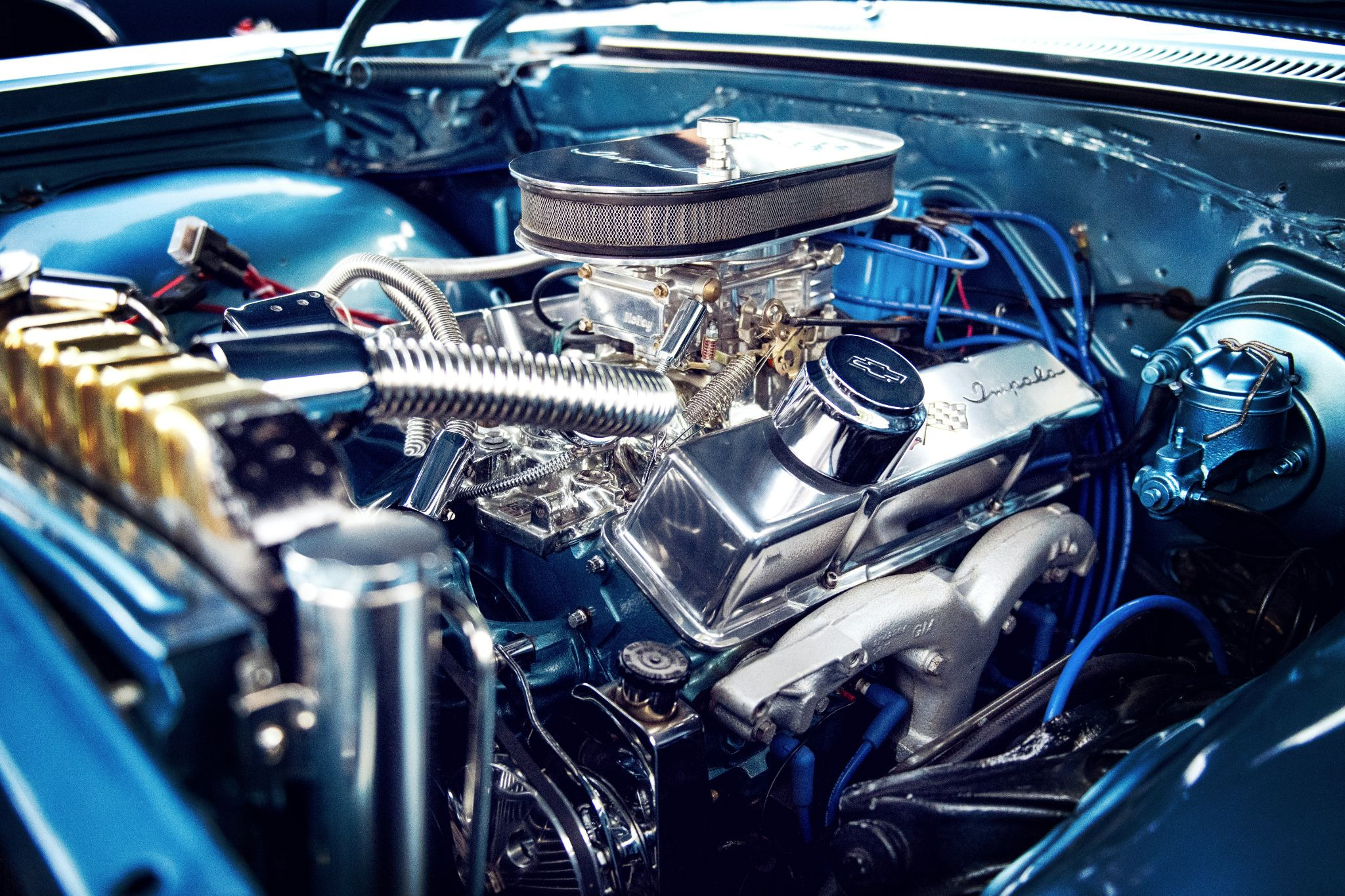
Ford 5.0 Coyote. The Coyote is a dual-overhead-cam V8 with variable valve timing. It offers strong performance in a relatively compact package, but its electronics and controller pack differ from the LS platform. Packaging can be tighter in some chassis due to the wider cylinder heads.
Ford 7.3 Godzilla. The Godzilla is a pushrod-style overhead-valve V8 with a larger physical footprint. It offers substantial low-end torque and a simpler valvetrain, but its size can create clearance challenges in smaller engine bays.
Both Ford engines have growing aftermarket and swap-kit support. Compare official Ford Performance specifications and controller-pack guidance against your chassis, goals, and budget before making a final decision.
Step-by-Step Planning Checklist
Use this sequence to keep your project on track:
- Research current regulations for your state and vehicle class.
- Measure the engine bay and identify potential interference points.
- Choose your engine, transmission, and ECU platform.
- Build a complete parts list, including mounts, exhaust, fuel, cooling, and wiring.
- Vet suppliers, compare packages, and confirm warranty and documentation.
- Order parts, then wait for critical components before starting disassembly.
- Dry-fit the engine and transmission and verify all clearances.
- Complete wiring, plumbing, and exhaust fabrication.
- Carry out first start, initial checks, and base tune.
- Complete a conservative break-in period.
- Book a professional tune and emissions verification where required.
- Complete engineering inspection and certification.
- Apply for updated registration.
Conclusion
The smartest LS3 swaps do not start with a parts order. They start with a clear understanding of legal requirements, accurate engine bay measurements, a realistic electronics and drivetrain plan, and an honest budget that accounts for the full scope of work.
Every chassis is different, every state has its own rules, and every vendor package includes slightly different contents. Verify claims with OEM documentation, consult a licensed engineer early, and check with your state authority before you begin. The planning may feel slow, but it is what separates a registered, reliable swap from a stalled project.
FAQ
These common questions can help you confirm the main planning points before speaking with suppliers, tuners, or an engineer.
Is an LS3 swap legal for road use in Australia?
It can be, but it depends on your state or territory, the age and class of your vehicle, and whether the swap meets applicable ADR emissions and noise standards. Most states require engineering approval from a licensed automotive engineer and may require additional inspections or tests. Always confirm current requirements with your state transport authority before starting.
Do I need a specific ECU and pedal for a drive-by-wire LS3?
Yes. The LS3 uses electronic throttle control, so you need a compatible accelerator pedal assembly and an ECU that supports drive-by-wire operation. The factory GM controller, standalone aftermarket units, and some integration harnesses can work, but you must confirm compatibility and calibration with the controller vendor's documentation.
How long does an LS3 swap typically take?
Timelines vary widely depending on the chassis, builder experience, parts availability, and whether a swap kit exists for the vehicle. A straightforward build with parts on hand may move quickly, while projects that need custom fabrication, engineering input, or long-lead parts can take several months.
Can I keep air conditioning and power steering with an LS3 swap?
In many cases, yes. Aftermarket accessory-drive kits can accommodate A/C compressors and power steering pumps. The key challenge is clearance: the accessory drive, compressor, and lines need to fit without fouling the chassis, steering components, or brake booster. Test-fit before finalising the setup.


.jpg)