Moving Offices Without Stopping Work: A Relocation Plan for Growing Companies

A new office is usually a sign that things are going well. The team has outgrown the old floor, the lease is ending, or clients need you somewhere easier to reach. Then someone works out what a lost week would cost, and the good news starts to look like a project risk.
Very little of the disruption comes from moving the furniture, which can travel in a weekend. It comes from the jobs nobody owned: an internet line ordered too late, a lease clause discovered in the final month, a building that only accepts deliveries before 7 a.m.
Photo: Anastasiia Krutota / Unsplash
Name One Owner and Work Backwards From the Date
Give the move to one person who has a visible budget and the authority to make decisions. A committee can advise, but someone has to be the name on every open question.
Then start with the day the team has to be working at the new address and count backwards. A small office can often manage in eight to twelve weeks. A company with several floors, on-site servers or a fit-out should allow closer to six months.
Read the Lease Before You Read the Floor Plan
Your current lease can hold the most expensive surprise of the project. Many commercial leases require tenants to return the space to its original condition, which can mean removing partitions and cabling or repainting. That work costs money and needs time on the calendar, so find out early what the landlord expects at handover and get it in writing. Check the notice dates too, and photograph the space on your way out in case the deposit is disputed.
The new building needs the same attention. Ask both property managers about freight elevator bookings, loading dock hours, floor protection and after-hours access. Many buildings will not let a moving crew through the door without a certificate of insurance naming the building, and that paperwork can take several days to arrange.
Treat IT as the Critical Path
Connectivity usually has the longest lead time of anything on the list. A business internet line can take weeks to install, and longer if the building has not been wired for your provider. Order it as soon as the lease is signed and plan for both offices to be connected for a short overlap. Keep a mobile backup ready in case the installation slips.
Cloud software has made this easier, but plenty still lives in the physical office: phone numbers that have to be ported, printers, door access systems, meeting room equipment. Back up anything held locally before it is unplugged, and label cables and equipment by destination.
Reserve the last hours before Monday for testing. Have someone log in from a sample desk in each department, print a page, join a video call and make an outside phone call. A problem found on Sunday afternoon is an inconvenience. The same problem found at 9 a.m. on Monday involves the whole company.
Use the Move to Shrink the Inventory
Every item that travels is an item you pay to move. Audit the furniture against the new floor plan before asking for quotes, and sell or donate what will not fit. Go through paper archives as well, but check your legal retention requirements before anything is shredded.
Old computers and drives need secure data wiping before they leave the company. Confidential files that are staying should travel in locked containers, with a record of who handled them.
Choose a Mover Who Has Done Offices
Moving a family and moving a fifty-desk office are different jobs. Before signing, ask:
- Have you moved offices of our size, in buildings like ours? Ask for a recent reference.
- Will you walk both sites before quoting? A quote made without a survey is an estimate of very little.
- How are you insured, and can you supply the certificate our buildings need?
- Can your crew dismantle workstations and rebuild them to our seating plan?
- Can you work evenings or weekends so the office is only closed when it would be anyway?
In the United States, it also pays to check the company's USDOT number and any license the state requires.
Local experience counts for more than most buyers expect. An office in central Boston, for example, can mean tight streets, restricted loading times and older buildings with small elevators, so commercial movers in Boston who plan around those limits and around your business hours are often worth more than the lowest quote. Raimond's Movers, which has worked in the Boston area since 2008, is one example of a firm that handles packing, furniture disassembly, transport and setup as a single job.
Tell People Early and Be Specific
Employees will want to know about their commute, parking and where they will sit, usually in that order. Share what you know as soon as the lease is signed, including what is still undecided.
As the date gets closer, replace general updates with direct instructions: pack your desk by Thursday afternoon, label your crate with your new desk number, take your laptop home on Friday. Letting people work remotely on the Friday before and the Monday after the move gives the crew and the IT team room to finish.
If the business cannot close at all, move in phases. Send back-office teams first, keep sales and customer support at the old address until the new systems have been proven, and make sure customers never need to know that anything happened.
Keep an Address Change List
Start this list early and assign each line to someone:
- Company registrations and tax authorities
- Bank, insurers and payroll provider
- Client contracts, invoice templates and supplier accounts
- Website, email signatures, Google Business Profile and online directories
- Mail forwarding from the old address
The First Week in the New Space
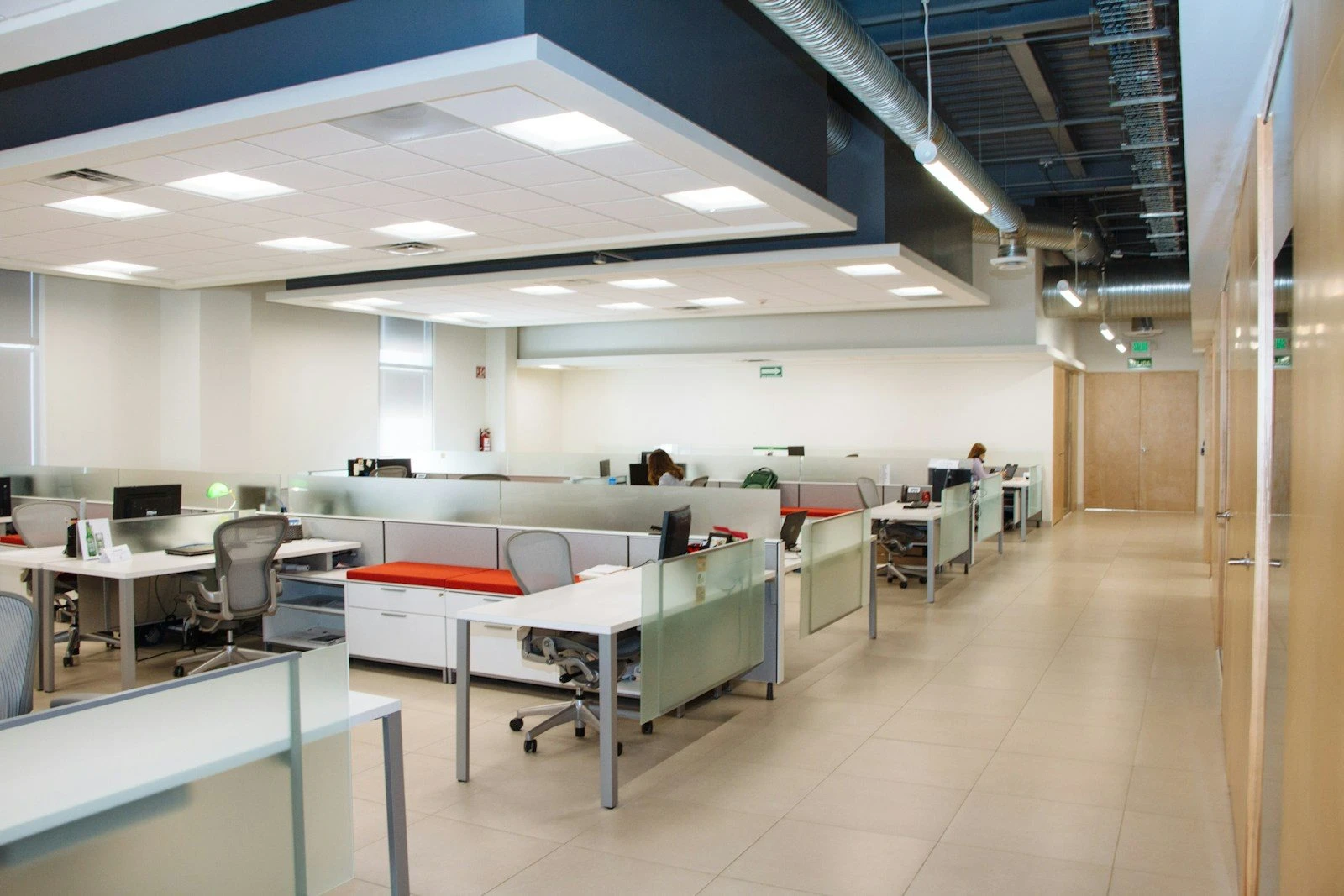
Photo: Adolfo Félix / Unsplash
Keep someone on site with a tool kit and a shared snag list for the first few days. Inspect furniture and equipment promptly, and check your mover's contract for the deadline on damage claims.
Two weeks later, ask the team what is not working. Seating plans look tidy on paper, and the real problems, from a noisy corner to a meeting room that is always double-booked, only show up once people are in the space. Fixing them early is a cheap way to make sure the new office delivers what you moved for.