Proving Negligence in Rear-End Car Accident Cases in Seattle, WA
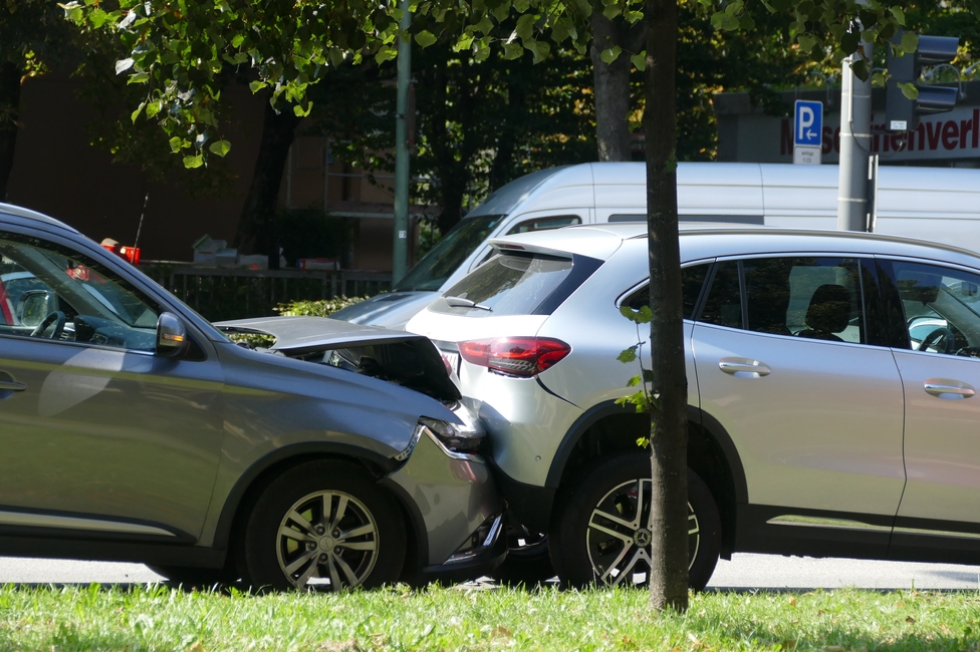
A rear-end collision often looks simple from the outside.
One vehicle strikes another from behind, and many people immediately decide who is responsible. The reality is usually more complicated. Insurance companies, investigators, and legal professionals rarely rely on assumptions alone. They look at driver behavior, road conditions, vehicle damage, and the events leading up to the crash. Even a few seconds before impact can change how responsibility is viewed.
This detailed review becomes especially important in rear-end car accident cases in Seattle, where traffic congestion, rainy weather, busy intersections, and sudden slowdowns can all affect what happens on the road.
Why Rear-End Accidents Create an Immediate Assumption About Fault
Most drivers have heard that the rear driver is almost always responsible for a rear-end crash. That belief exists because drivers are generally expected to leave enough space to stop safely if traffic changes ahead.
While this assumption may be a starting point, it is not the final answer. Facts must support negligence. Investigators still examine the circumstances of the crash before reaching conclusions. Every collision has unique details that deserve attention.
The Seconds Before Impact Usually Matter More Than the Impact Itself
The crash itself may last only a moment, but investigators often spend more time studying what happened before the collision.
They may review traffic flow, vehicle speed, braking activity, and driver reactions. A driver who had enough time to avoid a collision may be viewed differently from a driver who encountered a sudden and unexpected hazard.
Because of this, the timeline before impact often becomes one of the most important parts of proving negligence.
Following Distance Becomes a Major Part of the Investigation
The following distance is frequently discussed in rear-end accident cases.
Drivers are expected to maintain enough space between vehicles to react safely. The required distance can change based on traffic, weather, visibility, and speed. A gap that seems reasonable on a clear day may not be sufficient during heavy rain.
Investigators often ask whether the rear driver had enough room to stop safely. If the answer is no, that fact may become an important part of the negligence analysis.
The Front Driver Is Not Always a Passive Participant
Although the rear driver often receives the most attention, investigators may also review the actions of the front driver.
Sudden Stops and Unexpected Maneuvers
Traffic sometimes requires quick stops, but unusual driving behavior can still raise questions. A sudden stop without a clear reason may become part of the investigation.
The goal is not to blame every front driver. Instead, investigators try to determine whether the actions of either driver contributed to the collision.
Vehicle Equipment Problems
Mechanical issues can also affect how a crash is evaluated. Brake lights help drivers understand what is happening ahead. If those lights fail to work properly, drivers behind may receive less warning.
Equipment problems do not automatically determine fault, but they may become one factor among many.
A Rear-End Crash Leaves Behind a Physical Timeline
The accident scene often contains valuable information long after the vehicles stop moving.
Damage patterns can show how force was transferred during impact. Debris may help identify where the collision occurred. Vehicle positions can reveal how traffic was moving before the crash.
Photographs taken shortly after the accident often preserve details that later disappear. In many situations, reviewing crash reports alongside physical evidence helps investigators develop a clearer understanding of the event.
Why Conflicting Driver Statements Are Common
People rarely experience an accident in the same way.
Stress, fear, and surprise can influence memory. One driver may believe traffic stopped instantly, while another remembers a gradual slowdown. These differences do not always mean someone is being dishonest.
Because memories can vary, investigators compare statements with other evidence. Witness accounts, photographs, and physical findings often help verify important details.
How Seattle Road Conditions Can Influence a Negligence Analysis
Seattle drivers frequently encounter rain, heavy traffic, and crowded roadways. These conditions affect visibility and stopping distance.
A driver who follows another vehicle too closely during wet weather may have less time to react. Road conditions do not excuse careless behavior, but they often provide important context for understanding why a collision occurred.
This is one reason investigators carefully examine local conditions rather than focusing only on the impact itself.
Conclusion
Negligence is rarely proven through a single piece of evidence. Instead, investigators gather information from many different sources and compare how those facts fit together.
Careful documentation collected early often prevents important facts from being overlooked later on.
Vehicle damage, witness observations, driver actions, roadway conditions, and digital records all contribute to the larger picture. In rear-end car accident cases in Seattle, proving negligence often requires patience and careful analysis. Looking beyond assumptions allows investigators to understand not only who was involved, but also why the collision happened and whether reasonable care was exercised by everyone on the road.