Small Business Growth Starts With Strong Financial Foundations

Most small business owners throw everything they've got into their product or service. And quietly, sometimes dangerously, they let the financial systems underneath start to crack. Cash flow shocks, murky profit margins, and zero reserves sitting in the bank. That's not just stressful. That's the kind of thing that ends businesses. According to recent data, 43% of small businesses ran into cash flow problems last year, and 51% are carrying less than one month of cash reserves. Here's the truth: strong small business financial planning isn't a nice-to-have. It's survival.
Essential Elements of Strong Small Business Financial Foundations
You can't build something lasting on a shaky base. Getting your financial foundations for a small business right means being deliberate about structure, documentation, and who's in your corner before the cracks show up.
Steps to Building Bulletproof Financial Foundations for Small Business
Your business structure, LLC, S-corp, or sole proprietorship isn't just paperwork. It shapes your tax bill and your personal liability exposure. Don't pick one because your cousin did. Get real advice early, from someone who actually knows your situation.
Separating personal and business finances? Non-negotiable. Mixing the two doesn't just give your accountant a migraine; it can legally strip away the protections you set up in the first place.
A lot of owners turn to bookkeeping services for small business because maintaining accurate, current financial records is genuinely hard to do when you're also trying to run the actual business. Cloud tools like QuickBooks or Xero help, too, but having the right support underneath everything? That's what makes the difference.
Must-Have Financial Documents for Small Business Stability
Your cash flow statement, profit and loss report, balance sheet, and break-even analysis aren't just files for your accountant to squint at. They're your decision-making toolkit. Review them regularly, and you'll catch problems weeks before they spiral.
They answer the questions that actually matter. Are we profitable? Which months historically fall flat? Can we afford to bring someone on?
Benefits of Outsourcing Bookkeeping Services for Small Businesses
Here's something that surprises a lot of owners: the advantages of using bookkeeping services for small businesses through outsourced accounting firms are genuinely significant. Businesses often save 40–60% on finance operations, gain higher accuracy, access more specialized expertise, and get real-time visibility into their numbers. That's not a minor perk. That's a structural advantage that compounds over time.
Professional bookkeepers catch the errors DIY owners routinely miss, and tools such as a receipt maker can further simplify day-to-day record keeping by helping you create organized documentation for business transactions. Together, these solutions hand back hours every week that you can put toward actually growing your revenue.
Now that your foundation is solid, it's time to shift gears from stability to strategy.
Advanced Small Business Financial Planning for Next-Level Growth
Small business financial planning at the advanced level means thinking ahead. Not just tallying up what already happened.
Growth-Ready Budgeting Techniques for Small Business Owners
Real budgets account for seasonal reality. A landscaping company shouldn't budget January like July, that's just setting yourself up to panic. Many owners are now using AI-driven forecasting tools to anticipate revenue dips and spikes with surprising accuracy.
Budgeting for growth also means carving out funds for hiring, equipment, or expanded services before those needs become urgent and expensive.
Integrated Planning: Aligning Financial Goals with Business Objectives
Start with a revenue target. Then work backward. What monthly volume gets you there? What conversion rate supports that? Reverse engineering your numbers makes the path concrete rather than abstract.
Short-term cash flow projections should always connect to longer-term goals. Otherwise, you're just watching numbers with no destination in mind.
Strategic Use of Emergency Funds and Reserves
A solid rule of thumb: three to six months of operating expenses in reserve. That buffer keeps you sane through a slow quarter, an unexpected equipment failure, or a client who pays late again.
Building reserves feels painfully slow at first. But businesses that maintain them tend to last longer. And when pressure hits, they make better decisions instead of desperate ones.
Maximizing Profitability Through Smarter Financial Management
Every smart pricing decision and every dollar saved adds up. Managing finances for a small business isn't just bookkeeping; it's profit protection, done consistently.
Profit Optimization Techniques for Sustainable Business Growth
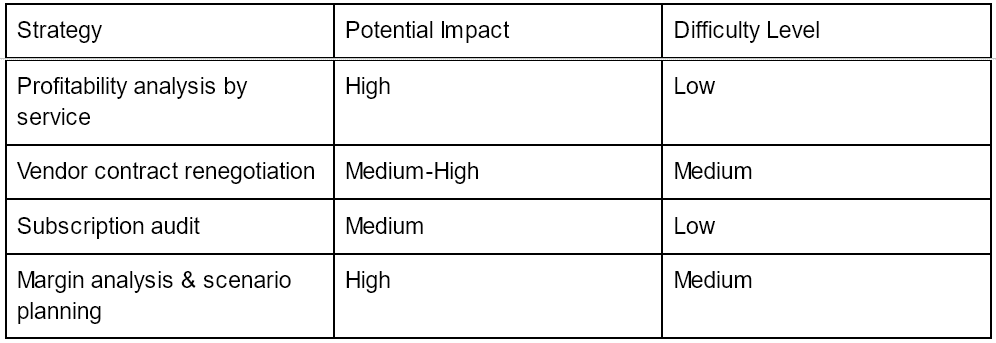
Your bookkeeping data shows you which clients, products, or services actually drive margin. Most owners don't look closely enough. A simple profitability report broken down by service line can completely reorient where you spend your time.
Cost reduction doesn't mean cutting quality. Auditing software subscriptions, renegotiating vendor contracts, and trimming redundant tools that can shave thousands per year with zero impact on the customer experience.
Tax Strategies Every Growing Small Business Should Implement
Proactive tax planning, not scrambling at year-end, keeps more money where it belongs: in your business. Track deductibles throughout the year, contribute to retirement accounts, and review your structure annually for tax efficiency.
A tax-savvy accountant who actually knows your industry often pays for themselves many times over. Especially as you scale.
Modern Small Business Growth Strategies Backed by Data
The most successful small businesses today treat real-time financial data as a competitive edge, not just a reporting obligation.
Harnessing Real-Time Financial Data to Drive Smart Decisions
Weekly KPI reviews beat monthly surprises every single time. Growth-minded owners typically track gross margin, accounts receivable aging, monthly recurring revenue, and cash runway every week, not every quarter.
Automated dashboards make this practical. Live data pulled straight from your accounting software means you're never guessing.
Financing Smart: Innovative Funding Paths for 2024 and Beyond
Revenue-based financing, fintech credit lines, and crowdfunding have opened doors that traditional bank loans kept firmly shut. Faster approvals, more flexible repayment structures, the options are genuinely broader now.
Whatever path you go down, clean financials dramatically improve your approval odds. Lenders want organized records, realistic projections, and healthy cash flow trends. Give them that.
Leveraging Bookkeeping Services for Small Business Growth
If you're expanding into new markets or adding service lines, [bookkeeping services for small business do more than maintain current records, they generate the accurate, timely financial information you need to manage growing complexity confidently. That reliable data becomes the foundation every smart expansion decision rests on.
Digital Transformation and AI for Financial Efficiency
Adopting FinTech Tools to Simplify Managing Finances for Small Businesses
Mobile expense trackers, cloud ledgers, and automated bank reconciliation have made managing finances for small businesses genuinely accessible, even for owners without accounting backgrounds. Less manual entry. Fewer errors. Hours back in your week.
AI forecasting tools now project cash flow trends from historical patterns, so you're preparing instead of reacting.
Cybersecurity and Fraud Prevention in Small Business Finances
Digital tools carry real risks. Use multi-factor authentication across every financial account. Limit employee access to sensitive systems. Review account activity weekly. Secure payment processors protect both your revenue and your customers' trust. Don't treat this as optional.
Action Plan to Improve Small Business Profitability Year-Round
Repeatable financial routines are how strong businesses stay consistent, not just in good quarters, but across the board.
Monthly, Quarterly, and Annual Financial Health Checklists
Monthly: reconcile accounts, review cash flow, and check outstanding invoices. Quarterly: compare budget to actuals, assess tax estimates, review KPIs. Annually: audit vendors, refresh financial projections, and revisit your business structure.
Free downloadable checklists from SBA and SCORE make these routines easy to stick to.
Continuous Learning: Financial Literacy Resources for Small Businesses
Podcasts like How to Money and The EntreLeadership Podcast tackle real finance topics in plain language. SCORE webinars, local SBDC workshops, and Coursera structured learning without a steep price tag.
Staying current isn't optional. It's a genuine edge.
Connecting with Growth Partners Mentors, Advisors, and Networks
Habits matter. But the people around you compound everything.
Building a Financial Success Network
When choosing [bookkeeping services for small business, look for industry familiarity, transparent pricing, and a communication style that's actually proactive, not reactive. The right partner doesn't just support you. They push your growth forward.
SCORE mentors, local chambers of commerce, and industry peer groups give you access to hard-won experience no textbook covers. These relationships surface funding leads, vendor referrals, and strategic clarity that's genuinely hard to find anywhere else.
Common Questions Small Business Owners Ask About Financial Growth
Which financial mistakes sabotage small business growth most often?
Mixing personal and business accounts, skipping cash flow forecasting, and ignoring quarterly tax planning. Each one compounds and gets significantly harder to untangle later.
What tools help small businesses manage finances with limited staff?
QuickBooks, Wave, and FreshBooks handle core needs affordably. Pair them with automated expense tracking to cut manual entry and redirect time toward growth.
Which KPIs do successful small business owners monitor for profitability?
Gross profit margin, net profit margin, accounts receivable aging, and monthly cash burn rate are tracked consistently by owners who want to catch problems early.
How do you decide between DIY and professional bookkeeping?
If it's eating more than five hours a month or errors keep showing up, professional services typically pay for themselves fast. Accuracy and time savings alone usually justify the cost.
What are the latest fintech trends helping small businesses in 2024?
Revenue-based financing, AI-powered cash flow forecasting, and automated reconciliation. Less manual work, more real-time visibility.
Final Thoughts: Build the Foundation, Then Build the Business
Strong small business growth strategies don't start with your next marketing campaign or your next hire. They start with financial clarity, the kind that makes every other decision sharper. By prioritizing financial foundations for small businesses, applying real small business financial planning, consistently managing finances for small businesses, and finding smart ways to improve small business profitability, you stop guessing and start building something that lasts. Your finances aren't a back-office burden. They're the engine behind every goal you've ever written down. Start there and build everything else on top.