Smart Inventory Management Strategies for Scaling E-Commerce Startups

The Australian e-commerce landscape is expanding at an unprecedented rate. Consumers spent a record $69 billion online in 2024, a figure that continues to put immense pressure on domestic retail supply chains. The momentum shows no signs of slowing down across key sectors like fashion, electronics, and home goods. In fact, official figures from the Australian Bureau of Statistics report that total retail turnover rose 4.9% through the year to June 2025. For scaling online retailers, this robust consumer demand is a double-edged sword. While sales figures are climbing rapidly during peak shopping events, the physical reality of housing, organising, and dispatching an expanding product range presents a significant operational hurdle.
Rapid growth often tricks young companies into overcommitting. Founders frequently assume that a sudden surge in online orders necessitates signing a massive, long-term commercial warehouse lease when a scalable off-site storage solution would be more effective. However, taking on excessive space too early can severely drain capital, trapping funds that could otherwise be invested in marketing, product development, or customer acquisition.
Navigating the Commercial Real Estate Bottleneck
The current state of Australia's industrial property market makes traditional expansion highly risky. National industrial and logistics vacancy rates hovered at a critically low 3.2% in early 2026. In highly constrained regional markets like Perth and Sydney, vacancies dropped as low as 1.0% due to ongoing supply constraints and a lack of available land. Consequently, the cost of leasing premium commercial warehouse space has skyrocketed across the country. With property developers scaling back speculative builds, businesses are often forced to secure oversized, rigid leases years in advance.
Rather than falling into this expensive and inflexible trap, growing enterprises must pivot. Knowing exactly when flexible warehousing makes sense for changing business needs allows your team to scale your operational footprint in tandem with peak seasons, avoiding severe financial strain. Bypassing restrictive leases requires a shift toward agile logistics. Modern supply chain leaders are abandoning the old model of centralising everything under one massive roof. Instead, they are actively decoupling their fast-moving fulfilment operations from their slow-moving surplus stock to maximise efficiency.
Decoupling Fulfilment from Excess Inventory
To circumvent skyrocketing commercial rents, many Australian operators are transitioning to micro-fulfilment centres. These compact, technology-enabled suburban hubs place fast-moving stock closer to the end consumer, drastically cutting last-mile delivery times and reducing freight overheads. However, these smaller, premium-priced hubs lack the physical capacity to hold massive pallets of seasonal goods or bulk imports.
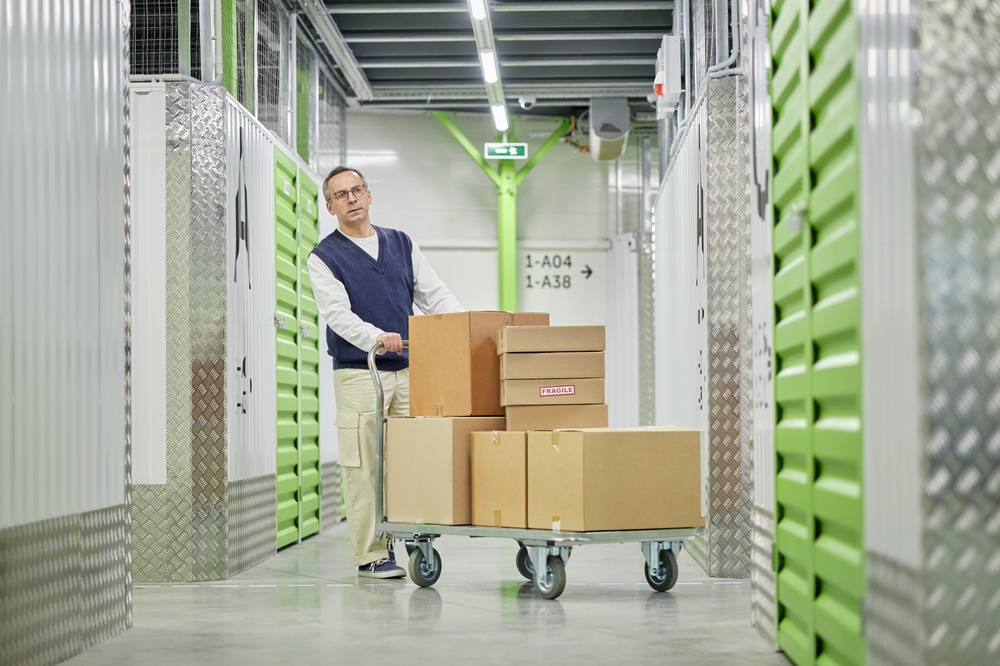
To solve this space constraint, e-commerce startups are leveraging secure commercial units for their buffer inventory and archived materials. By housing excess goods in a separate, highly scalable facility, brands can keep their primary workspace highly efficient and entirely dedicated to active picking and packing. This strategic separation of active stock and buffer stock creates immediate and noticeable cost savings. It empowers mid-sized brands to seamlessly handle unpredictable holiday volume surges, promotional peaks, or global supply chain delays without carrying the heavy financial burden of a permanent, oversized facility all year round.
Actionable Tactics for Lean Operations
Physical space is only half the equation for a growing digital brand. To truly scale an e-commerce startup in 2026, founders must integrate advanced digital visibility with their physical footprint. By adopting a lean methodology across both software and physical infrastructure, companies can lower freight and overhead costs substantially. Consider implementing the following strategies to modernise your inventory management framework:
- Adopt AI-driven forecasting: Industry forecasts estimated that 70% of logistics providers would implement artificial intelligence by 2026. These predictive tools enhance supply chain resilience by proactively routing freight and forecasting seasonal demand trends, which helps managers minimise costly overstocking scenarios.
- Transition to real-time synchronisation: Modern consumers expect absolute accuracy when browsing online stores. E-commerce platforms must sync stock levels instantly across all sales channels, including social media storefronts and independent websites. Traditional batch updates and end-of-day stock reconciliations are no longer sufficient to prevent frustrating overselling incidents.
- Prioritise sustainable logistics: Supply chain sustainability is now a core business requirement rather than an optional marketing tactic. With 64% of Australian businesses initiating carbon reduction projects in 2025, preparing for strict mandatory climate disclosures is essential. Consolidating shipments and utilising decentralised warehousing networks can significantly reduce your corporate carbon footprint.
Ultimately, successfully scaling an e-commerce business requires a delicate balance of physical flexibility and digital precision. By refusing to lock into oversized commercial leases and embracing decentralised inventory models, startups can fiercely protect their profit margins. Adapting to the modern retail environment means staying nimble, keeping operational overheads as low as possible, and ensuring that every single square metre of leased space actively contributes to your bottom line.